
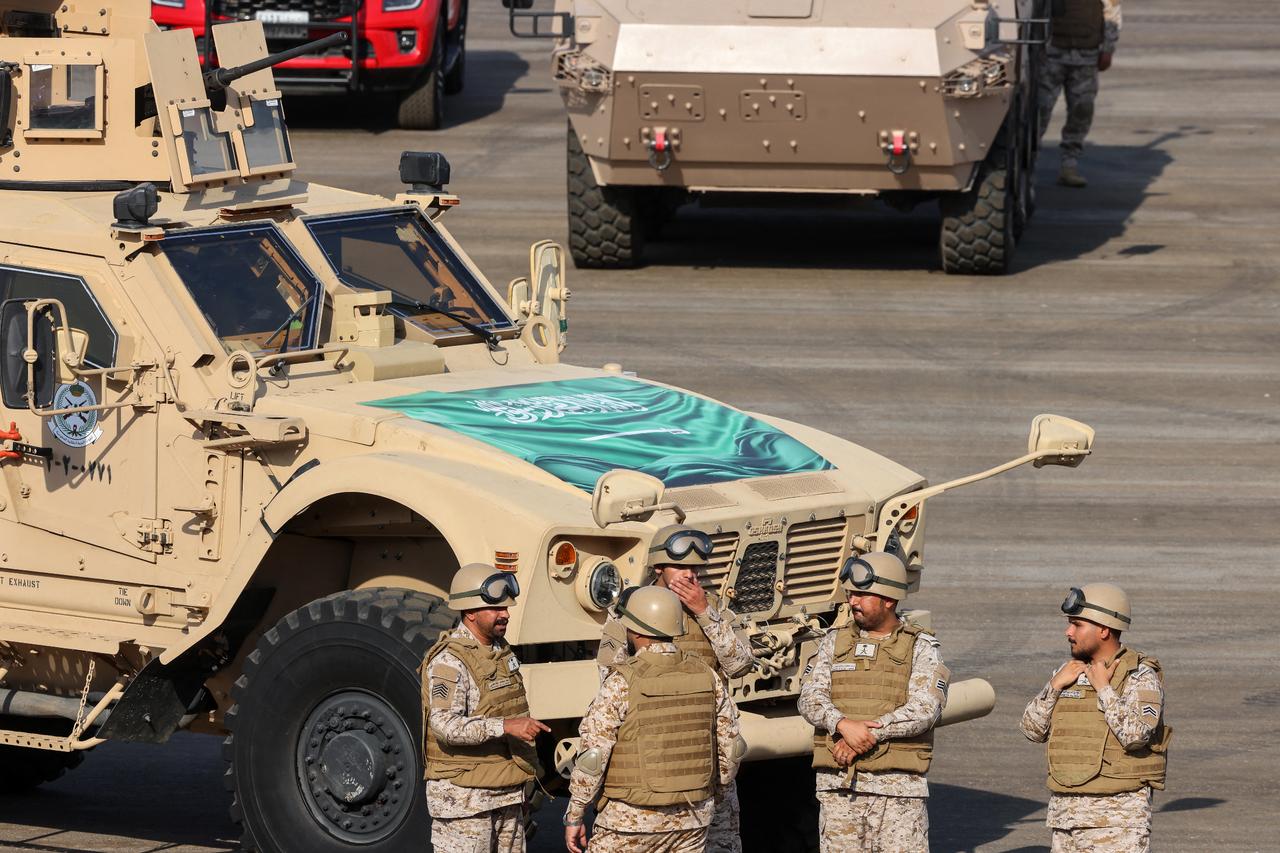
Saudi Arabia is gearing up for a significant military campaign against Yemen’s Houthi rebels, who are supported by Iran. This action is aimed at regaining control of the strategically vital Bab el-Mandeb Strait. Reports indicate that preparations are well underway, with Turkish drones and military equipment from Pakistan being utilized as part of the offensive strategy. Diplomatic sources suggest that this operation is crucial for Saudi Arabia’s future negotiations concerning Yemen.
Strategic Plans for the Offensive
The anticipated operation is expected to commence in the coming weeks, featuring Yemeni ground forces under Saudi oversight, with aerial support provided by Saudi forces. Estimates suggest that more than 100,000 Yemeni troops could potentially be mobilized for this engagement, depending on the scale of the operation. The Bab el-Mandeb Strait serves as a key alternative transport route amidst tensions in the Strait of Hormuz, compelling Riyadh to undertake military measures while the Houthis maintain control over critical maritime routes.
Western diplomats confirm that Saudi Arabia believes entering peace discussions is unfeasible while facing Houthi control of the strait. To reclaim this strategic channel, two operational strategies are being considered: a limited attack focused around Bab el-Mandeb or a more extensive campaign that would involve synchronized efforts across various Yemeni governorates such as al-Bayda, Marib, Taiz, and al-Jawf. Timing for the launch remains uncertain, with speculations that it may occur within a week or after the U.S. midterm elections in early November.
International Military Support and Resources
In the context of this forthcoming operation, both Turkey and Pakistan have stepped up their military engagements with Saudi Arabia. Türkiye has provided advanced drones previously purchased by Riyadh, which are currently operational over Yemen. On the other hand, Pakistan has delivered significant military hardware, sending four cargo flights containing air defense systems, drones, and artillery to support the Saudi initiative. Furthermore, Pakistani military advisers have been deployed on the ground in Yemen, although the country has not committed to sending combat troops.
The United States is also indirectly involved, offering critical intelligence and targeting information to assist Saudi operations. While President Trump has been hesitant about authorizing direct airstrikes, ongoing discussions may influence his decision-making. France is contributing with defensive systems to safeguard areas like the Saudi port of Yanbu, while calls for increased EU naval presence to protect shipping in the Red Sea continue amid rising tensions.
Future Cooperation Among Allies
The trilateral agreement among Saudi Arabia, Turkey, and Pakistan, forged under the Mecca Joint Defense Agreement, emphasizes mutual defense and regional stability. Pakistani Foreign Minister Ishaq Dar announced plans for an immediate meeting of the agreement’s Strategic Political Defense Committee to discuss cooperative strategies among the three nations. The pact aims to foster collective security, with the understanding that any attack on one member would be viewed as an attack on all.
Crown Prince Mohammed bin Salman remarked that this alliance is essential for managing regional challenges and ensuring that threats to security are met with a strong response. The ongoing cooperation with Türkiye and Pakistan underscores a shared commitment to addressing security issues within and beyond Yemen’s borders and showcases a significant shift in Middle Eastern military alignments amidst complex geopolitical dynamics.