
The ongoing geopolitical tensions in the Middle East are having significant repercussions on global oil markets. In recent developments, Saudi Arabia has adjusted its oil export strategies by transferring crude oil between ships near the port of Sohar in Oman. This pivot aims to facilitate swift transportation to refineries across Asia, a shift that has coincided with a notable drop in oil prices.
Current Oil Prices Respond to Geopolitical Shifts
As of the latest trading updates, Brent crude futures are facing a decline of $2.92, equating to a 2.7% decrease, and are currently valued at $105.83 per barrel. Similarly, U.S. West Texas Intermediate crude futures fell by $3.32, which represents a 3.1% drop, placing them at $102.51 per barrel. Notably, a decrease in U.S. crude inventories has also contributed to this downward trend in oil prices. In contrast, the Financial Times has pointed out that crude prices in China have surged, reaching an all-time high last week. Shanghai crude futures traded at $129 a barrel, surpassing the previous peak prompted by the Iran conflict.
Impact of Attacks on Oil Transport and Infrastructure
The volatility in oil pricing is closely tied to disruptions in Saudi oil operations. Reports indicate that crude loadings at the Red Sea port of Yanbu are currently suspended due to recent assaults on the East-West pipeline, which historically served as a crucial conduit around the Strait of Hormuz. In a climate where pro-Iranian militias continue to deny their involvement, U.S. officials have shifted their focus to implicate Iran directly in these incidents. The Saudi Arabian government is reportedly grappling with a diminishing stockpile of interceptor missiles, prompting requests for air defense support from allies including France, Britain, Pakistan, and Egypt.
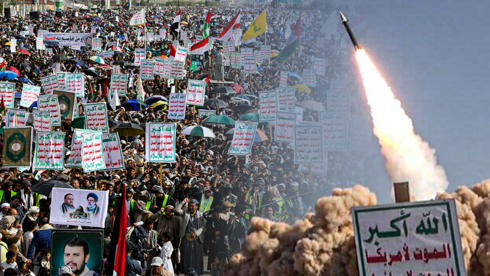
Additionally, the Houthis’ control of a strategic stretch along the Red Sea coastline raises global concerns, especially regarding the Bab el-Mandeb Strait, a critical maritime route. As Saudi Arabia’s military actions against the Houthis escalate, the situation becomes increasingly precarious, necessitating heightened international attention.
Potential Diplomatic Developments
Recent meetings between U.S. officials and Houthi representatives in Oman hinted at a potential easing of tensions. The Houthis indicated that they may refrain from targeting U.S. vessels transiting the Bab el-Mandeb Strait, citing commitments to a ceasefire established in 2025. Furthermore, the rebels asserted they would allow transit for non-Saudi commercial vessels, demonstrating a complex interplay of military posturing and diplomatic overtures.
In another concerning development, the Houthis claimed to have shot down an F-15 fighter jet belonging to the Saudi-led coalition. While they provided no evidence for this claim, they did release imagery of another downed reconnaissance drone, emphasizing the military’s ongoing capabilities in the region.
Long-Term Implications for the Region
The Yemeni conflict, which has already claimed over 100,000 lives since its inception, indicates no signs of resolution, especially after recent escalations in hostilities. The allied military campaign against the Houthis led to a historical blockade of Yemeni ports, which has fueled further retaliation from the rebel group.
As Saudi Arabia grapples with the impact of these escalating conflicts on its oil supply chains and prices, regional stability hangs in the balance. Continued volatility in the oil sector is anticipated as international players continue to navigate this highly charged environment. Absent a sustainable diplomatic resolution, the potential for renewed conflict seems ever-present, emphasizing the urgent necessity for dialogue in the region.