
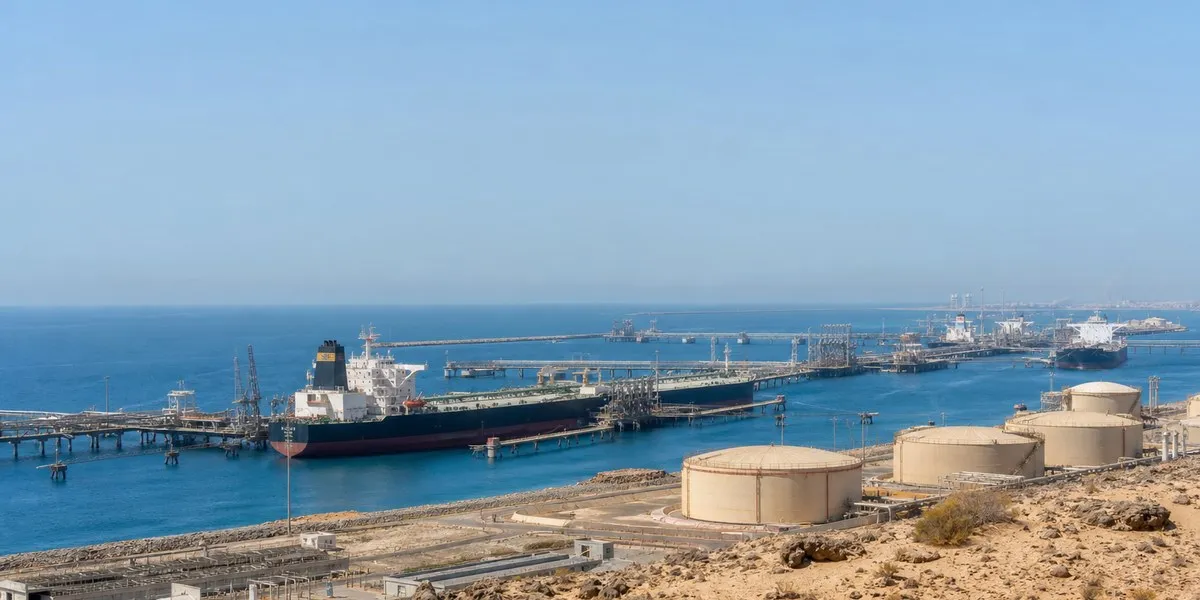
Saudi Arabia has restarted crude oil loadings at the Yanbu port on the Red Sea following a partial repair of the East-West pipeline. This development is crucial for the nation’s oil export capabilities, particularly after recent disruptions caused by drone attacks.
Pipeline Restoration and Its Impacts
Following drone strikes on September 10, which targeted pumping stations, Saudi Arabia halted operations on the East-West pipeline for two weeks. This critical pipeline serves as a strategic route, enabling oil exports to bypass the precarious Strait of Hormuz. After a partial restoration last Thursday, oil loading operations at Yanbu have recommenced. However, full capacity—approximately 4 million barrels per day—will likely take several weeks to achieve.
Since last week, the Yanbu port and the Al-Muajjiz terminal have been actively loading oil again. Recent reports indicate that loading volumes at Yanbu have stabilized at about 2 million barrels per day. These developments are essential as they contribute to restoring Saudi Arabia’s oil export capacity and serve as a vital resource for global markets.
Current Shipping Activity at Yanbu
On Monday evening, Saudi Aramco updated its customers regarding the October loading schedule at Yanbu. According to reports, satellite imagery has confirmed that nearly 10 million barrels of oil are currently being loaded at the Yanbu and Al-Muajjiz terminals. Additionally, approximately 40 tankers have been identified in proximity to these locations.
By September’s end, Middle Eastern crude oil exports had rebounded to around 12.8 million barrels per day, as estimated by Kpler. During the shutdown of the East-West pipeline, Saudi Aramco resorted to loading oil via ship-to-ship transfers in the Gulf of Oman, showcasing the company’s agility in managing unforeseen challenges.
Future Considerations Amid Threats
The resumption of oil shipments through Yanbu is anticipated to enhance the global oil supply significantly. However, this activity comes with caveats. The persistent threats from Houthi forces against Saudi tankers in the Red Sea remain a considerable concern. These geopolitical risks could impede smooth operations and impact market stability.
As Saudi Arabia navigates these complexities, the implications of its oil loading activities extend beyond national borders, influencing global oil prices and economic conditions. Close monitoring of the situation is vital for stakeholders in the oil industry, as any fluctuations can have widespread ramifications.
In conclusion, the partial restoration of the East-West pipeline and the resumption of operations at Yanbu mark a significant milestone for Saudi Arabia’s oil export strategy. The nation’s ability to adapt amidst threats and disruptions will not only showcase its resilience but also determine its influence on the global oil market.