
Saudi Arabia is currently facing a significant challenge as it experiences a tense standoff with the Houthi militia, which aligns itself with Iran. This situation has become increasingly intricate, particularly after the United States declined to offer military assistance to protect Saudi Arabia’s essential maritime trade route with Asia. Analysts in the region highlight that the refusal of the U.S. to intervene may create a “humiliating dilemma” for Saudi leadership, who are left to navigate these escalating tensions alone.
Houthi Threat to Saudi Interests
The Houthi militia’s recent control over Yemen’s entire Red Sea coast poses considerable risks to Saudi Arabia. U.S. President Donald Trump’s remarks dismissing the situation as a concern limited to one nation have raised eyebrows among Saudi officials. The Houthis’ actions are seen as a potential threat not only to Saudi maritime trade but also to the stability of the region as a whole. This ongoing blockade increases the pressure on the Kingdom, which has already faced significant interruptions to its main oil export channels due to the persistent strife fueled by Iran.
Concern Among Saudi Officials
Michael Ratney, a former U.S. ambassador to Saudi Arabia, expressed that this lack of support from Washington has significantly disturbed the Saudi leadership. He described the situation as “deeply frustrating,” indicating that Riyadh relies heavily on the U.S. for both diplomatic and military support. The abandonment of military intervention from the world’s leading superpower leaves Saudi Arabia questioning its own security and foreign policy strategies, leading to a complicated and precarious position in the region.
Impact on Saudi Oil Exports
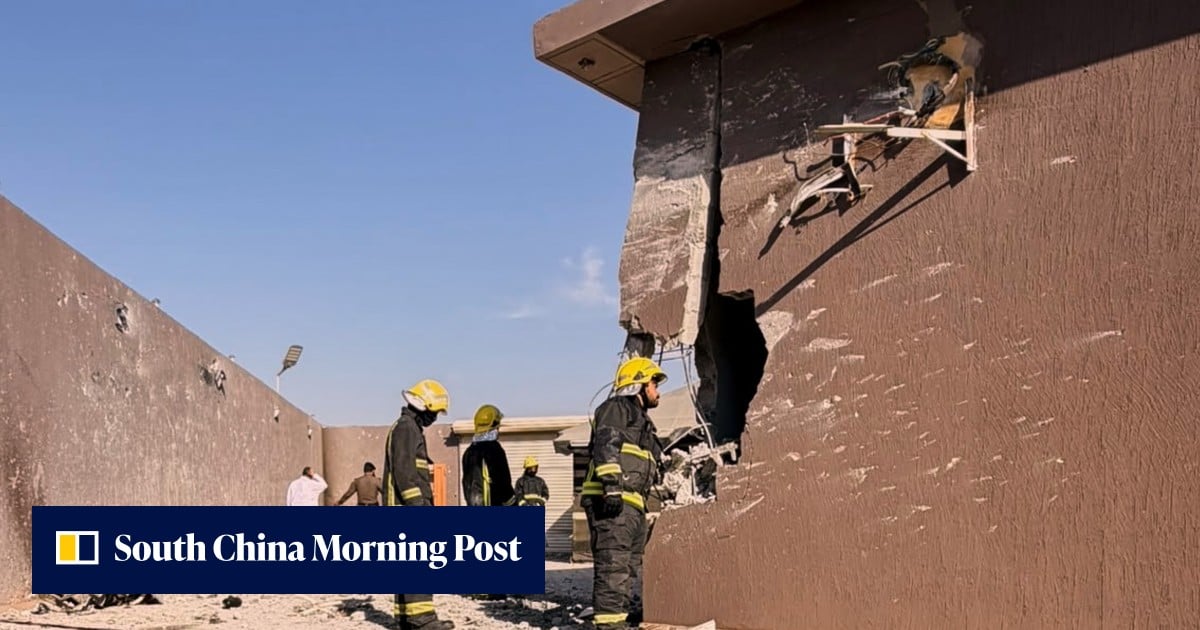
In a rapid escalation of events, the same day Trump downplayed the significance of the Houthi seizure, Saudi oil exports from the Red Sea were halted. Drone attacks by Iran-affiliated Iraqi militias inflicted severe damage on an east-west pipeline, disrupting Saudi oil exports and highlighting the vulnerability of the Kingdom’s infrastructure. Since the onset of hostilities related to the conflict with Iran, such interruptions pose a substantial risk to the stability of international oil markets and can have significant economic repercussions for Saudi Arabia.
The Broader Regional Implications
The implications of the Hushti blockade and the U.S. response extend beyond just Saudi Arabia. If left unchecked, the heightened tensions could lead to a larger conflict in the region, aggravating relationships among major powers influenced by Middle Eastern geopolitical dynamics. For instance, the blockade of vital shipping lanes could also impact global oil prices, affecting economies far beyond the Middle East. As the Saudi leadership grapples with these challenges, the potential for escalation remains a pressing issue.
In conclusion, Saudi Arabia finds itself at a crossroads, faced with a precarious military and diplomatic situation exacerbated by external factors, particularly the U.S.’s decision to refrain from intervention. The interplay between the Houthi militia’s ascendance and the halt in Saudi oil exports serves as a pressing reminder of the complex and often dangerous dynamics in the region. In light of these developments, all eyes will remain on Riyadh as it attempts to navigate this multifaceted dilemma while seeking to secure its interests and maintain regional stability.