
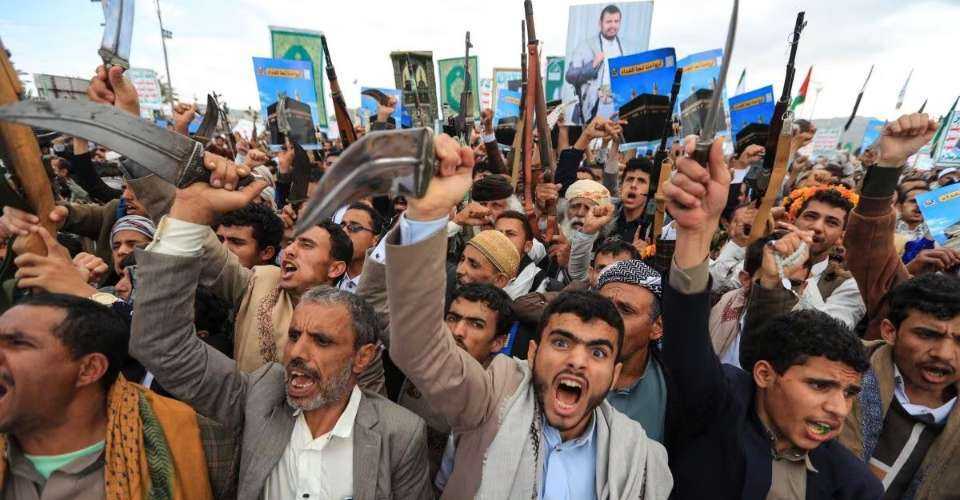
Saudi Arabia has recently heightened its defense measures against Houthi missile attacks, particularly on September 24, when ballistic missiles targeted various regions, including the sacred city of Mecca. In a response marked by international support, France announced its intention to provide military assistance, aiming to protect the crucial Yanbu oil terminal, a key hub in Saudi Arabia’s energy infrastructure.
Escalating Violence in Yemen
The ongoing conflict in Yemen has seen a surge in violence, with recent hostilities resulting in significant casualties on both sides. Reports indicate that dozens have perished in clashes between the Iran-backed Houthi militia and the government forces supported by Riyadh. The recent missile threats represent a continuation of Houthi aggression that began in July, following the collapse of a temporary peace agreement that had lasted for years. This resurgence of armed conflict has not only destabilized Yemen but also heightened tensions across the Middle East.
Since July, the Houthis have actively engaged in naval blockades, targeting Saudi vessels and controlling significant portions of Yemen’s coastline along the Red Sea. This control is strategically important, as it directly affects Saudi Arabia’s oil exports. The Iranian influence is becoming increasingly pronounced in this conflict, as its allies, including the Houthis, have positioned themselves at critical maritime chokepoints vital for the oil trade in the region.
Saudi Arabia’s Defensive Measures
The Saudi-led coalition, which has been assisting Yemen’s government since 2015, confirmed the interception of six ballistic missiles aimed at regions such as Taif and Yanbu. Coalition spokesperson Turki al-Maliki emphasized the commitment to countering what they consider Houthi terrorism, stating that any escalation will be met with a resolute response. The heightened tensions prompted the Saudi Civil Defence to issue alerts across Mecca and the Red Sea governorate, showcasing the gravity of the situation.
In light of these threats, French President Emmanuel Macron has announced plans to deploy military resources to bolster defenses around Yanbu. This approach reflects an understanding of Yanbu’s strategic importance, as it serves as a primary export terminal for crude oil and links to Saudi Arabia’s extensive pipeline network. Yanbu’s strategic installations include major oil storage and refining facilities, crucial for maintaining Saudi Arabia’s energy output.
Recent Developments in Ground Conflict
As missile attacks intensified on September 24, ground battles continued to rage in Yemen, particularly around the Bab al-Mandab strait. Reports suggest that over 150 fighters from both the Houthi faction and Saudi-backed forces lost their lives in a series of skirmishes. Many of these fatalities occurred due to missile and drone attacks, highlighting the intense and brutal nature of this conflict. The Houthis claimed responsibility for a series of coordinated assaults targeting military command centers and weapon depots within southern Saudi Arabia, indicating their capabilities have been significantly bolstered.
In addition to military actions, recent allegations suggest that the Houthis have actively targeted Mecca for the first time since 2017. They have refuted accusations of attempting to strike the holy city, yet their recent military engagements—including assaults on Riyadh—signal an increasingly audacious front. The conflict has not only reached critical landmarks but has also resulted in numerous casualties, creating a dire humanitarian situation in a country already ravaged by years of war.
As the conflict escalates, the humanitarian consequences continue to unfold, underscoring the urgent need for a resolution that addresses the root causes of this protracted struggle. The Houthis previously abided by a fragile truce until a controversial plane landing in Sanaa triggered renewed hostilities. With both sides entrenched in their positions, the path to a peaceful resolution remains fraught with challenges, leaving Yemen in a precarious state.