
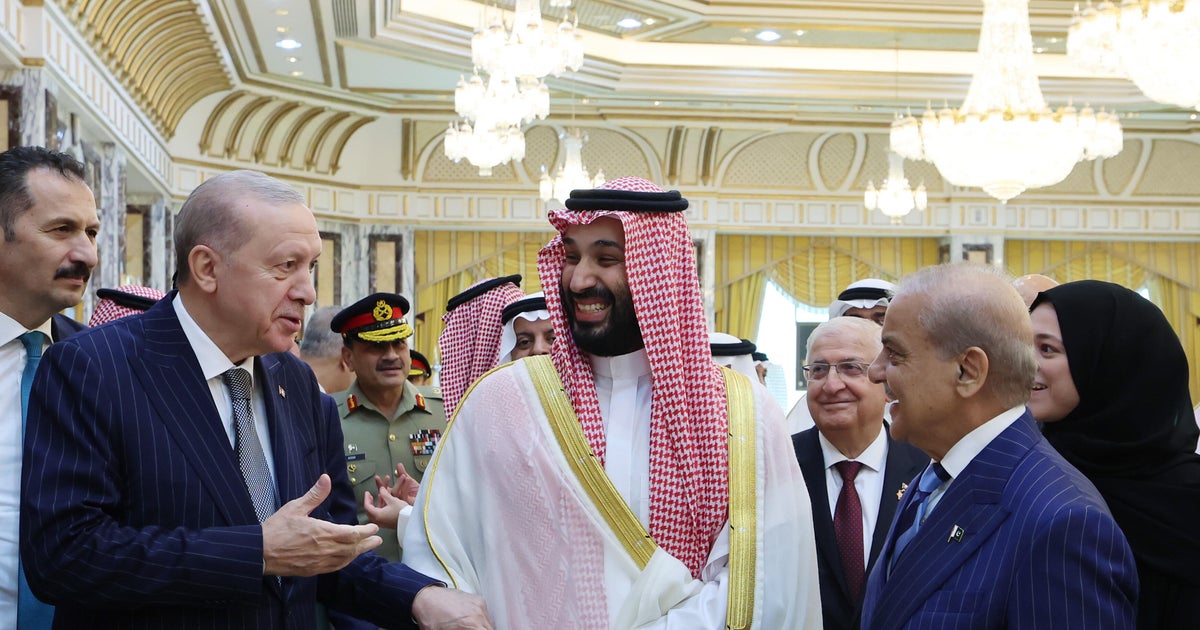
Saudi Arabia, Turkey, and Pakistan have formalized a defense agreement that aims to bolster their cooperative stance in a shifting security landscape. The need for this partnership has become increasingly apparent amidst rising tensions in the region, especially concerning threats related to the Iran conflict. This tripartite agreement signifies not only a strategic alignment of three influential Sunni Muslim-majority nations but also an essential step toward collective security.
The Mecca Joint Defense Agreement
On August 7, 2026, the leaders of these three nations—Saudi Crown Prince Mohammed bin Salman, Turkish President Recep Tayyip Erdogan, and Pakistani Prime Minister Shehbaz Sharif—gathered in the holy city of Mecca to officially sign the agreement. This treaty, identified as the “Mecca Joint Defense Agreement,” lays the groundwork for mutual defense, asserting that any armed attack on one member would be treated as an attack on all. This commitment to collective defense is crucial as the region faces increasing challenges to its stability.
Enhanced Military Cooperation
Details emerging from discussions indicate that the agreement could pave the way for joint military exercises, collaborative training, technology transfers, and intelligence sharing between the involved nations. According to Turkish officials, the agreement is fundamentally defensive, centered on mutual support for safeguarding national interests rather than aggressive postures. This clarification aims to address any misconceptions, emphasizing that the pact is open to other regional nations wishing to join.
A Focus on Sustainable Capabilities
Saudi officials have articulated that the agreement does not aim to establish a military alliance or create sectarian divides, nor is it intended to fuel an arms race. Rather, the focus is on building robust national capabilities to ensure long-term security. Rayed Krimly, the Deputy Minister for Public Diplomacy, emphasized that this strategic partnership aims at enhancing regional security rather than counteracting any specific threats. A foundational aspect of the agreement is that it does not invalidate existing bilateral or multilateral arrangements that the member nations have with others.
The Evolution of Strategic Ties
Analysts have noted that this agreement represents a natural progression in the longstanding strategic relationships between Saudi Arabia, Turkey, and Pakistan. Abdullah Khan, a defense expert in Islamabad, highlighted the vital necessity of closer cooperation due to the evolving nature of warfare and regional security dynamics. Just months prior, Pakistan and Saudi Arabia entered into a mutual defense pact, which further illustrates a growing commitment to collaborative security measures among these nations.
In summary, this trilateral defense agreement encapsulates a significant shift in the approach to regional security, laying the foundation for more profound military collaboration and establishing a unified deterrence mechanism against external threats. It reflects the realities of modern geopolitical challenges and sets the stage for a more integrated defense strategy among key players in the Islamic world. The unfolding narrative of this partnership will certainly influence the broader security environment in the region for years to come.