
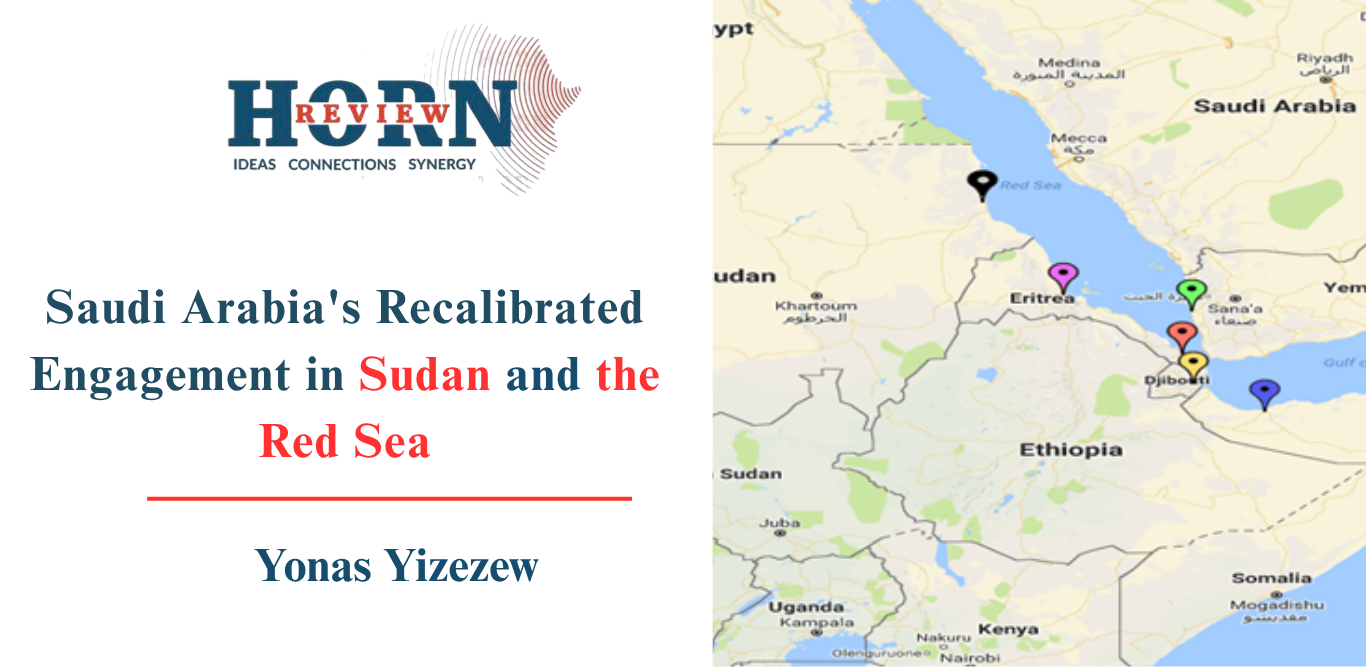
The recent maritime blockade declared by the Houthis against Saudi Arabia has prompted Riyadh to form a new defensive maritime coalition. This initiative is not merely a response to the blockade but is indicative of significant shifts in the geopolitical landscape of the Red Sea. With increasing interplay among maritime trade, energy flows, and regional influence, Saudi Arabia’s establishment of a multinational maritime alliance reflects broader strategic goals. This coalition marks a departure from earlier frameworks such as the Red Sea Council, enhancing Riyadh’s position in a complex regional scenario.
Red Sea Council: A Historical Perspective
The Council of Arab and African Coastal States of the Red Sea and Gulf of Aden was founded in 2020 as a collaborative effort to tackle issues like piracy and maritime security among the Red Sea’s littoral states. Riyadh spearheaded this initiative, uniting nations like Jordan, Yemen, Sudan, Djibouti, Somalia, Eritrea, and Egypt. While the council was intended to establish cooperation among bordering nations, it also aimed to limit external influences from regional rivals, including Turkey, Qatar, and Iran. However, the council’s consultative nature and lack of operational capacity highlighted its ineffectiveness. Regional tensions frequently overshadowed its original objectives and inhibited meaningful collaborative efforts.
A Shift Towards a Multinational Defense Coalition
In response to the Houthi blockade, Saudi Arabia transitioned from the military approach of the 2015 intervention in Yemen to developing the 2026 Multinational Defensive Maritime Coalition. Unlike the earlier combat coalition, this new initiative is oriented towards protecting commercial shipping and ensuring energy security, signaling a change from strict geographical limitations to a more inclusive operational framework. This redefined mission aligns with the need to create a proactive defense strategy in the face of sustained maritime threats.
The rapid development followed the Houthis’ declaration of a blockade on Saudi-linked shipping lanes—a direct challenge to Riyadh, compounded by rising tensions in regional waters. Saudi airstrikes targeted Houthi military sites, leading to a call for a robust, multinational response. The response was swift; representatives from about 43 nations convened in Riyadh, culminating in the founding of the new coalition, which claims to enhance maritime security and protect vital international shipping corridors.
Realignments in Regional Alliances
The formation of this new coalition illustrates shifting alliances and geopolitical dynamics in the Red Sea region. Countries that were once seen as adversaries, such as Turkey and Qatar, joined forces with Saudi Arabia, indicating a shift toward pragmatic cooperation in addressing maritime security challenges. Their inclusion reflects a departure from the narrow political landscape shaped by prior conflicts, such as the 2017-2021 blockade of Qatar.
Contrastingly, the United Arab Emirates opted out of this coalition, highlighting existing frictions over influence in regional affairs. Unlike earlier partnerships, Saudi Arabia’s expanding coalition encompasses non-littoral nations like Pakistan and Bangladesh, revealing a willingness to adapt membership to address contemporary security needs rather than adhering strictly to geographic criteria.
The Implications for Ethiopia’s Strategy
Ethiopia’s absence from both the Red Sea Council and the new coalition has profound implications for its long-term maritime strategy. While it has a vested interest in secure access to Red Sea trade routes, its exclusion underscores the complexities of regional politics dominated by Egypt and Eritrea. Despite the challenges, the evolving coalition landscape presents opportunities for Ethiopia to engage in bilateral partnerships or observer arrangements that align its logistics with maritime security goals.
The emergence of this new coalition, along with the participation of non-littoral states, suggests that Ethiopia could potentially reshape its access strategy. Maintaining stability and investing in overland transport corridors will be crucial for Ethiopia as it navigates the intricate dynamics of Saudi-Turkish-Qatari relations on one side and the Saudi-UAE rivalry on the other. Adopting a proactive diplomatic approach could help Ethiopia secure its maritime interests and ensure that it is not sidelined in the governance of crucial shipping lanes.
In conclusion, the maritime blockade and subsequent coalition formation underscore a rapidly evolving strategic environment in the Red Sea, requiring all nations, particularly Ethiopia, to reassess their approaches and establish meaningful connections in this complex geopolitical landscape.