
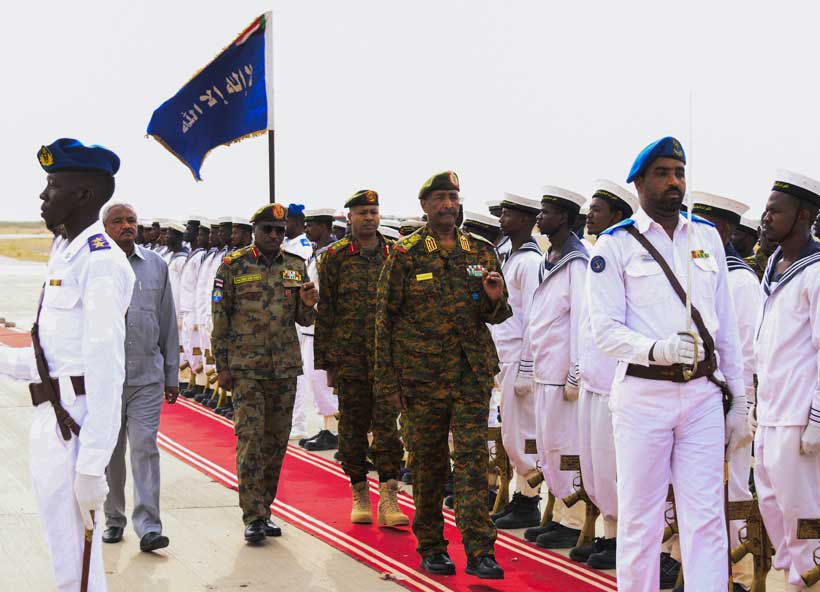
Saudi Arabia’s stance on foreign involvement in Sudan is becoming challenging to uphold. The ongoing turmoil in the region has put the nation’s declared position to the test, especially as outside influences multiply.
The Geopolitical Landscape of Sudan
Sudan has long been a focal point for geopolitical interests in North Africa and the Middle East. This country, rich in natural resources and strategically located, has drawn attention from various global players. China’s investments in Sudanese infrastructure, the U.S.’s interest due to safety and stability in the Horn of Africa, and Russia’s growing presence through military agreements highlight a complex regional dynamic. With countries jockeying for influence, Saudi Arabia’s claim of non-interference appears increasingly misaligned with reality.
Saudi Arabia’s Strategic Involvement
Despite vocal opposition to foreign meddling, Saudi Arabia’s actions towards Sudan demonstrate a commitment to influencing local affairs. The nation has engaged in diplomatic efforts and financial investments aimed at stabilizing the economic landscape of Sudan. The Saudi-led coalition’s interests in supporting specific factions in Sudan reveal their deeper involvement. This involvement aligns with broader objectives in the region, such as countering Iranian influence and building alliances that enhance national security.
Furthermore, Saudi Arabia’s partnership with the United Arab Emirates also complicates its narrative of non-interference. The two nations have been pivotal in providing support to certain groups within Sudan, which calls into question their assertions of neutrality. The situation challenges the perception of Saudi Arabia as a stabilizing force while exposing an intricately woven network of alliances that sometimes contradict its stated principles.
The Consequences for Regional Stability
Saudi Arabia’s paradoxical stance has significant implications for regional stability. As Sudan grapples with internal strife, the effects of external interventions, including those from Riyadh, can exacerbate tensions. A genuine commitment to promoting self-determination in Sudan requires a reevaluation of Saudi Arabia’s current policies. The perception of bias, whether real or alleged, can lead to an escalation of conflict, thus complicating peace-building efforts.
In addition, Sudan’s chaotic landscape poses risks for Saudi Arabia itself, as instability can lead to spillover effects, including humanitarian crises and refugee flows that could strain its resources and security. A rethinking of its external engagements may ultimately serve both Sudan’s interests and Saudi Arabia’s long-term strategic goals, emphasizing diplomacy over direct involvement.
The Future Outlook
Looking ahead, Saudi Arabia’s foreign policy in Sudan must reconcile its strategic interests with a commitment to respecting the sovereignty of nations. As the international community observes, the challenge lies in balancing intervention with respect for domestic issues. Maintaining credibility on the world stage will require a more transparent approach that aligns rhetoric with reality.
As foreign powers continue to maneuver in Sudan, Saudi Arabia has an opportunity to redefine its role in a constructive manner. By fostering peace and facilitating dialogue rather than imposing influence, Riyadh can work towards becoming a genuine ally to the Sudanese people. Only through such efforts can Saudi Arabia claim to respect the sovereignty of Sudan while effectively contributing to its stability. This evolution will not only enhance Saudi Arabia’s regional standing but may also foster more lasting peace in a historically tumultuous area.