
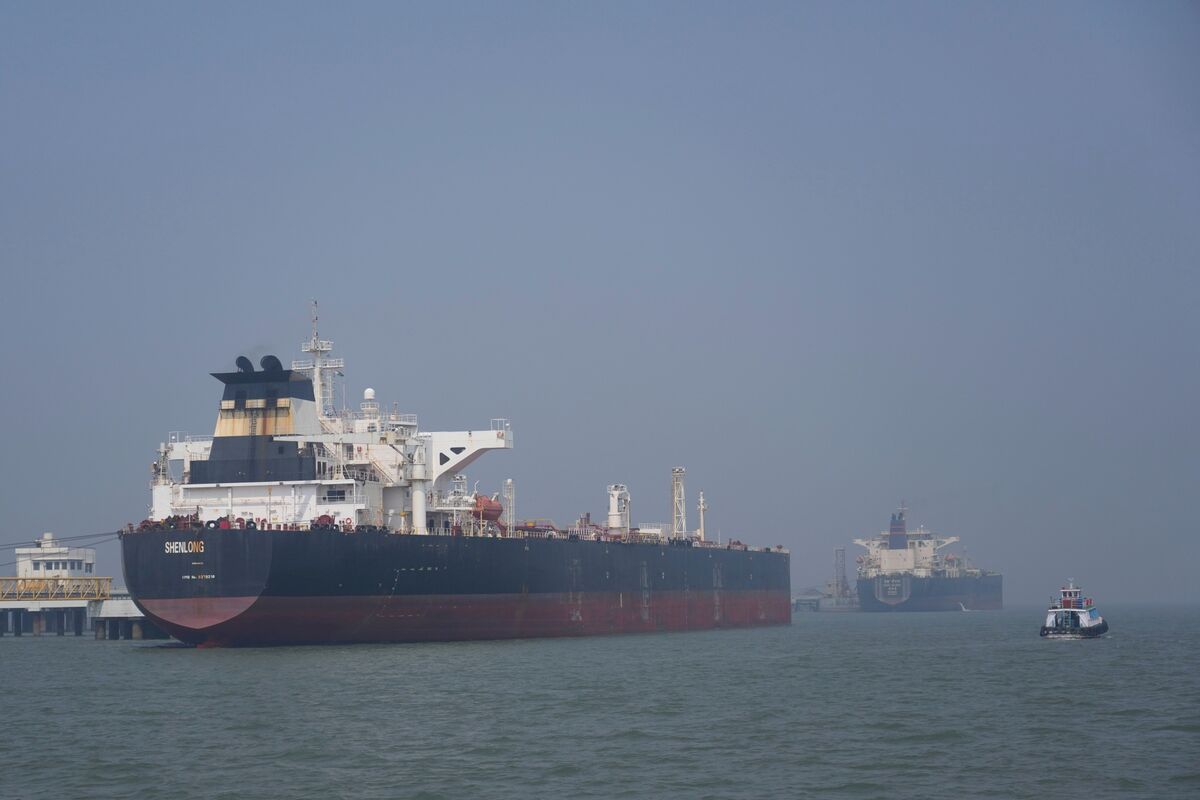
Saudi Arabia’s crude oil exports witnessed a slight decline in July, owing to increased risks and threats to maritime traffic in both the Persian Gulf and the Red Sea. This situation illustrates the complex landscape of global energy markets and highlights the ongoing vulnerabilities faced by major oil-exporting nations.
Threats Impacting Oil Shipments
In recent months, geopolitical tensions have intensified in the Middle East, leading to increased threats against shipping vessels navigating through critical waterways. Both the Persian Gulf and the Red Sea serve as vital corridors for oil exports, making them susceptible to disruptions. Armed conflict, piracy, or unverified military activities in these regions can significantly hinder oil transportation, causing delays and operational challenges.
This precarious environment has forced Saudi Arabia to reassess its shipping routes and protocols to ensure the safety of its vessels. The decline in exports can be attributed to a combination of precautionary measures and the need to prioritize the security of shipments over volume. Given Saudi Arabia’s significant role in the global oil market, any disruption in its exports can have far-reaching effects on oil prices and supply chains worldwide.
The Global Oil Market Dynamics
The fluctuations in Saudi crude oil exports influence the broader dynamics of the global oil market. As one of the world’s leading oil producers, the kingdom plays a crucial role in balancing supply and demand. When export levels drop, it can lead to a tightening of oil supply, contributing to increased prices on international markets. Analysts and investors closely monitor such trends, as these fluctuations can impact energy markets, consumer prices, and overall economic performance in oil-dependent nations.
Moreover, the potential for continued geopolitical tensions brings further uncertainty. Countries dependent on oil imports may need to strategize and prepare for possible price hikes or supply disruptions. This situation encourages a global reevaluation of energy strategies, with some nations exploring alternative energy sources to mitigate reliance on oil imports from volatile regions.
Implications for Saudi Arabia’s Energy Strategy
As Saudi Arabia faces these challenges, its energy strategy may evolve to address both immediate risks and long-term sustainability goals. In response to the complex geopolitical landscape, the kingdom is likely to invest in enhancing its maritime security and exploring alternative transport methods to ensure uninterrupted oil exports. This strategic shift could also involve diversifying routes and strengthening alliances with neighboring countries to create more secure passages.
Furthermore, the kingdom has been vocal about its vision for a more diversified economy under the Saudi Vision 2030 initiative, which aims to reduce dependence on oil revenues. In light of the current climate, the need to venture into renewable energy sources is becoming increasingly urgent, as global demand for cleaner energy grows. By preparing for such an energy transition, Saudi Arabia can better position itself in a future where oil reliance diminishes amid advancing technologies and changing consumer preferences.
In conclusion, the decline in Saudi Arabia’s crude oil exports in July serves as a microcosm of the complexities faced by major oil exporters today. Factors such as geopolitical threats, global market dynamics, and the drive for sustainability significantly influence the kingdom’s approach to energy management. The ability to adapt and respond to these challenges will be crucial for the future of Saudi Arabia’s oil industry and its broader economic landscape.