
On October 18, an alarming incident unfolded when Iran’s Islamic Revolutionary Guard Corps navy reported that a tanker exploded after hitting a naval mine in the southern Strait of Hormuz. The next day, Reuters conveyed this claim; however, there has yet to be an independent verification. This incident underscores a significant issue: disruptions in a critical maritime passage not only raise immediate dangers but also send rippling effects through global energy markets, shipping schedules, and household expenditures, extending far beyond the immediate region.
Regional Powers Seek Alternatives
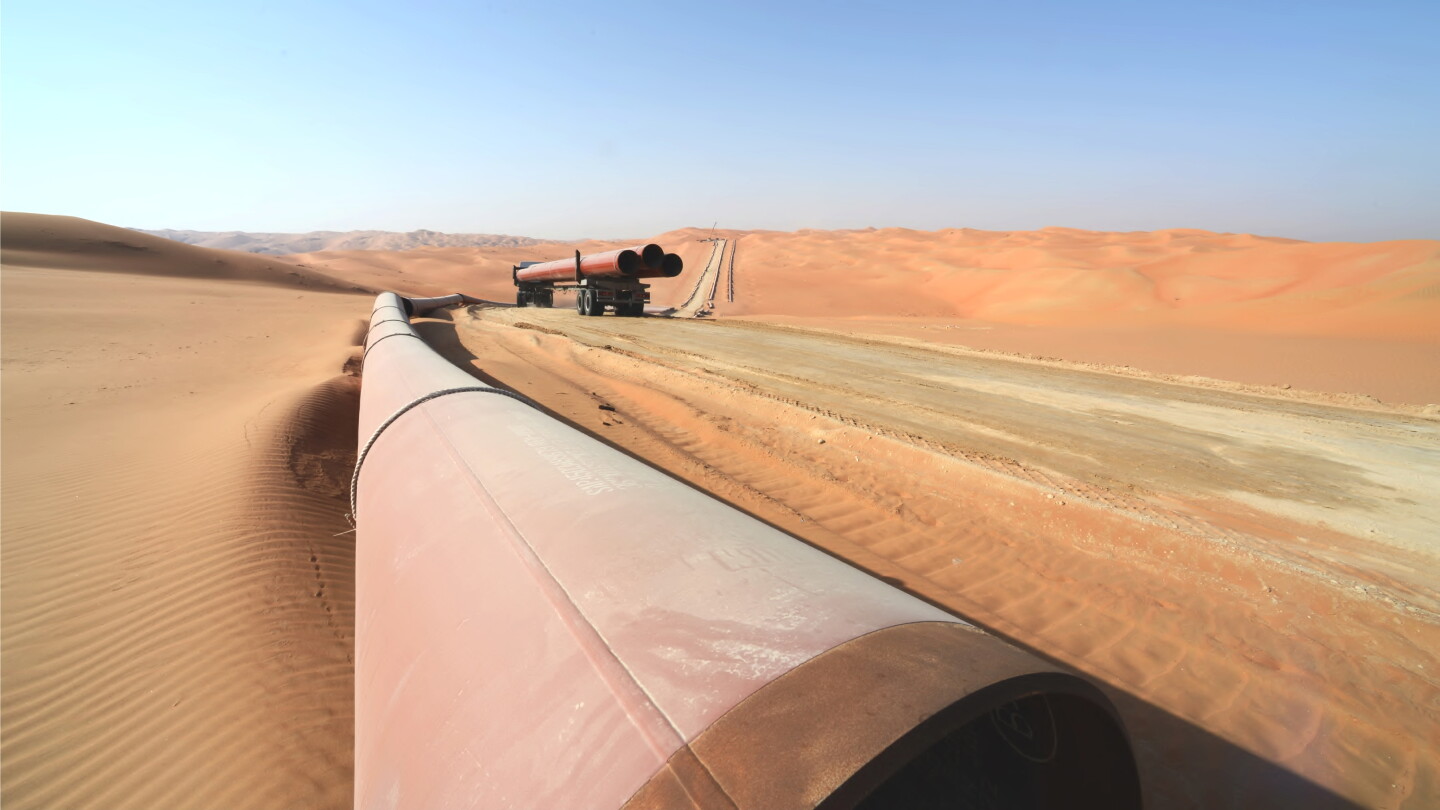
In response to these tensions, both Saudi Arabia and Egypt are exploring new avenues for securing their economic interests. Saudi Arabia aims to enhance its crude oil transport capacity by developing pipelines leading to the Red Sea, thereby minimizing reliance on the vulnerable Gulf routes. Meanwhile, Egypt is focusing on fortifying security diplomacy surrounding the Suez Canal’s southern approaches and developing energy cooperation through electricity interconnections with Saudi Arabia. However, while these initiatives are significant, they do not represent a transformative shift toward public accountability and citizen empowerment. Under the leadership of Crown Prince Mohammed bin Salman and President Abdel Fattah el-Sisi, both countries prioritize strategic resilience through centralized power structures, limiting the scope for citizen engagement in governance.
Economic Vulnerabilities Exposed
The crisis in the Red Sea has brought to light the inherent vulnerabilities of both nations. Following a series of Houthi attacks on international shipping in November 2023, shipping routes had to be redirected, resulting in increased transport costs and logistical delays. For Egypt, the financial fallout was severe, as Suez Canal revenues plummeted by nearly $7 billion in 2024, marking a staggering drop of over 60% year-on-year. This economic setback has compounded existing challenges, including foreign currency shortages and rising prices affecting everyday citizens. In an environment where governance is increasingly centralized, the Egyptian populace possesses limited ability to influence how these national assets, like the canal, are managed or to challenge decisions that lead to such disruptions.
Challenges for Saudi Arabia’s Economic Transformation
Saudi Arabia’s economic model, heavily reliant on oil revenues, is also demonstrating vulnerabilities. The government’s aspirations under Mohammed bin Salman to diversify the economy through megaprojects face scrutiny. On October 12, Energy Minister Prince Abdulaziz bin Salman announced plans to increase oil export capacity to as much as 10 million barrels per day through enhanced pipeline systems. However, reliable exports depend on various factors, including production capacity and market conditions. The threat of conflicts, particularly near pivotal points like Bab el-Mandeb, raises questions about whether merely expanding transport routes can shield the economy from external pressures.
The Need for Accountability and Sustainable Policies
As both countries navigate these complex challenges, the necessity for accountability in governance becomes increasingly urgent. Investments in infrastructure and energy projects should not merely serve to bolster state power but must also prioritize the welfare of citizens. Egyptians require economic stability that empowers them to influence public decisions, while Saudis need a diversified economy that extends beyond oil dependence. To gauge the success of new initiatives, it is crucial to assess whether these investments can not only facilitate energy flow but also provide meaningful economic benefits to the populace at a sustainable cost. Ultimately, the question arises: who benefits from such resilience, and how can governance play a role in ensuring that the public rather than just authority is served?