
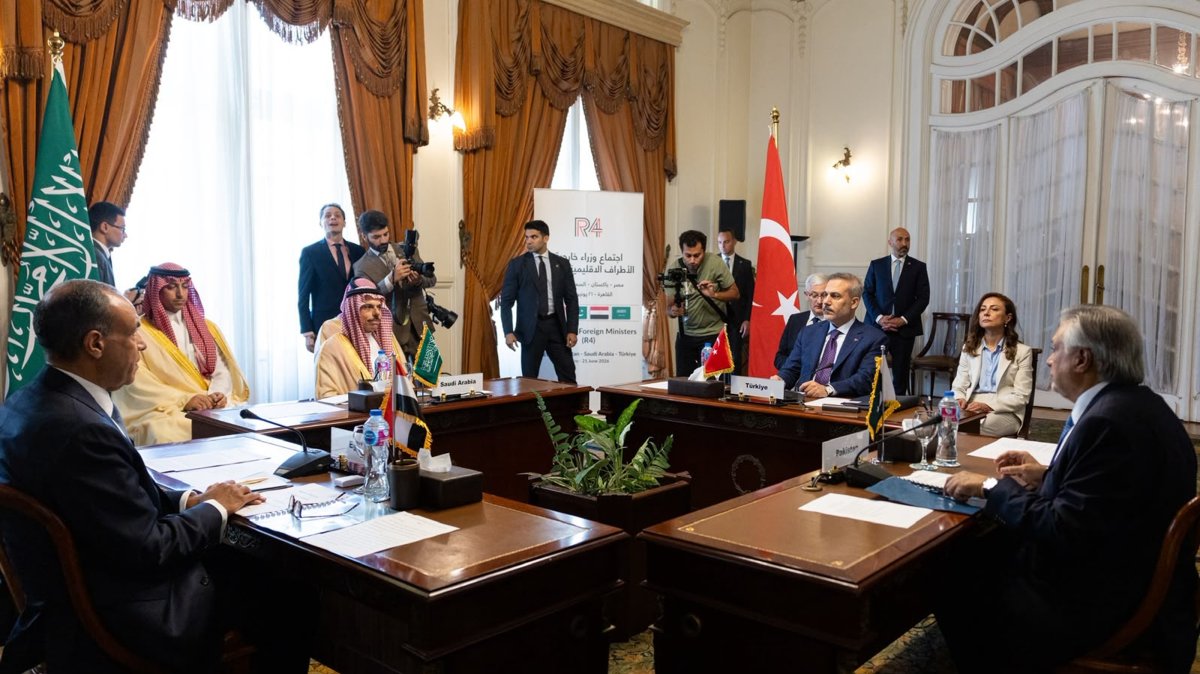
In recent times, the diplomatic relations among Türkiye, Saudi Arabia, and Egypt have seen significant improvement. Following the onset of the U.S.-Israeli conflict with Iran in late February 2026, this trilateral partnership has expanded to include Pakistan, marking a shift in regional dynamics. The increased ministerial consultations among these four nations are reshaping the security landscape of the Middle East.
Shared Interests and New Alliances
A key factor uniting Ankara, Riyadh, Cairo, and Islamabad is their collective vulnerability to a regional order that is increasingly uncontrollable. This was particularly highlighted when Iran closed the Strait of Hormuz, followed by a U.S. naval blockade. The impact of U.S. and Israeli actions in areas typically considered secure for Gulf countries prompted Saudi Arabia to rethink its long-standing dependence on American security measures. Notably, Saudi Arabia’s recent mutual defense pact with Pakistan underscores this shift toward seeking alternative alliances.
While no formal joint defense agreements currently exist among these countries, the frequency of their diplomatic exchanges signifies a growing institutional framework. The four nations have met multiple times, including three significant meetings from March to April 2026. This increasing cooperation indicates a shared goal of creating a consultative mechanism that could help them navigate the complexities of regional security.
Exclusion of the UAE and Regional Implications
Interestingly, this emerging coalition notably excludes the United Arab Emirates, historically a close ally of Saudi Arabia. Given the UAE’s recent moves, such as its exit from OPEC and its deviation from Saudi and Gulf Cooperation Council (GCC) positions, this exclusion illustrates Riyadh’s intent to build alliances focused on mutual threat perceptions rather than geographical proximity or historical ties.
The motivations driving this alliance have become clearer, with Türkiye, Saudi Arabia, Egypt, and Pakistan aiming to establish a framework that reduces their reliance on a Washington-centric order. These countries believe that such an order has, time and again, failed to prevent regional tensions, prompting them to look for collaborative solutions within their own sphere.
Economic and Military Collaboration Amidst Old Disputes
The closer ties among Türkiye, Saudi Arabia, and Egypt have unfolded particularly in the context of an easing decade-long rift between Ankara and Cairo. Their improved relationship kicked off with a military cooperation agreement in February and was further solidified through a substantial Turkish arms deal with Egypt. This cooperative spirit has shifted their focus toward common challenges, particularly concerning Gaza, Sudan, Libya, and the Horn of Africa.
While Gaza is a prominent focal point of this new relationship, it is not the sole issue at play. Türkiye has taken on a crucial mediating role in the region, engaging with Egypt, Qatar, and the United States. Ankara’s commitment to potentially contribute troops for any international stabilization forces underscores its growing importance in efforts to rebuild Gaza. This offer has been supported by both Riyadh and Cairo, reflecting a unified approach among the four nations.
Challenging Established Security Norms
The alliance’s firm rejection of an Israeli-imposed order in Middle Eastern affairs demonstrates a significant shift in the regional power dynamic. By coordinating strategies related to Gaza and Iran, the alliance aims to reshape the traditional assumptions underpinning Middle Eastern security structures, primarily those centered around U.S. guarantees.
Despite these promising developments, the formation of a fully institutionalized framework among these states remains a distant prospect. Instead of formal treaties, the coalition aims to create a consultative body characterized by shared security concerns. As such, it is poised to remain an informal arrangement focused on redefining the role of regional powers in crafting a stable and secure Middle East.
In summary, the evolving relationships among Türkiye, Saudi Arabia, Egypt, and Pakistan signal a significant shift toward regional cooperation in addressing security challenges, while also marking a departure from reliance on traditional Western alliances.