
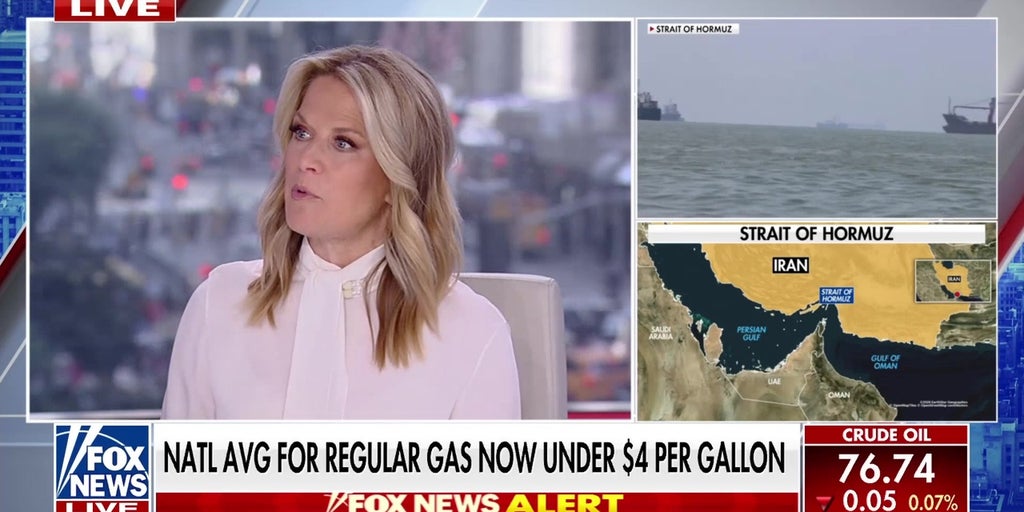
Oil tanker activity in the Strait of Hormuz has recently gained attention, particularly following a significant memorandum of understanding signed by President Donald Trump with Iran. This development raises crucial questions about shipping patterns and economic implications in the region.
Recent Changes in Tanker Movements
According to reports by Lauren Simonetti from Fox Business, the movement of oil tankers in the Strait of Hormuz has notably shifted. After a prolonged period of inactivity—lasting nearly two months—both Iranian and Saudi tanker vessels have begun to navigate the strategic waterway once again. This resurgence marks a pivotal change in maritime transport dynamics, as previous tensions had effectively paralyzed oil shipping operations in the vicinity. With tankers now operating with their signals turned on, the atmosphere has shifted, indicating a cautious but tangible return to standard practices.
Impact on Oil Supply and Shipping Dynamics
Despite this positive shift, significant challenges remain. Reports indicate that approximately 165 million barrels of oil are currently stranded in the region, largely due to the hesitance among ship owners to return to the Persian Gulf. The reluctance stems from lingering concerns about potential geopolitical tensions and the safety of navigation through one of the world’s busiest channels. The situation underscores the precarious balance of supply and demand in global oil markets, where even minor disturbances can lead to considerable ramifications.
The Geopolitical Landscape and Its Influence on Oil Transport
The agreement signed between the U.S. and Iran represents a complex layer in an already intricate geopolitical landscape. While the deal aims to foster stability, uncertainties linger about its long-term effectiveness. The move could pave the way for improved trade relations, yet many ship owners remain wary of the potential for renewed tensions. This caution affects not only shipping firms but also international oil prices, which could fluctuate dramatically based on developments in the region.
Looking Ahead: The Future of Oil Tanker Operations
As the situation develops, monitoring the movements of tankers in the Strait of Hormuz will be crucial for stakeholders in the oil industry. The ongoing economic ramifications and the broader implications of U.S.-Iran relations could shape future shipping patterns. Industry leaders may need to consider strategies that account for both opportunities and risks, especially given the volatility that has characterized this vital shipping route. The Strait of Hormuz remains a barometer for global oil supply and demand, making it essential for stakeholders to stay informed about the latest developments.