
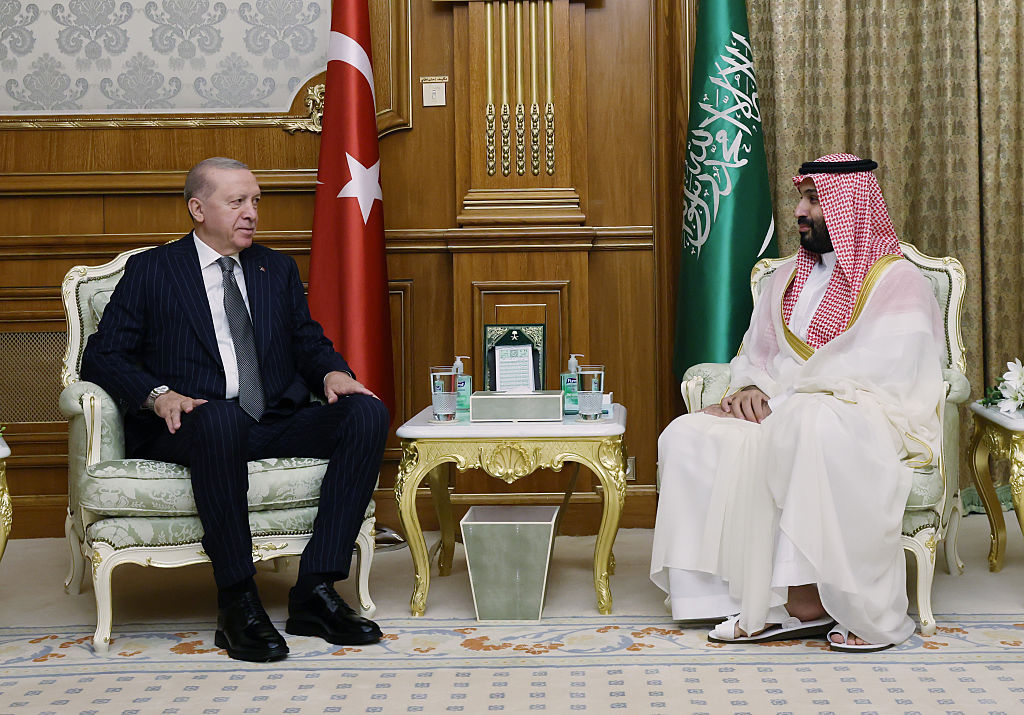
The geopolitical landscape of the Middle East is undergoing significant transformations, with Saudi Arabia emerging as a focal point of international interest. The kingdom’s strategic location and vast resources make it a highly sought-after ally, particularly as global powers recalibrate their foreign policies in response to evolving regional dynamics. There are two main trajectories for Saudi Arabia’s future: one leaning toward deeper ties with the United States, and another that may pivot towards new alliances.
The United States and Saudi Arabia: Strengthening Bonds
Historically, Saudi Arabia has maintained a close relationship with the United States, rooted in mutual interests such as energy security and counterterrorism efforts. As regional tensions rise, particularly with adversarial nations like Iran, the U.S. could further strengthen its partnership with Riyadh. This path entails enhanced military cooperation and economic ties, which could stabilize the kingdom amid growing uncertainties in the region. By investing in defense technologies and conducting joint military exercises, both nations can bolster their strategic partnerships and deter potential threats.
Moreover, the United States may also benefit economically from an alliance with Saudi Arabia. The kingdom’s vast oil reserves play a critical role in global energy markets. A deepened relationship could facilitate the U.S. in securing oil supplies and maintaining favorable prices, which is essential for both nation’s economies. Such cooperation could yield dividends in trade, investment, and shared technological advancements in renewable energy.
International Dynamics: A Shift Toward New Alliances
On the other hand, the shifting geopolitics might nudge Saudi Arabia to explore alternative partnerships, including with countries such as China and Russia. These nations have been increasingly asserting themselves in Middle Eastern affairs, providing military and economic support in return for access to vital resources. A pivot toward these nations could offer Saudi Arabia new avenues for diversification of its economy, particularly in sectors such as technology and infrastructure.
Furthermore, the collaborative initiatives led by China’s Belt and Road Initiative present significant opportunities for Saudi Arabia to enhance its connectivity and build robust trade routes. This path, however, could also lead to tensions with the United States, which may perceive such a shift as a threat to its own interests within the region. Consequently, Saudi Arabia finds itself at a crossroads where it must carefully balance its relationships with both Western and Eastern powers to maximize its strategic benefits.
The Future of Saudi Arabia: Navigating Complex Waters
As Saudi Arabia navigates these complex international waters, its decisions will be pivotal not only for the kingdom itself but for the broader geopolitical landscape of the Middle East. The country has embarked on an ambitious Vision 2030 plan, aimed at reducing its dependence on oil and diversifying its economy. This development could further influence Saudi Arabia’s relations with global powers as it seeks investments and partnerships to fuel innovation and growth.
In conclusion, the future of Saudi Arabia’s diplomatic relationships seems to hinge on its choices in the coming years. Whether it chooses to consolidate its alliance with the United States or explore new ties with emerging global powers, the implications of these decisions will reverberate across the region and beyond. As geopolitical factors continue to evolve, Riyadh’s maneuvers will be closely watched, making it a key player in shaping the Middle Eastern geopolitical landscape.