
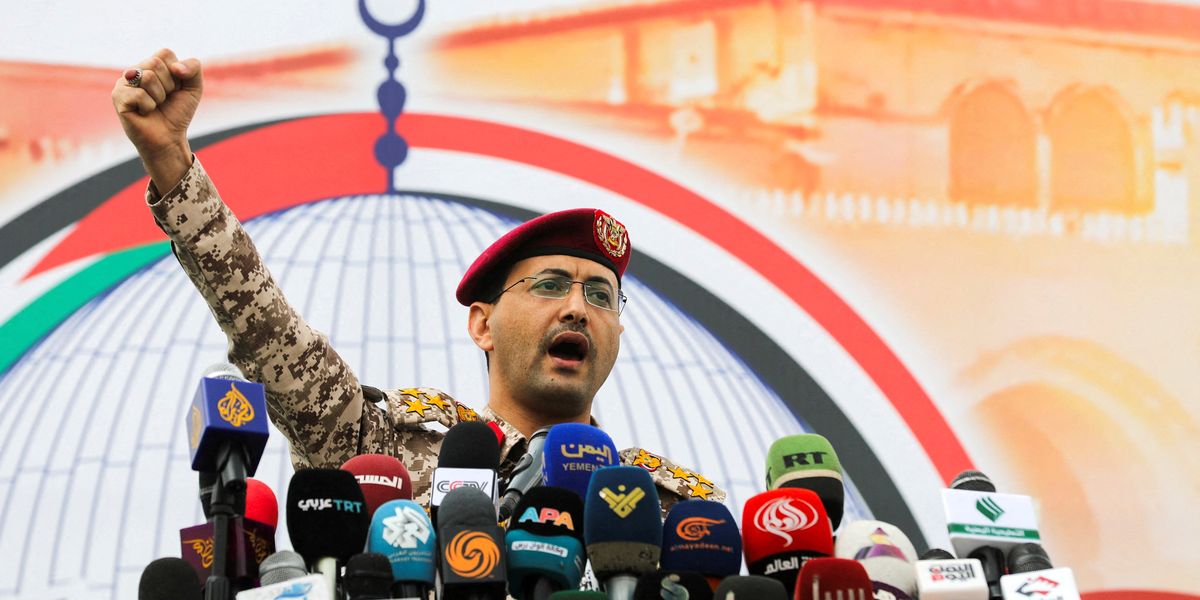
In early July, a significant event unfolded in Yemen that demonstrated the evolving dynamics of the Houthi movement and its regional influence. An Iranian civilian aircraft successfully landed in Sana’a, the Houthi-controlled capital, marking a major breach of the Saudi air blockade that has been in place for nearly ten years. This incident was soon followed by a fierce retaliatory campaign from the Saudi-led coalition, which threatened “unprecedented” military actions against Houthi targets, including Hodeidah port and Sana’a airport. Concurrently, the Houthis launched their most aggressive ground offensive in years, briefly capturing government positions near Hodeidah before being pushed back.
### The Houthis: Beyond a Proxy
The recent developments have sparked a reevaluation of the Houthis’ role in the region. Once viewed primarily as a proxy for Iran, the Houthis are increasingly seen as an autonomous faction that has strengthened its domestic authority while also asserting its regional aspirations. This transformation is evident in their military actions; for instance, the Houthis initiated their first strikes against Israeli territory in late March, shortly after U.S.-Israeli airstrikes began. Their attacks continued throughout the conflict, culminating in more direct threats against Israeli shipping in the Red Sea by June.
Interestingly, the Houthis had initially refrained from fully mobilizing their capabilities against regional adversaries, choosing instead to focus on consolidating power within Yemen. This strategy suggests that their primary goal has been to solidify their hold over the territory rather than to engage in wider conflicts that might jeopardize their gains. Their latest offensive south of Hodeidah aligns with this tactic, causing less diplomatic fallout than direct confrontations at sea would.
### Building Strategic Resilience
The Houthis’ capacity for resilience has allowed them to endure and even expand their military capabilities amidst adversity. The coalition’s bombardments have damaged their infrastructure and weakened their arsenal, yet they have been quietly enhancing their missile production and technical expertise. Reports have noted that, rather than wholly relying on Iranian-supplied components, the Houthis are increasingly capable of assembling their own missile technology from parts delivered in kit form. This indicates a growing autonomy and technical advancement that fortifies their strategic position.
Amidst these developments, the Houthis have been careful to preserve their gains. Their recent demonstrations of military strength serve both as a warning to adversaries and a means to leverage negotiations with Saudi Arabia and other parties involved in the Yemen conflict. The Houthis are adept at utilizing threats of renewed aggression to extract concessions within the stalled peace process, maintaining the upper hand in negotiations while ensuring that their military capabilities are not squandered.
### The Houthi Agenda and Regional Implications
Despite their alignment with Iranian interests, the Houthis have their own historical grievances that they champion. They perceive themselves as the defenders of marginalized communities in Yemen, which further complicates their approach to regional issues, such as the growing Israeli influence in the Horn of Africa. The recent normalization of ties between Israel and Somaliland has drawn a sharp reaction from the Houthis, as they view it as a direct threat to their regional leverage in the Red Sea.
Currently, the geopolitical landscape complicates Saudi Arabia’s options. As the kingdom engages in diplomacy with Iran, it risks losing its ability to counteract Houthi advancements. This diplomatic context may embolden the Houthis, allowing them to maintain pressure for concessions without facing immediate military repercussions. Their evolving agenda suggests that they are committed to preserving their achievements and strategically planning their next moves, resisting any narrative that might position them solely as an Iranian pawn.
In conclusion, the ongoing conflicts in Yemen reflect a complex interplay of regional dynamics, with the Houthis asserting increasing control and autonomy. These developments have led to a precarious balance of power that complicates efforts for peaceful resolution. With their newfound capabilities and strategic cunning, the Houthis are positioned to continue leveraging their influence in the region while maintaining their grip on Yemen.