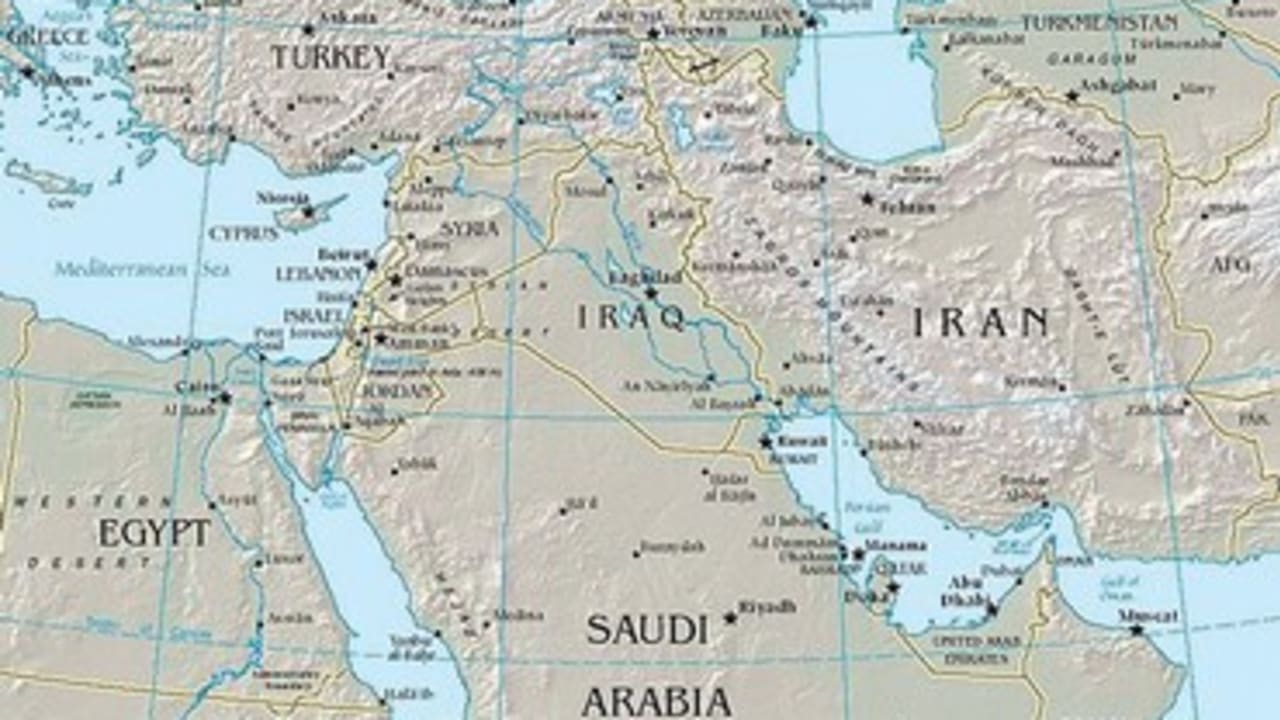
The concept of the “Sunni axis” has recently gained prominence, representing a burgeoning security alliance among Sunni-majority states. Central to this coalition is the Strategic Mutual Defense Agreement (SMDA) signed between Pakistan and Saudi Arabia on September 17, 2025. This agreement may redefine security dynamics in the region as it establishes an unmistakable commitment to mutual defense, akin to NATO’s Article 5, which posits that an attack on one member is an attack on all.
Features of the SMDA
A pivotal aspect of the SMDA is its collective-defense clause, suggesting a strong collaborative framework among signatories. This has led some analysts to refer to the pact as an “Islamic NATO.” Its implications extend beyond a mere bilateral agreement, as the burgeoning alliance seeks to involve other key players such as Turkey and Qatar, with Egypt also considered a potential member. According to Pakistani officials, there are intentions to broaden the scope of this security arrangement, hinting at a more cohesive Sunni coalition that could address regional threats.
Turkey’s Involvement
Turkey’s interest in joining the SMDA highlights the evolving geopolitical landscape. Talks indicating Turkey’s eagerness to engage in this security architecture surfaced as early as January 2025. Pakistan, already reliant on Turkey for military supplies, including advanced aircraft and drones, sees this partnership not just as strategic but also as economically beneficial. If Turkey formally joins, the resulting trilateral agreement among Pakistan, Saudi Arabia, and Turkey would signify a significant leap towards comprehensive regional security collaboration.
Regional Dynamics
The potential emergence of a Sunni axis could unify diverse strengths, bringing together Saudi and Qatari resources, Turkey’s military capabilities, Pakistan’s nuclear deterrent, and Egypt’s extensive army. This powerful coalition could reshape the regional balance, instilling concerns among Iran and its allied entities regarding a Sunni bloc that could challenge their influence. Additionally, there are apprehensions in New Delhi and Jerusalem that a fortified Pakistan-Saudi-Turkish alliance might disrupt current security dynamics, particularly with regard to India’s defense posture and Israel’s military operations linked to Hamas.
While alluring in theory, the practical realization of a disciplined, combat-ready alliance remains questionable. Internal differences and the complex relationships each member has with global powers like the U.S. and China might inhibit full collaboration. Despite the regional implications, the actualization of this Sunni axis appears remote, as hesitations loom around extending the SMDA to further states like Turkey and Qatar. The prospect is still mired in uncertainty, reflecting broader geopolitical rivalries and the lingering distrust from previous bilateral tensions, particularly between Turkey and Saudi Arabia.
In summary, the Sunni axis’s long-term prospective impact remains to be fully realized. While it holds the potential to significantly influence geopolitical alignments across the Middle East, present circumstances indicate that such a coalition is yet to fully materialize. Therefore, while observers monitor developments closely, it is crucial to recognize that the establishment of a cohesive Sunni military alliance is still in its infancy.