
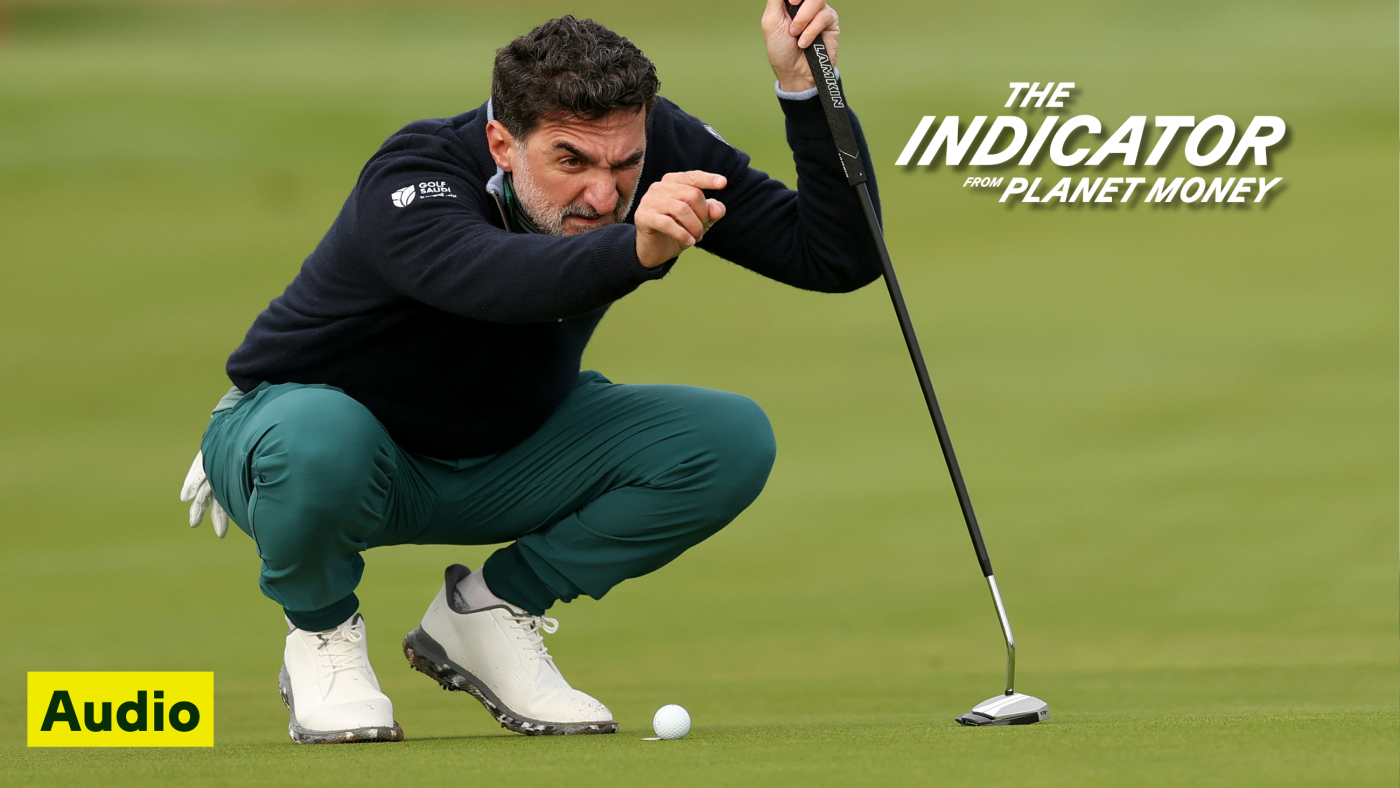
Saudi Arabia has increasingly invested in cultural and sporting events over the last decade, particularly in golf. With the establishment of LIV Golf, a venture designed to compete with the PGA Tour, the nation gained significant media attention. However, recent indications suggest a possible shift in direction. This article explores whether Saudi Arabia is pulling back from its ambitious golf aspirations and what this means for the future of the sport in the kingdom.
The Rise of LIV Golf and Its Impacts
Saudi Arabia’s Public Investment Fund (PIF) has been a driving force behind the rise of LIV Golf. By injecting billions into this initiative, the country aimed to reshape its global image and attract international sporting events. The LIV Golf series promises lucrative contracts for players, making it an enticing alternative to traditional tours. This strategy aligns with Saudi Arabia’s Vision 2030, a plan aimed at diversifying its economy away from oil dependency.
Despite the initial fervor surrounding LIV Golf, several challenges have emerged. Critics argue that the funding undermines the integrity of the sport. Additionally, various high-profile players and sponsors have opted out of engagements, citing ethical concerns. This backlash raises questions about the sustainability of LIV Golf and whether it can continue to attract talent and viewers.
Signs of a Strategic Shift
Recent developments suggest that Saudi Arabia may be recalibrating its focus on golf. While the country has poured resources into various sporting avenues, including major tournaments and state-of-the-art golf courses, some indicators point to potential withdrawals from these commitments. The abrupt end or decline of certain initiatives might reflect a realization of the difficulties involved in sports investment, particularly when it comes to public perception.
Furthermore, Saudi Arabia’s broader investment strategy is evolving to include a more diverse set of cultural endeavors. The nation aims to position itself as a center for entertainment and arts, which could draw away focus from golf. This pivot could indicate a recognition that solely banking on sports for international influence may not be a sustainable long-term strategy.
The Future of Golf in Saudi Arabia
With this possible reversal in strategy, one must ponder what the future holds for golf within Saudi Arabia. Will the country continue to host significant tournaments and attract international players? Or will this be seen as a phase that has run its course?
If Saudi Arabia decides to move away from golf, it could redirect its efforts into other sports or cultural initiatives that resonate better with global trends. This might include investing in local sports leagues or supporting artistic ventures that foster international collaboration. Events that focus on community engagement and sustainability may provide better long-term returns.
In conclusion, while Saudi Arabia’s foray into golf has been substantial, the current signs suggest a re-evaluation of its ambitions in the sport. Whether this marks a temporary phase or a more permanent shift remains to be seen, but the efforts to diversify its economic and cultural appeal will likely continue. As the world watches, Saudi Arabia’s next steps in the realm of golf could shape not only its sporting landscape but its broader international relations and global standing.