
In February 2023, my first full day on a Middle East Policy delegation to Saudi Arabia started in an unexpected location. Rather than beginning in the bustling financial sector of Riyadh or the historical Al-Balad in Jeddah, the day initiated at the Mohammed bin Nayef Center for Counseling and Care. This unique rehabilitation center is designed for former jihadists and is named after a significant figure in Saudi Arabia’s counterterrorism efforts.
A Surprising Environment
At first glance, the center surprised me. Instead of a grim and clinical facility, it resembled more of a community center, complete with a welcoming atmosphere akin to a YMCA. We were greeted with a polished presentation showcasing programs aimed at psychological support, Islamic re-education, art therapy, and even included an Olympic-sized swimming pool. Participants enjoyed traditional qahwa and dates inside a Bedouin tent while staff proudly proclaimed an impressive success rate of 86 percent. However, skepticism looms, as experts like John Horgan from Georgia State University caution the public about the unverifiable nature of such success claims. Instances of former participants declining interviews during media visits raise eyebrows about transparency and authenticity within these rehabilitation structures.
This initiative, despite its appealing presentation and substantial resources, cannot truly shift the ideological landscape shaped by decades of Saudi influence across the Muslim world. While the kingdom has invested in large-scale entertainment projects and various cultural events, these efforts seemingly run parallel to a long-standing theological commitment. The juxtaposition of entertainment initiatives, high-profile sports contracts, and concerts illustrate a strategy aimed at positioning recreational enjoyment as an alternative source of national identity, potentially offsetting traditional theological dominance.
The Complex Legacy of Mohammed bin Nayef
Once hailed as a highly effective counter-terrorism figure, Mohammed bin Nayef’s legacy is complicated. A former CIA partner and decorated intelligence figure, his downfall marked a significant shift in the dynamics within the Saudi power structure. Allegations of corruption that led to his imprisonment highlight internal conflicts and ongoing power struggles within the kingdom. As bin Nayef’s legacy intertwines with Washington’s interests, it becomes increasingly clear that the Western understanding of Saudi Arabia is not sufficiently nuanced. Observers often overlook the internal battles against opponents who possess a far deeper grasp of religious authority—a factor that shapes the current narrative of Saudi governance.
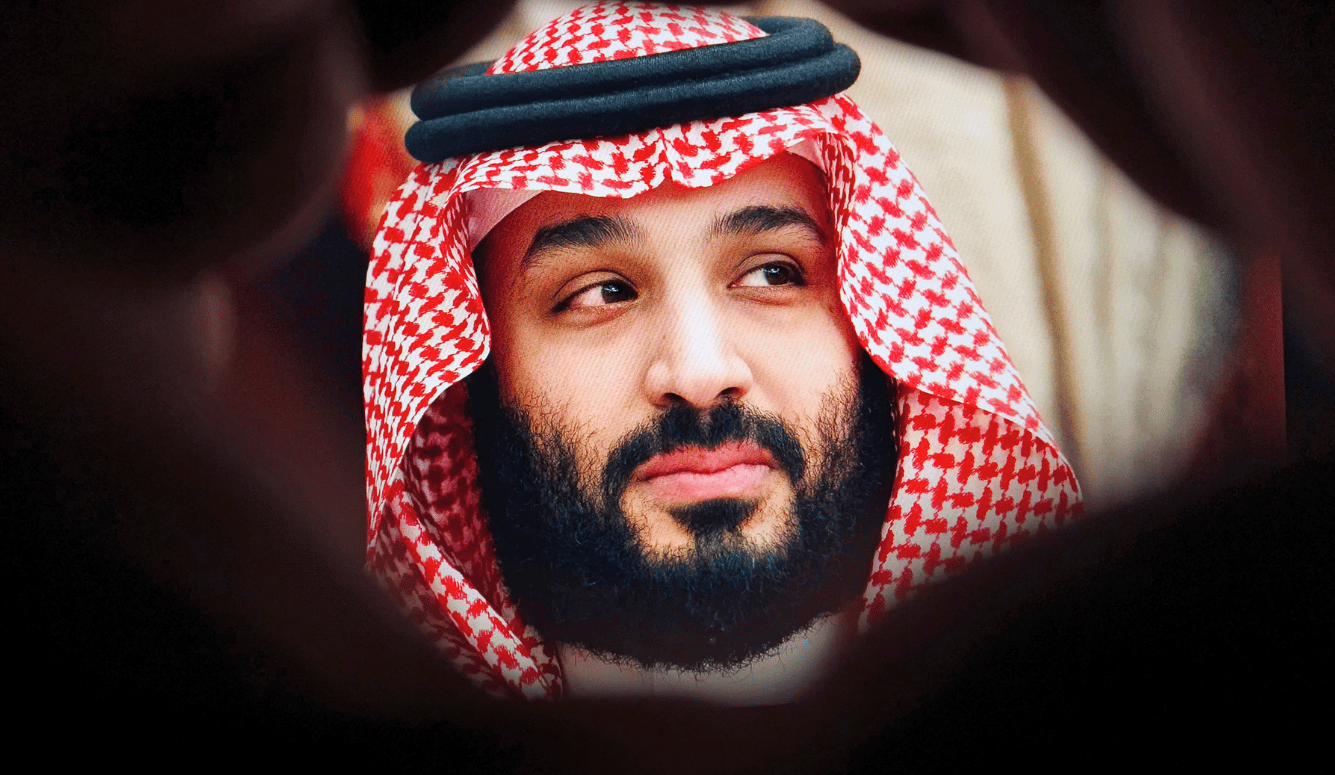
Regrettably, many analysts in Washington misinterpret the motivations behind Saudi actions, often attributing them to external challenges like oil prices and regional conflicts. However, these external factors fall short of depicting the full picture. Crown Prince Mohammed bin Salman (MBS) is navigating an intricate web of internal conflict and ideological repression. Understanding this internal struggle is vital to comprehending the implications of Saudi normalization efforts with Israel, a move often misconstrued as merely a diplomatic achievement.
The Implications of Normalization
In Saudi Arabia, reactions to these normalization efforts are layered and complex. Families with rich historical affiliations to both the oil and religious sectors often reflect broader societal divisions. Following the events on October 7, many citizens voiced their opposition, leading to a significant uptick in anti-normalization sentiment. For individuals connected to influential family legacies, these sentiments are not just personal; they echo a collective struggle for identity in a rapidly changing society. The narrative that Saudi normalization is merely a foreign policy achievement misses the deeper, domestic ramifications at play within the kingdom.
As the kingdom continues to navigate this tumultuous landscape, the challenge remains: can the state effectively subdue transnational Islam while maintaining its own identity? This question holds profound implications for both the future of Saudi society and its relationships on the global stage. It’s crucial to grasp the intricacies of these dynamics for a comprehensive understanding of the evolving Middle East landscape.