
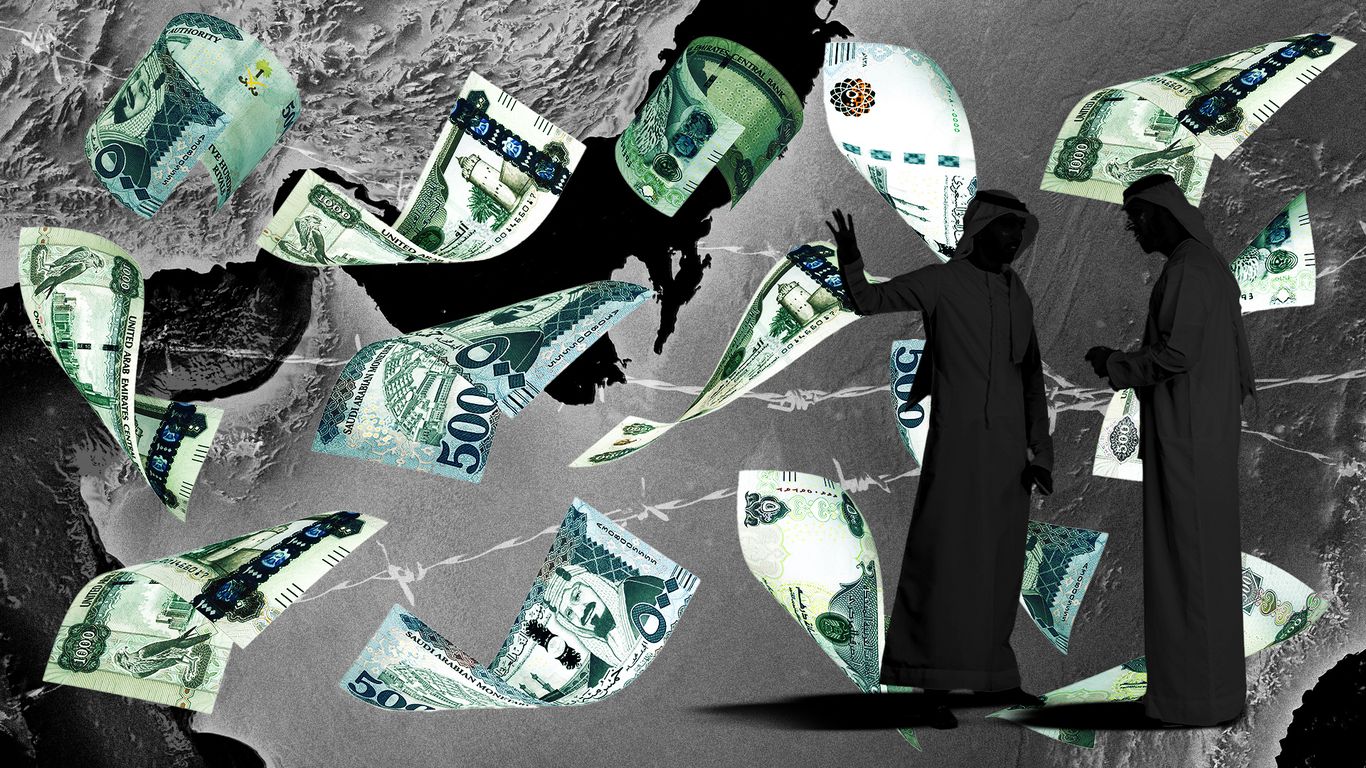
The Middle East has long been synonymous with oil, a resource that has shaped its economy and geopolitics. However, recent trends are challenging the region’s aspirations for a post-oil future, underscoring the complexities of transitioning to sustainable practices and diversifying economic activities.
The Impact of Global Energy Trends
In recent years, the global energy landscape has undergone significant shifts. The rise of renewable energy sources has gained momentum, prompting countries worldwide to invest in cleaner technologies. While these changes are encouraging for the environment, they pose a challenge for oil-dependent economies in the Middle East. As demand for oil fluctuates, nations are wrestling with how to pivot their economies away from a reliance on fossil fuels towards more sustainable avenues.
This transition, however, is not merely about switching energy sources. It involves a comprehensive rethinking of economic strategies, investments in human capital, and a commitment to innovation. Some Middle Eastern countries are starting to recognize the need for economic diversification, but the challenge remains formidable.
The Chase for Economic Diversification
Many nations in the region are exploring various sectors such as tourism, technology, and renewable energy to lessen their dependence on oil revenues. For example, the UAE has made substantial investments in solar energy projects and tourism ventures aimed at attracting international visitors. Saudi Arabia has launched its Saudi Vision 2030 initiative, which aims to diversify the economy and reduce oil dependency.
Despite these efforts, the pace of change has been slower than anticipated. The entrenched nature of oil as the primary revenue source makes it difficult to shift perceptions and practices quickly. Additionally, cultural and historical ties to the oil industry complicate this transition. Many citizens have built livelihoods around oil-related jobs, creating resistance to change and highlighting the socio-economic implications of this shift.
The Role of Policy and International Cooperation
To navigate these hurdles, robust policy frameworks and international partnerships are crucial. Governments in the region must create conducive environments for emerging industries while fostering innovation and technology transfer. Collaborations with global companies and access to international markets can also expedite this transition.
Educational reform is another essential component of this transformation. By reshaping curricula to focus on skills relevant to emerging sectors, the region can equip its workforce for a future beyond oil. Investments in research and development will further drive innovation, enabling countries to carve out niches in the global economy.
The Path Forward
While the journey towards a post-oil future may appear daunting, there is an undeniable urgency to embrace change. The current geopolitical landscape, with fluctuating oil prices and climate commitments, accelerates the need for a diversified economy. Middle Eastern nations must, therefore, commit to long-term planning and implement immediate action plans to ensure sustainable growth.
In conclusion, the vision of a post-oil Middle East is still attainable, but significant obstacles must be overcome. As these countries navigate their transitions, a proactive approach rooted in education, international collaboration, and innovative policies will be paramount in reshaping their economic futures for the better.