
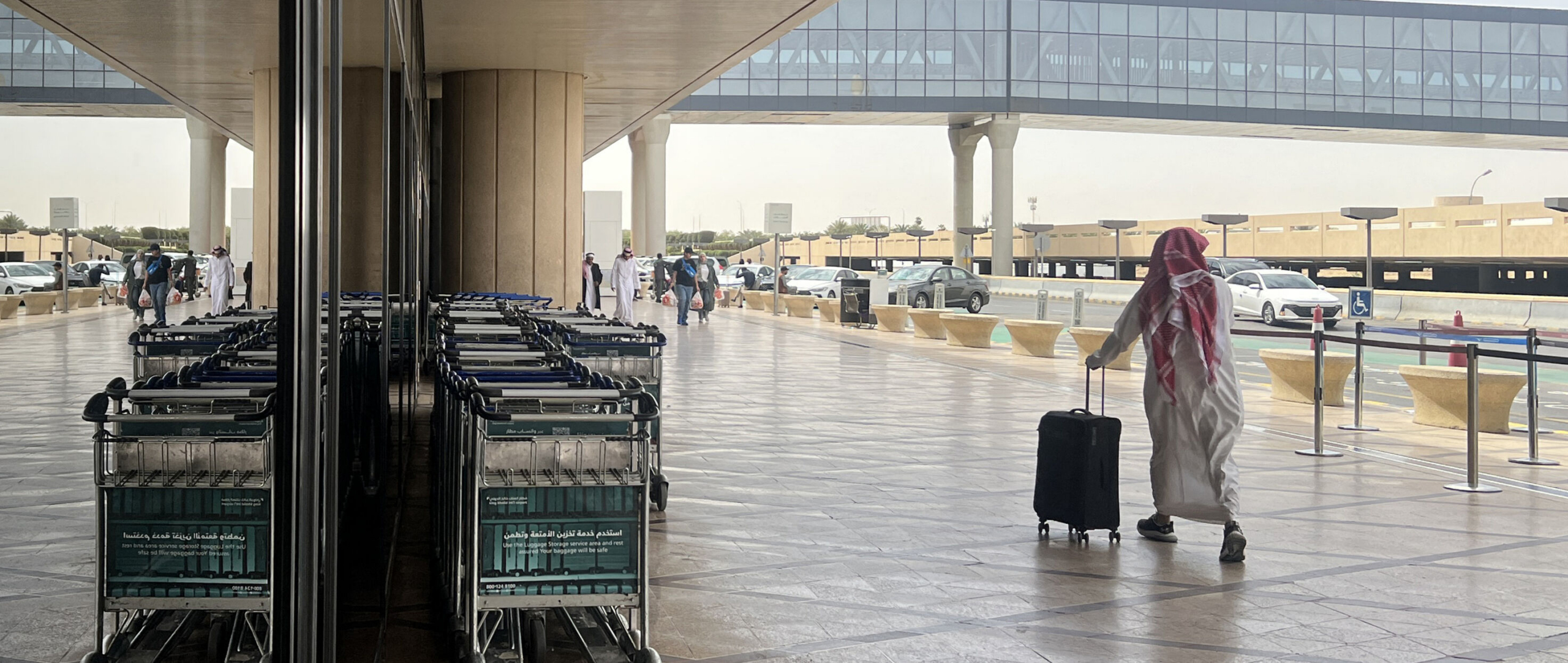
Visitors to Saudi Arabia, whether for leisure or religious purposes like Hajj and Umrah, should be aware of the severe risks associated with their social media activities. Reports from Amnesty International and ALQST reveal that individuals traveling to the Kingdom could face detention, unfair trials, and lengthy prison sentences due to their online expressions, including posts made before their arrival in the country.
Risks of Detention for Social Media Use
Research conducted by Amnesty International and ALQST highlights a troubling pattern of arrests targeting visitors, particularly those from the Global South and the Middle East. From July 2022 to late 2025, there have been cases reported involving nine individuals apprehended while in Saudi Arabia for social media posts. Of those, four were there for religious pilgrimages, while five were on tourist or family visits. Many faced immediate detention upon arrival, during their stay, or even while leaving the country. Interrogations often revolved around their online activities, leading to arbitrary detention and severely flawed judicial proceedings.
A Climate of Fear and Repression
As Saudi Arabia endeavors to portray itself as an open and inviting destination for international travelers under its Vision 2030 plan, the reality is starkly different. Bissan Fakih, a MENA Campaigner at Amnesty International, emphasizes that tourists are being arrested for simply exercising their right to free speech. This contradiction reveals a climate of fear nurtured by harsh governmental repression. Nadyeen Abdulaziz from ALQST confirms that even the suppression of speech traditionally directed at citizens has extended to foreign visitors, painting a grim picture of the human rights situation in the Kingdom.
Legal Violations and Lack of Transparency
The process for those detained has often been fraught with violations of due process. Detainees frequently find themselves signing documents in a language they do not understand, and many have reported inadequate living conditions during their detention. Cases are handled in a non-transparent manner, with authorities denying access to legal representation and family communications, amplifying the distress faced by detainees and their families.
Furthermore, the punitive measures for social media posts can be severe. Individuals can face prison sentences not only for their expressions but also for implications of these expressions, often classified as “terroristic” under vague domestic laws. Ahmed al-Doush and Amr Abdelfattah are notable examples; both were detained for expressing opinions online. Their conditions illustrate the extreme lengths the Saudi government will go to silence dissent, even from those who are merely visiting.
Call to Action for Foreign Governments
Amnesty International and ALQST urge foreign governments to pressure Saudi Arabia to end its crackdown on free expression and to advocate for the immediate release of those unjustly detained. It is essential for foreign ministries to revise travel advisories to alert potential visitors about these risks. As Saudi Arabia aims for a massive influx of 150 million tourists by 2030, the call for awareness is critical. The potential hosting of major events like Expo 2030 and the World Cup in 2034 demands that tourists understand the legal terrain they might navigate.
In summary, as the Kingdom pushes its tourism agenda, the grim reality behind the scenes cannot be overlooked. The cases of detained visitors underscore the importance of freedom of expression and due process, and serve as a stark warning for any potential traveler to the region. Saudi Arabia’s pressing need for economic diversification must not come at the expense of human rights, and it is the responsibility of the international community to hold the Kingdom accountable.