
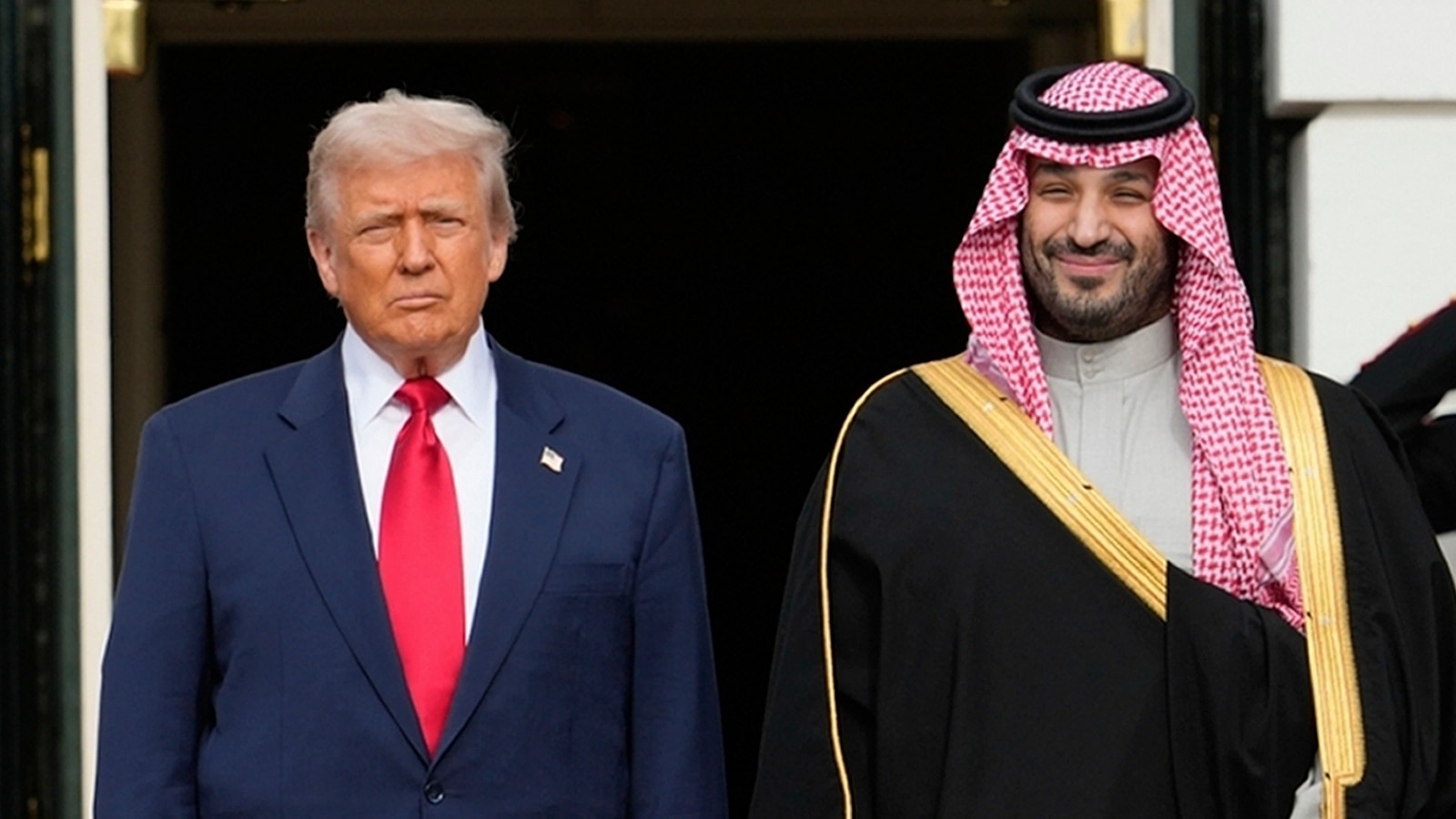
President Donald Trump has recently submitted a significant nuclear energy agreement with Saudi Arabia to Congress. This deal, however, is contingent upon Saudi Arabia joining the Abraham Accords, as stated by a Trump administration representative to ABC News.
The Details of the Nuclear Agreement
The U.S.-Saudi nuclear energy agreement was officially finalized on July 22 and received the signatures of U.S. Energy Secretary Chris Wright and Saudi Energy Minister Prince Abdulaziz bin Salman. Under the provisions of this agreement, the United States will collaborate with Saudi Arabia to develop its civil nuclear energy sector. According to previous disclosures from U.S. officials, the deal raises the possibility that Saudi Arabia could eventually pursue uranium enrichment domestically—a move that could spark international concerns over nuclear weapons potential. However, Trump has insisted that the agreement includes safeguards that prevent such enrichment, emphasizing that “There will be no enrichment of material!”
Congressional Review Process
Following its finalization, the agreement was transmitted to Congress, which has a review period of 90 continuous days, as outlined in Section 123 of the U.S. Atomic Energy Act. Both the Senate Foreign Relations Committee and the House Foreign Affairs Committee are tasked with assessing the terms of the deal. Historically, this review process can be paused, a maneuver that has been employed in previous agreements. As of now, it remains ambiguous why the administration opted to transmit the agreement text to Congress after such a delay, especially given that there have been no public confirmations from Saudi Arabia regarding participation in the Abraham Accords.
Implications for U.S.-Saudi Relations
The nuclear agreement also has broader geopolitical implications, particularly in the context of U.S.-Saudi relations and the ongoing regional dynamics in the Middle East. Trump’s last-minute stipulation about Saudi Arabia’s involvement in the Abraham Accords complicates the situation significantly. For Saudi Arabia, normalizing relations with Israel would mark a monumental shift in its diplomatic stance, which has historically been tied to the Palestinian statehood question. The insistence on this condition indicates that the administration is not only interested in advancing nuclear energy cooperation but also in transforming the relationships within the region.
Immediate Reactions and Future Outlook
Although the exact timing of the announcement remains puzzling, it reflects a keen interest from the U.S. to foster a partnership with Saudi Arabia in nuclear energy, while also navigating the complex political landscape in the region. Whether Saudi Arabia will accept the condition of joining the Abraham Accords is unclear, but this stipulation remains a pivotal factor in the advancement of the nuclear deal.
The tension surrounding uranium enrichment and the potential for nuclear proliferation adds another layer of complexity to this agreement. As stakeholders assess the ramifications, it will be crucial to monitor Saudi Arabia’s response to Trump’s conditions, as well as the impact of U.S. legislative scrutiny on the future of this critical energy partnership.