
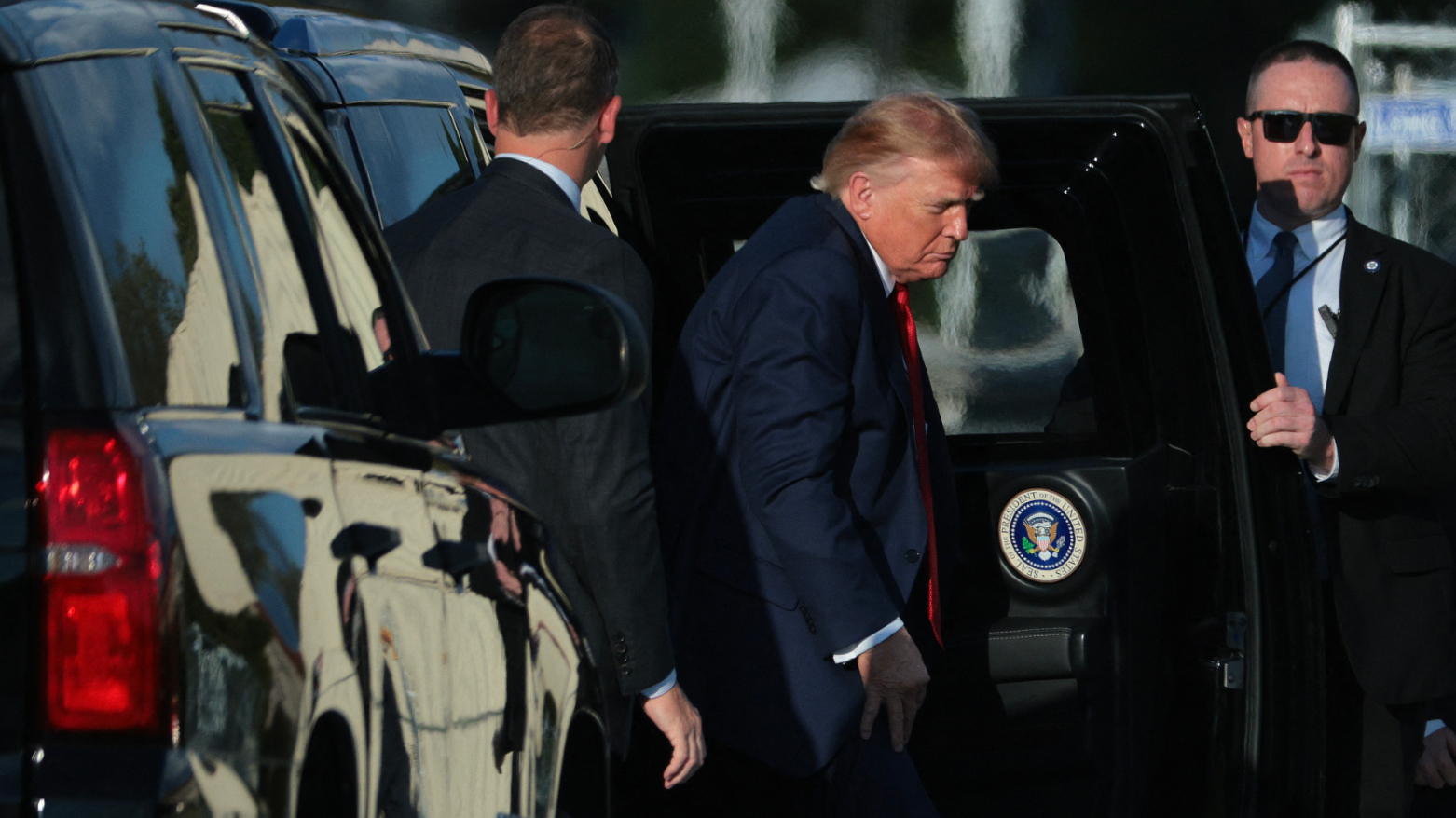
US President Donald Trump recently stated that the Houthi movement in Yemen has pledged not to attack American forces. This assertion comes at a time when the Iran-aligned group is ramping up its military actions against Saudi Arabia, a key ally of the United States. Trump’s comments shed light on ongoing diplomatic communications between Washington and the Houthis, despite the escalating situation in the region.
US-Houthi Communications Amid Escalating Conflict
During a conversation with Fox News correspondent Trey Yingst, President Trump emphasized the consistent dialogue maintained with the Houthis. He mentioned that the group has expressed a desire to avoid confrontation with the United States. “The Houthis called us, and they don’t want to fight with us,” he remarked previously during a trip to Ireland. Trump’s assurance is notable as the Houthis intensify their military campaign against Saudi Arabia, which continues to raise alarms regarding stability in the region.
In recent developments, the conflict has escalated sharply, with the Houthis launching a ballistic missile towards Riyadh, marking a significant uptick in hostilities. Although Saudi authorities reported intercepting the missile, the attack amplifies concerns over the Houthis’ capabilities and intentions. The situation has prompted warnings from the US State Department, which cautioned that the fighting could “escalate rapidly.”
Regional Tensions and Security Concerns
The hostilities are underscored by the Houthis’ advances within Yemen, where they have captured additional territory along the Red Sea coastline. These actions have sparked international apprehension regarding the security of the Bab al-Mandab Strait, a vital maritime route linking the Red Sea to the Gulf of Aden. The implications of these developments are far-reaching, as they may disrupt global energy supplies and maritime trade, particularly in light of existing tensions around the Strait of Hormuz.
The Houthis have also announced a naval blockade and increased their attacks on Saudi-linked vessels and infrastructure. This escalation not only threatens regional stability but could have cascading effects on international commerce, further exacerbating the ongoing crises in the broader Middle East.
Potential US Response and Regional Dynamics
In response to the growing tensions, President Trump has hinted at upcoming actions concerning Iran. Yingst reported that Trump mentioned “big things will be happening in the not so distant future,” indicating consideration of further measures against Tehran. As the situation unfolds, the dynamics between the US, Iran, and Saudi Arabia remain complex and fraught with historical enmity.
Meanwhile, Turkish Foreign Minister Hakan Fidan indicated that discussions around the situation have occurred among Turkey, Saudi Arabia, and Pakistan. There are suggestions that Turkey might respond to military requests from Saudi Arabia under newly established defense frameworks. Such involvement could further entangle regional powers in the ongoing conflict and amplify the already shaky security landscape.
The worsening confrontation between Saudi Arabia and the Houthis adds another layer of volatility to the Middle East. With fighting intensifying in Yemen, alongside evaluations on maritime security in key areas like the Bab al-Mandab Strait, the risks for global shipping and energy supplies are rising steeply. The current climate underscores the urgent need for diplomatic efforts to navigate these challenging waters, lest the unrest escalate further and engulf the region in wider conflict.