
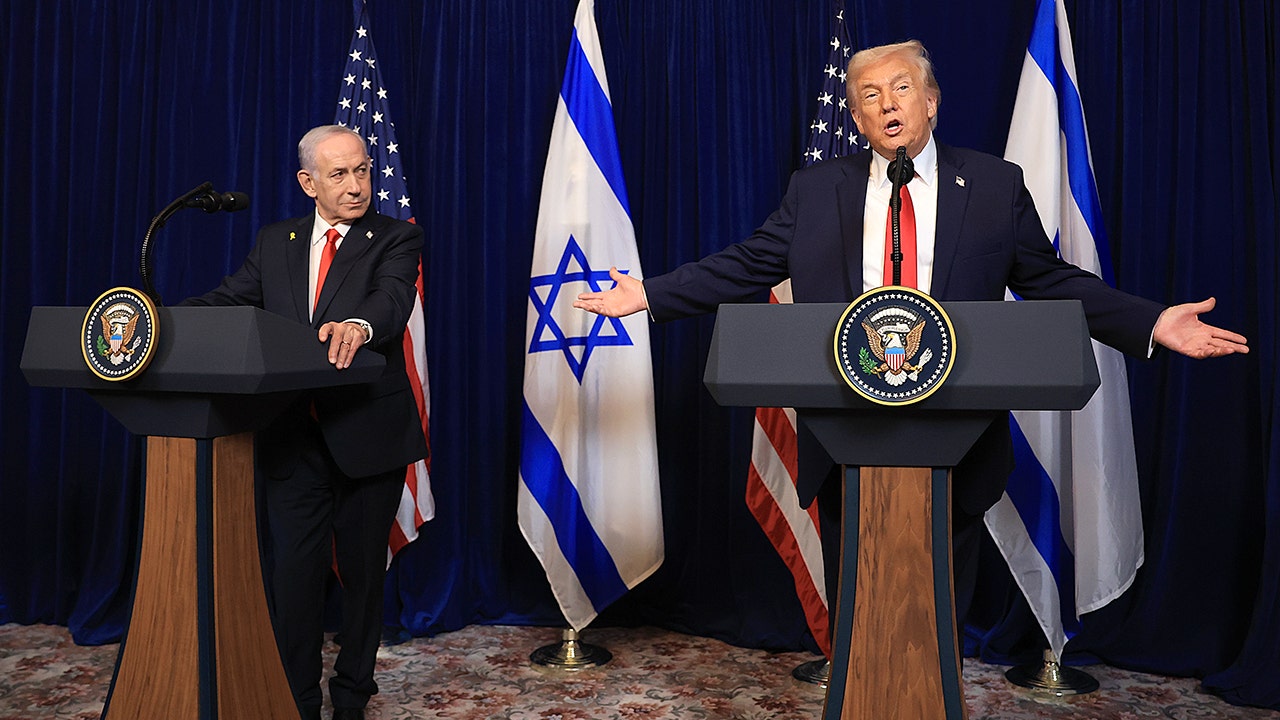
President Donald Trump is calling on Muslim-majority nations to engage with the Abraham Accords if they wish to partake in a developing agreement concerning Iran. This move highlights his ongoing efforts to reshape relationships in the Middle East. The Abraham Accords represent a suite of agreements designed to foster diplomatic ties between Israel and several Arab countries, with the intent of promoting peace and stability in the region.
Trump’s Diplomatic Push
In a statement made over the weekend, Trump revealed that he reached out to leaders from Saudi Arabia, Qatar, Egypt, Pakistan, Turkey, and Jordan, urging them to normalize relations with Israel. He asserted that given the United States’ substantial efforts to address complex regional dynamics, it should be a priority for these nations to join the Abraham Accords simultaneously. Trump’s proposal emphasizes his vision of a more unified front among Middle Eastern nations in pursuit of peace.
The president’s remarks were shared on Truth Social, where he noted, “It should be mandatory that all of these countries… sign onto the Abraham Accords.” His assertive approach suggests that he views the Accords as a necessary precondition for any future agreements concerning Iran. This move is indicative of an administration eager to cement its diplomatic legacy while navigating the murky waters of Middle Eastern politics.
The Importance of the Abraham Accords
The Abraham Accords serve as a pivotal part of U.S. foreign policy in the region, having first seen signatures from the UAE and Bahrain in 2020. These agreements aim to transform historical hostilities into productive cooperation. Trump is currently advocating for additional nations to join this framework, underscoring the potential for improved cross-border relationships in a historically tumultuous region.
Notably, Trump’s vision even includes the possibility of Iran joining the Accords in the future. He expressed optimism that leaders from several Islamic nations would be enthusiastic about Iran becoming part of this collective agreement following the signing of a new document. Such an extension would be a remarkable shift, given the longstanding tensions that have existed between Iran and other Middle Eastern nations.
Regional Reactions and Future Outlook
As Trump continues these outreach efforts, he also mentioned plans to engage with leaders from the UAE and Bahrain, while suggesting that discussions surrounding Iran’s role could be viable possibilities. However, U.S. and Israeli officials anticipate that movement towards further normalization will likely be slow, especially ahead of Israel’s elections slated for September. They acknowledge that the political landscape can significantly impact the pace of these diplomatic initiatives.
In conclusion, as Trump ramps up pressure on Muslim-majority countries to align with the Abraham Accords, he is simultaneously highlighting the intricate web of relationships in the region. The outcome of this diplomatic push may very well shape the future dynamics of Middle Eastern relations, particularly concerning Iran’s place within this evolving narrative. The coming months will be crucial in determining how these negotiations unfold and what impact they may have on longstanding regional tensions.