
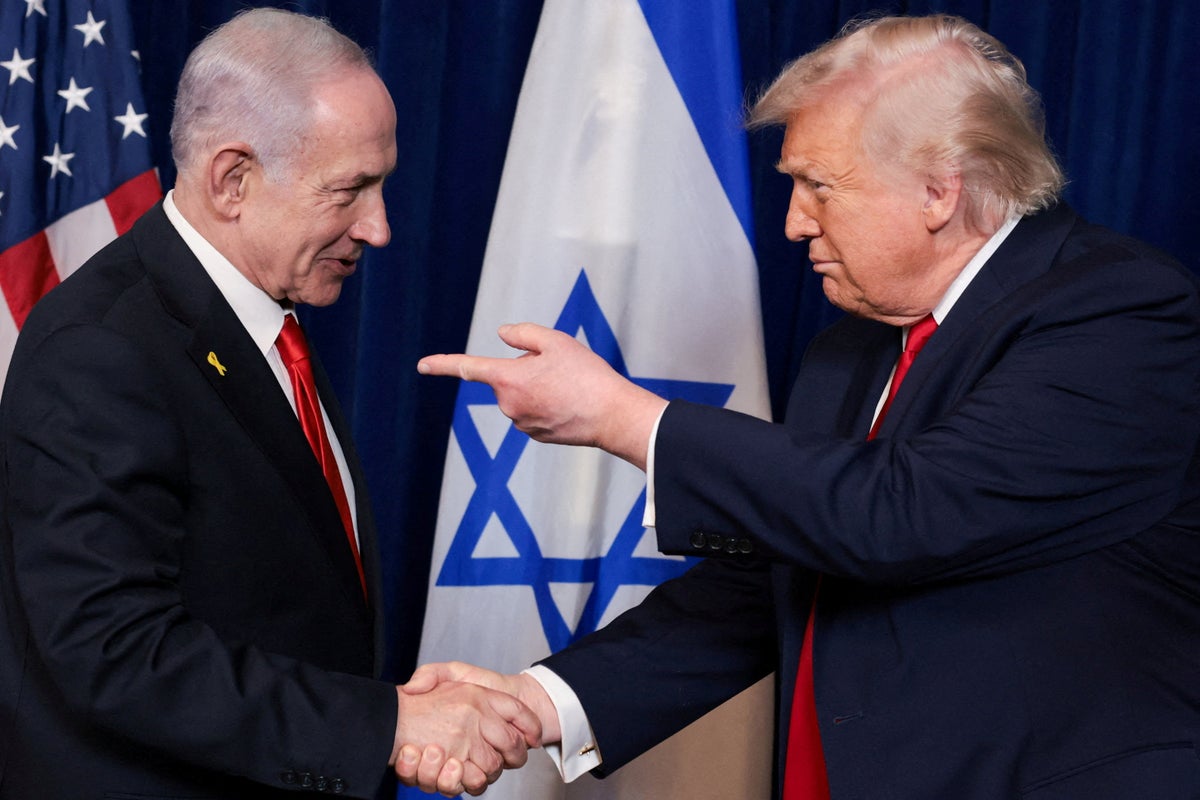
President Donald Trump is urging several Middle Eastern nations to join the Abraham Accords as part of a broader strategy aimed at negotiating a deal with Iran. This diplomatic arrangement is intended to normalize relations between Israel and various Arab states, but opinions on the practical implications of Trump’s push vary widely.
Trump’s Push for Accords in the Middle East
In a recent communication on Truth Social, Trump revealed that he had discussions with leaders from multiple countries about the potential for their participation in the Abraham Accords. He stated that it should be “mandatory” for these nations to endorse the accords simultaneously, claiming it demonstrates favorable intent toward peace initiatives. Trump specifically mentioned nations like Saudi Arabia, Qatar, and Türkiye as key players that should take part.
Critics, however, view this move with skepticism. They argue that Trump is merely substituting one unattainable goal for another and that such efforts may not resolve the complex geopolitical tensions surrounding the prospect of peace with Iran. Commentators suggest that Trump’s insistence on the accords could be an attempt to bolster a peace agreement that many already mistrust.
Historical Context and Current Dynamics
The original Abraham Accords were established during Trump’s presidency, with the United Arab Emirates and Bahrain being the pioneering countries to recognize Israel after decades of apprehension. Trump cited significant economic and social benefits resulting from these agreements and claimed that the new alliances could usher in stability in the region. Morocco and Sudan also joined in this initiative in subsequent years.
Despite Trump’s enthusiastic assertions, several nations on the list have previously expressed reluctance to recognize Israel. Pakistan has already made it clear that its stance is contingent on the establishment of an independent Palestinian state. Moreover, public perceptions of Israel in predominantly Muslim countries remain negative, amplified by Israel’s military actions in Gaza.
The Challenges Ahead
Many experts highlight that Trump’s approach faces substantial hurdles. Nations like Egypt, Jordan, and Turkey possess existing diplomatic ties with Israel but have experienced strained relations due to the ongoing Gaza conflict. Moreover, Trump’s recent claims of making progress toward a deal with Iran have been tempered by a cautious stance, emphasizing that there is “no rush” to finalize the negotiations.
The notion of framing an Iran deal as a sequel to the Abraham Accords has drawn criticism from political analysts. Some argue this strategy is merely a distraction from deeper issues, suggesting that flexibly negotiating with Iran might not create the desired stability in the Middle East. The dynamics of the region are complicated, with countries grappling with their public sentiment toward Israel and the ongoing conflict affecting relations on multiple fronts.
As Trump seeks to address growing discontent regarding U.S. involvement in the war, it remains uncertain whether advocating the inclusion of additional nations in the Abraham Accords will assuage domestic opposition. Critics, including some figures within his own party, remain cautious about the potential ramifications of offering Iran a deal that could be perceived as enabling its actions in the region.
In summary, Trump’s push for Middle Eastern countries to join the Abraham Accords is a complex endeavor marked by both ambition and skepticism. Whether this effort will succeed or further complicate diplomatic relationships remains to be seen amidst an evolving geopolitical landscape.