
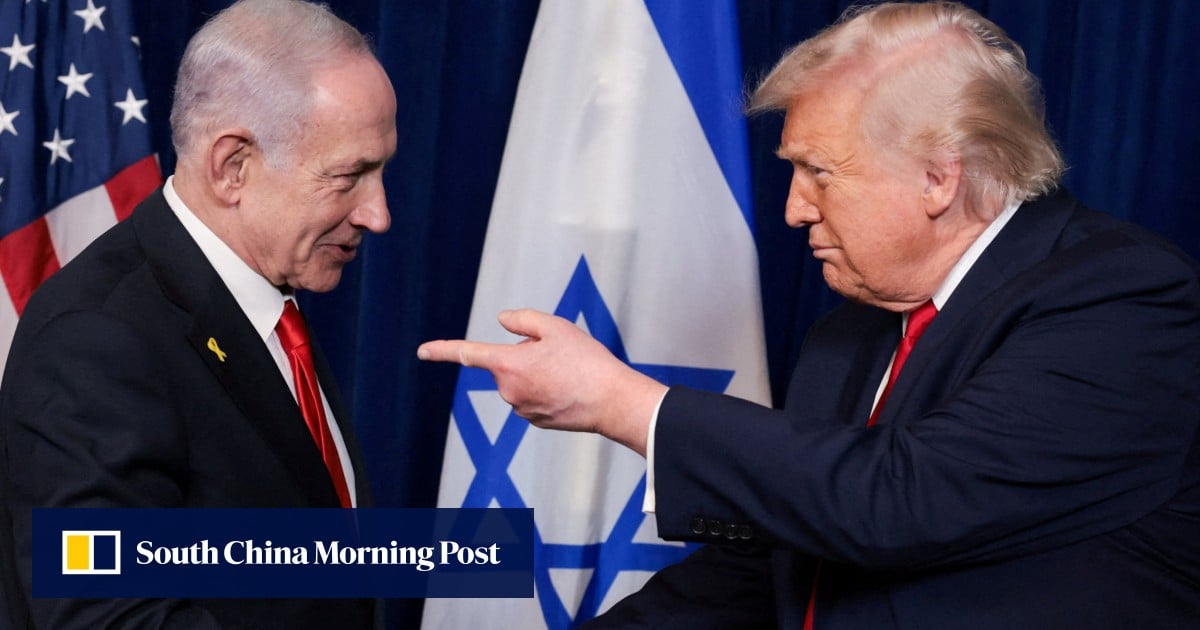
Former US President Donald Trump emphasized on Monday that any future agreement with Iran should incorporate broader participation from several nations, specifically advocating for their inclusion in the Abraham Accords. These accords, established during his presidency, aimed at normalizing relations between Israel and various Arab nations.
Expanding the Abraham Accords
In a recent social media update, Trump indicated that negotiations with Iran are moving forward positively. However, he stipulated that any agreement would be contingent upon the involvement of additional countries in the Abraham Accords, which were initially signed in 2020. His call for extended membership places countries like Saudi Arabia and Turkey at the forefront of these discussions, advocating for their swift inclusion.
During his commentary, Trump identified Saudi Arabia and Qatar as key nations that should be among the first to join. Following them, he suggested that Pakistan, Turkey, Egypt, and Jordan should also be encouraged to participate. The original signatories of the accords included Bahrain and the United Arab Emirates, which were the first to establish their relationship with Israel during Trump’s administration.
The Rationale Behind the Inclusion
Trump expressed that given the extensive efforts the United States has invested in fostering peace in the region, it is essential for these nations to commit collectively to the accords. He stated, “It should be mandatory that all of these countries, at a minimum, simultaneously sign onto the Abraham Accords.” This sentiment underscores the importance he places on a united front in addressing regional tensions and promoting stability.
Highlighting his engagement with other leaders on this topic, Trump noted that he raised the Abraham Accords plan during negotiations held over the weekend. His approach suggests that he views these accords not just as a diplomatic initiative, but as a foundational element for future agreements, particularly concerning Iran.
Potential Implications for Regional Relations
While Trump mentioned he might entertain the idea of “one or two” nations opting out of signing, he maintained that a majority should be inclined to participate. It’s worth noting that Egypt and Jordan already have established formal relationships with Israel, bolstered by enduring peace treaties. Their historical context may serve as a basis for their continued involvement and influence in the evolving landscape of Middle Eastern diplomacy.
In conclusion, Trump’s strategies imply that the expansion of the Abraham Accords could play a pivotal role in redefining relations in the Middle East. By advocating for a multi-nation commitment, he aims to create a more stable framework for addressing not only the Iranian situation but also broader regional dynamics. The potential ramifications of these discussions, if pursued, could reshape diplomatic relations and influence peace-building efforts across the region.