
Saudi Arabia’s Foreign Ministry recently urged all parties involved in the escalating conflict to de-escalate tensions and respect international law. This call for restraint marks the first public statement from any Gulf nation since the current cycle of strikes began over the weekend. The plea coincided with the tragic news that two Filipino crew members aboard the Saudi-flagged tanker Sidr were killed during a projectile attack on August 31. This incident represents the first confirmed fatalities among crew members of a commercial vessel during this renewed wave of conflict.
The Impact of U.S. Military Actions
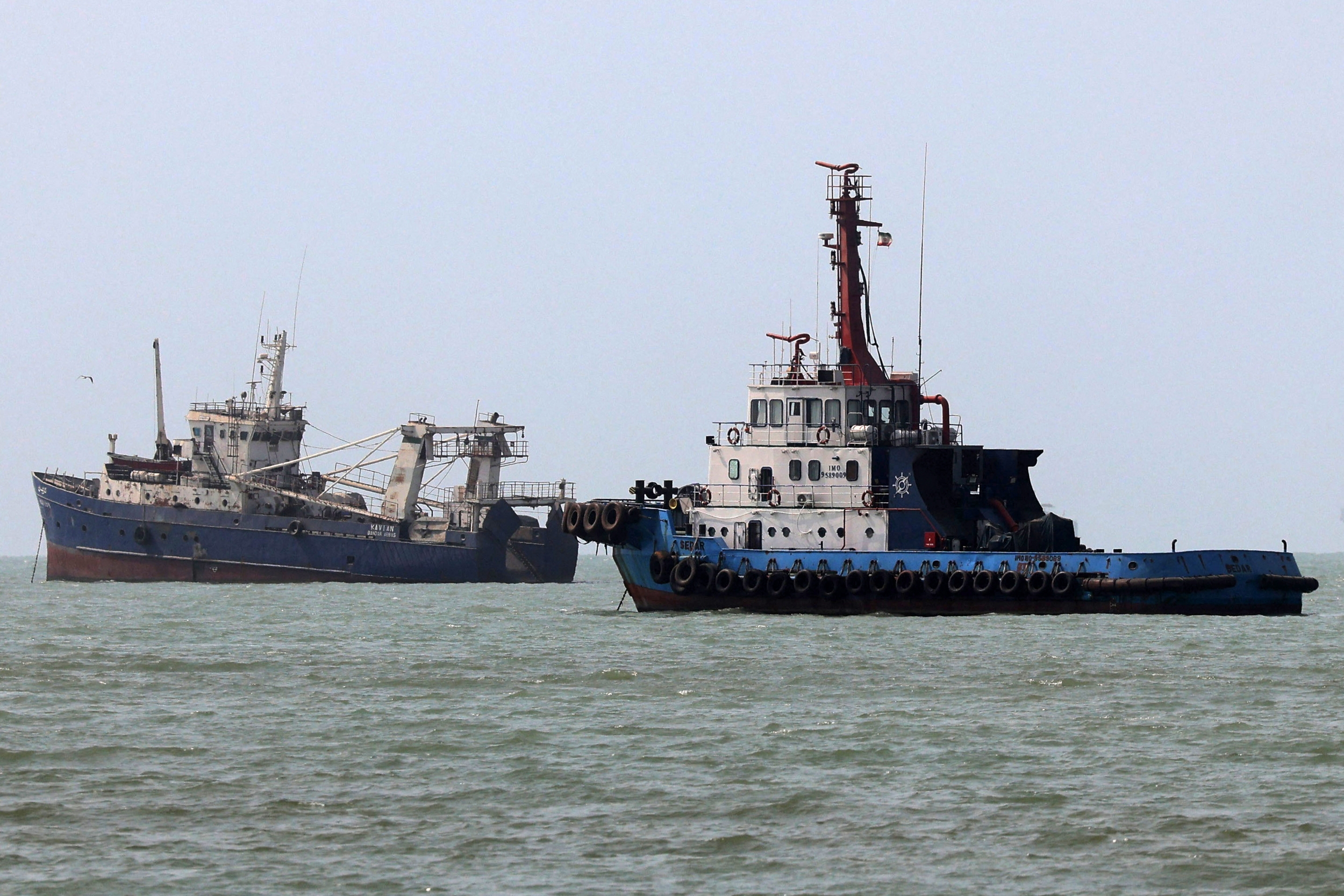
In a significant escalation, U.S. forces targeted Iranian government-owned tankers for the first time since the U.S.-Iran conflict reignited in February. Under a newly adopted “tanker-for-tanker” strategy, approved by President Trump, U.S. drones struck two vessels linked to the Iranian Revolutionary Guard Corps (IRGC) off the Iranian coast. While neither vessel was sunk, both were rendered inoperable. This action conveys a clear message: Iran’s attacks on commercial vessels will elicit direct responses against its maritime assets.
This aggressive tactic is part of a larger military operation that targeted around 100 positions throughout southern Iran, affecting a range of military installations, including IRGC air defenses and patrol capabilities. The scale of the U.S. response signifies a shift from previous engagements, which predominantly focused on land and coastal military sites. U.S. officials described this strategy as an attempt to systematically degrade Iran’s military capabilities before they could threaten commercial shipping lanes further.
Human Costs and Global Implications
The consequences of this escalating conflict became more tangible with the confirmed deaths of the Filipino seafarers from the Sidr, emphasizing the far-reaching human costs of the hostilities. Filipino workers represent a substantial portion of the global maritime labor force, with many serving on commercial vessels worldwide. Thus, the risks associated with navigation through the Strait of Hormuz extend far beyond the immediate countries involved in the conflict.
The ongoing battles have also lead to significant civilian casualties. Following a U.S. strike in Kuhestak that reportedly killed at least four civilians, including a child, Iran retaliated with missile strikes aimed at U.S. military bases across the region. While many of these projectiles were intercepted, the scale demonstrates Iran’s willingness to engage in a broader regional conflict. Both the U.S. and Iranian military actions risk spiraling into greater hostilities, with potential repercussions for international stability.
Diplomatic Efforts and Future Prospects
Despite the increasing hostilities, Saudi Arabia’s call for de-escalation signals a potential opening for diplomatic dialogue amid rising tensions in the region. Saudi Arabia’s approach contrasts with the more aggressive stance of the U.S. and illustrates a desire for coordinated measures that might prevent further escalation and civilian casualties. The situation underscores the delicate balance of international relations in the Gulf, where regional players must navigate complex allegiances and the potential for direct conflict.
As the conflict evolves, the impact on global oil prices and maritime security is significant. Brent crude oil prices stabilized around $95 per barrel, with reports indicating a temporary surge in oil traffic through the strategically vital Strait of Hormuz. Nevertheless, the broader implications of the ongoing conflict could reshape futures of economic interdependence and international law, raising urgent questions about conflict resolution in a volatile region.
As military engagements continue and the human and economic toll rises, the path toward a sustainable peace remains unclear.