
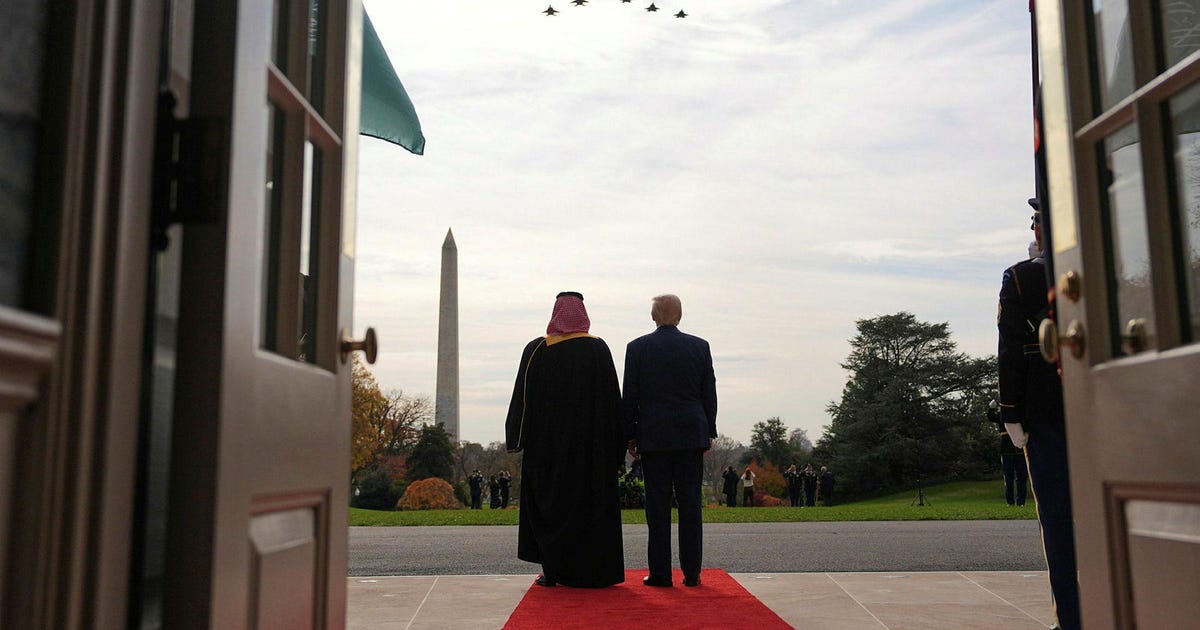
In recent years, Israel’s military landscape has faced significant scrutiny, particularly regarding its air superiority in the region. The ongoing discussions surrounding the recent jet deal have ignited debates among defense analysts and policymakers, as securing a technological edge remains a priority for Israel amidst a complex geopolitical environment.
Concerns Over Regional Air Superiority
The acquisition of new jets has raised alarms about how this will affect Israel’s standing in the arena of air power. As modern combat aircraft can dramatically shift the balance of power, Israeli officials are actively assessing the potential implications for national security. The Israeli government must evaluate whether these new additions might inadvertently reveal sensitive operational capabilities or vulnerabilities to neighboring adversaries.
Commitments from Washington
In light of these concerns, Israeli Prime Minister Benjamin Netanyahu’s office has stated that assurances from Washington will safeguard Israel’s military edge. The United States has long been a critical ally to Israel, and ongoing dialogues about defense agreements aim to reinforce their strategic partnership. As part of this understanding, the U.S. has expressed a commitment to ensuring that Israel maintains qualitative military superiority in the region despite the influx of new aircraft into the hands of other nations.
Expert Opinions on Military Capabilities
Senior Israeli defense officials are weighing in, highlighting that the introduction of advanced airframes could necessitate a shift in tactics and operational strategies. These experts warn that while new capabilities can provide advantages, they also open up channels for adversaries to exploit. Therefore, a robust evaluation of the implications of these acquisitions must accompany any military enhancements to maintain strategic advantages.
Future of Israeli Defense Strategy
As Israel continues to navigate the complexities of its regional defense strategy, it must remain vigilant to technological developments both in its own arsenal and those of its adversaries. Ongoing assessments will be crucial as the geopolitical landscape evolves. Ultimately, the balance of power in the air is not merely determined by numbers but also by the effectiveness of integrated systems, intelligence capabilities, and adaptive strategies that respond to changing threats.
In summary, while the recent jet deal has introduced a level of concern regarding Israel’s national security and air superiority, commitments from allies, expert evaluations, and strategic adjustments can help mitigate potential risks. The primary focus remains on maintaining a cutting-edge capability to assure safety and security in a rapidly changing environment.