
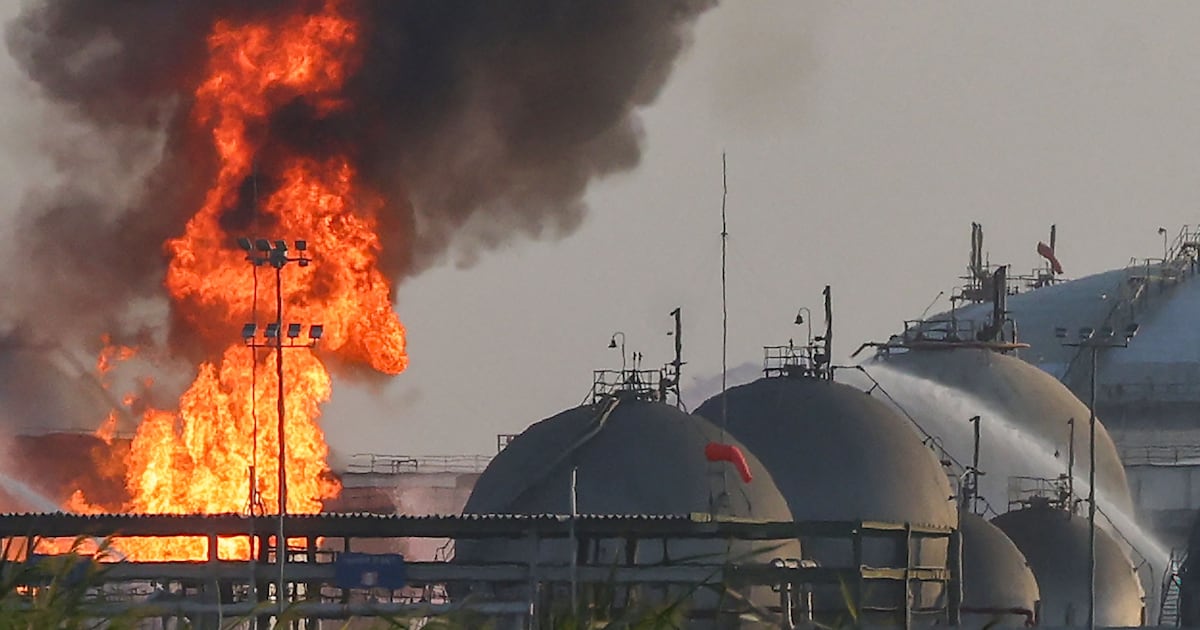
The recent decision by the United States to withdraw non-essential personnel and their families from Saudi Arabia highlights escalating tensions in the region. This move is primarily in response to increasing threats from Houthi forces, who have been launching attacks that pose significant risks to American interests and allies. The withdrawal not only serves as a precautionary measure but also hints at a possible military response to counteract the Houthi aggression supported by Iran.
U.S. Withdrawal: A Strategic Decision
The U.S. government’s order to evacuate staff and their families from Saudi Arabia comes against the backdrop of heightened hostilities. The Houthis, armed and backed by Iran, have intensified their operations, raising alarms within the U.S. administration. This situation necessitates immediate action to ensure the safety and security of American citizens in the region. By prioritizing withdrawal, the U.S. aims to mitigate potential risks stemming from an unpredictable conflict landscape, demonstrating its commitment to the safety of its diplomatic personnel.
Potential Military Response
This withdrawal could also indicate a shift in U.S. military strategy in the region. While immediate military action is not guaranteed, the U.S. has signaled that it will not tolerate Houthi threats against its interests or its allies. The situation has prompted discussions about potential responses, which could range from direct military engagement to strategic airstrikes. The potential for U.S. military involvement underscores the complexities of the geopolitical situation involving Iran, Saudi Arabia, and the Houthis, as any aggressive maneuvers could trigger a broader conflict.
The Broader Implications for Regional Stability
The dynamics in the Middle East have shifted significantly, and this latest development raises concerns about the stability of the region. The U.S. withdrawal could inadvertently embolden the Houthis, giving them a sense of increased power over their operations. Additionally, such moves may instigate reprisals from other regional actors, contributing to a cycle of escalation. Observers are wary of how this may affect ongoing negotiations and ceasefires in the area, as the balance of power remains fragile.
Conclusion: A Cautious Path Forward
As the situation develops, it will be crucial for the U.S. to navigate its next steps carefully. The potential for military action exists, but the complexities of the regional dynamics necessitate a thoughtful approach to avoid further conflict. By evacuating personnel, the U.S. has made a clear statement about its priorities regarding safety and security. As tensions rise, the international community will be closely watching how these events unfold, hoping for a resolution that promotes stability and peace within the volatile landscape of the Middle East.