
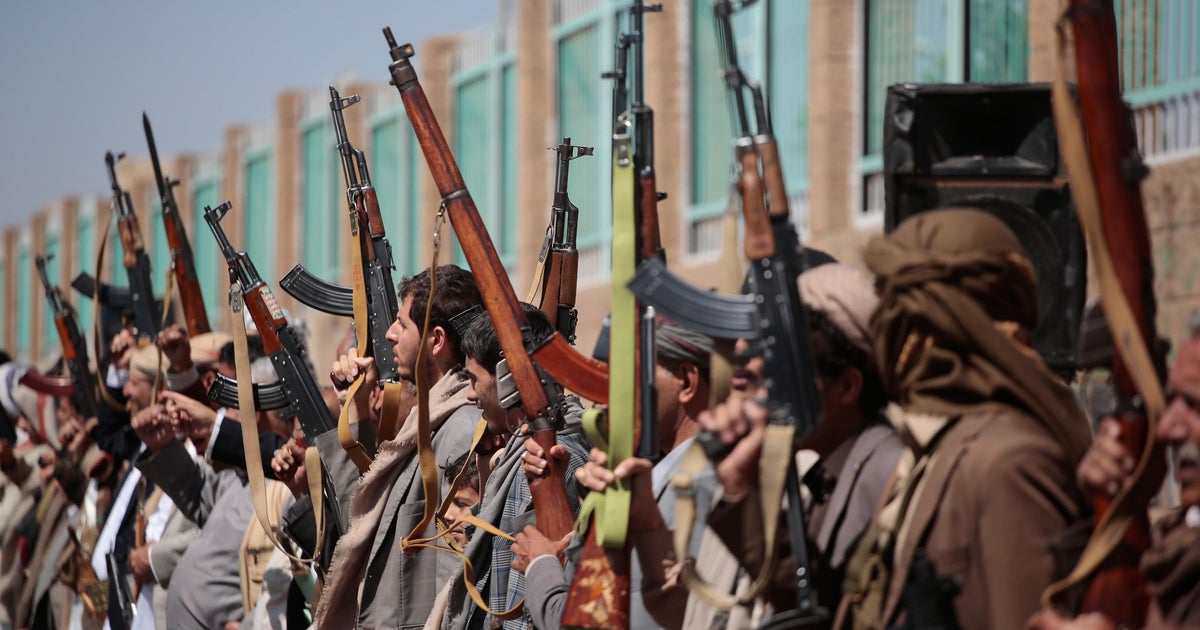
U.S. diplomatic posts across the Middle East have recently issued heightened security warnings to American citizens due to a surge in attacks by Iran-backed Houthi militants on Saudi Arabia. This follows a deadly strike on Riyadh’s international airport on October 10, which resulted in the tragic death of an American citizen.
Widespread Security Alerts Issued
On Sunday, U.S. embassies in several countries, including Saudi Arabia, Bahrain, Qatar, and the United Arab Emirates, highlighted the potential for rapid escalation of hostilities that could impact regions beyond the current conflict zones. The updates emphasized the need for Americans to remain alert and prepare for disruptions in travel, including possible flight cancellations and airspace closures. Edgar Vasquez, the State Department’s deputy assistant secretary for press, stated, “We are actively warning U.S. citizens about the very real threat the Houthis pose and urging them to heed official guidance.” This alert is part of a broader effort to keep Americans informed about security risks, which the department considers a top priority.
Background of the Ongoing Conflict
The U.S. government has maintained strict restrictions on diplomatic operations in parts of the Middle East since hostilities escalated between the U.S., Israel, and Iran earlier this year. These limitations aim to adjust embassy staffing based on security developments, and under a “no double standard” policy, embassies are obligated to share any relevant threat information with American citizens. The recent alerts are also tied to an alarming increase in Houthi missile and drone strikes, particularly targeting Saudi Arabia’s King Khalid International Airport and oil installations owned by Saudi Aramco. The October 10 attack on the airport took a severe toll, claiming at least 13 lives and injuring over 300 individuals.
Escalating Military Threats and Strategic Implications
The Houthi aggression has continued unabated, with reports confirming that a ballistic missile aimed at Riyadh was intercepted by the Saudi-led coalition. This uptick in military confrontations raises concerns about the efficacy of the current U.S. administration’s tactics. While providing intelligence and logistical support to Saudi Arabia, President Trump has resisted calls for direct military interventions, although he has not ruled out future airstrikes. On October 10, Trump mentioned, “We may… We’re going to look at it,” indicating an ongoing evaluation of the situation.
The Houthis have also made significant territorial advancements in Yemen. Recent attacks have resulted in tragic casualties, including the death of two teenage girls and the loss of numerous military recruits in separate incidents. Marwan Ali Noman, Yemen’s political adviser to its foreign minister, cautioned that unless countered, Houthi aggression would likely continue to spread. He urged for greater international assistance, emphasizing that Yemen’s military efforts are crucial not only for local stability but also for regional security.
Requests for Increased Support
In an effort to bolster defenses, Yemen’s government is seeking expanded support from the United States and other nations, particularly in the areas of intelligence-sharing and air defense systems, without requesting ground troop deployments. This plea for assistance coincides with the U.S. administration’s challenge of balancing demands for defense resources from various allies. Secretary of State Marco Rubio recently acknowledged the substantial global demand for air defense weapons, stating, “Every country in the world would like interceptors.” As tensions mount in the region, countries are vying for these crucial defense systems amid a dynamic and uncertain security landscape.