
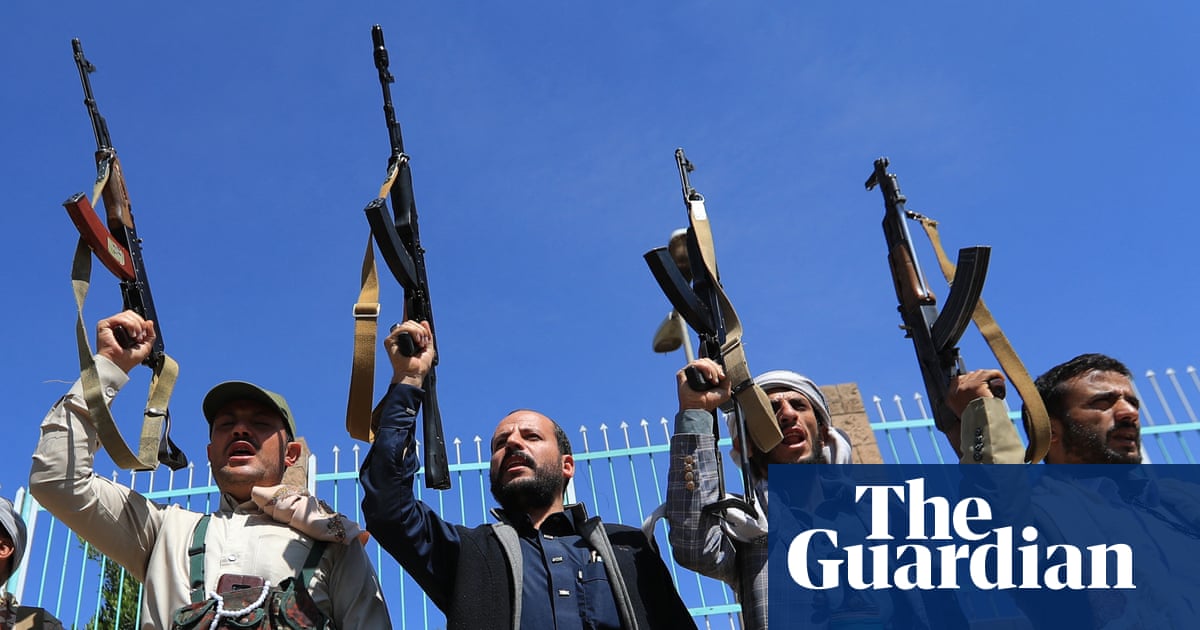
The ongoing conflict in Yemen is poised for a significant shift, as the United Arab Emirates (UAE) has agreed to re-engage in supporting government forces against the Iran-backed Houthis in southern Yemen. This renewed commitment includes financial assistance to certain military factions in exchange for Saudi Arabia providing essential air support. The collaboration marks an important development, suggesting that the previous tensions between the UAE and Saudi Arabia regarding Yemen’s future may be easing, driven primarily by heightened concerns over Houthi advances.
Renewed Cooperation between UAE and Saudi Arabia
The recent agreement signals the start of a potential thaw in the strained relations between the UAE and Saudi Arabia, particularly concerning their strategies in Yemen. The rapid consolidation of Houthi power poses a threat not just to the Yemeni state’s integrity, but also to neighboring Gulf nations. Saudi Arabia faces increasing drone and missile attacks from Houthi forces, which have disrupted daily operations across the kingdom, including at critical airports and energy facilities.
UAE’s involvement in Yemen was significantly reduced earlier this year, following a cessation of its operations. Historically, the UAE had been a key supporter of Southern Yemeni forces, particularly the Giant Brigades, which have proven effective against the Houthis. The recent resumption of financial support aims to bolster these forces and re-establish a strategic presence in the region.
Southern Forces and Future Political Dynamics
The Southern Transitional Council (STC), representing the interests of southern Yemen, remains cautious. A proposed referendum on secession, which would revert the region to its pre-1990 boundaries, has not yet gained traction. Current negotiations do not indicate any willingness from Saudi Arabia or the UAE to facilitate such a vote, leading to significant uncertainties in local political dynamics.
The Yemeni government, formally recognized by the United Nations and based in Aden, recently announced a counteroffensive to retake Sana’a from Houthi control. However, this initiative has yielded limited progress, particularly in the northern frontlines near Marib and the strategically vital Bab al-Mandab strait. Without the STC’s full military backing, the government’s efforts are likely to face more roadblocks than successes.
Recent Attacks Heighten Tensions
The situation escalated dramatically with recent Houthi missile strikes in Aden, narrowly missing a passenger aircraft during takeoff. This incident, which underscores the precariousness of safety in conflict zones, reflects the persistent threat posed by the Houthis, who have not only targeted military installations but also civilian infrastructure. As the situation stands, the Houthis are determined to extend their control over regions like Taiz and Marib, intensifying the need for effective coalition responses.
Parallel to this, regional dynamics are evolving, with nations such as Egypt preparing their military capabilities in support of Saudi Arabia. Egypt’s President Abdel Fattah el-Sisi has called for parliamentary action to defend Saudi interests, stressing that these efforts would not include offensive military operations but rather a strong defensive posture.
International Reactions and Future Implications
Internationally, discussions regarding military support for Saudi Arabia continue, specifically concerning the UK’s involvement. While the UK has provided limited military aid thus far, there are calls for a more robust response to the crisis. Legal concerns surrounding past support for Saudi military actions have drawn scrutiny, particularly after a court ruling rejected previous arms export licenses due to potential violations of humanitarian laws.
With more than 200,000 individuals displaced in the ongoing conflict, urgency grows for humanitarian groups operating in Aden to address the escalating crisis. As political and military alliances shift in Yemen, the broader implications for regional stability and international security will remain under close observation. The evolving situation necessitates careful coordination among involved parties to ensure an effective and humane resolution to the conflict.