
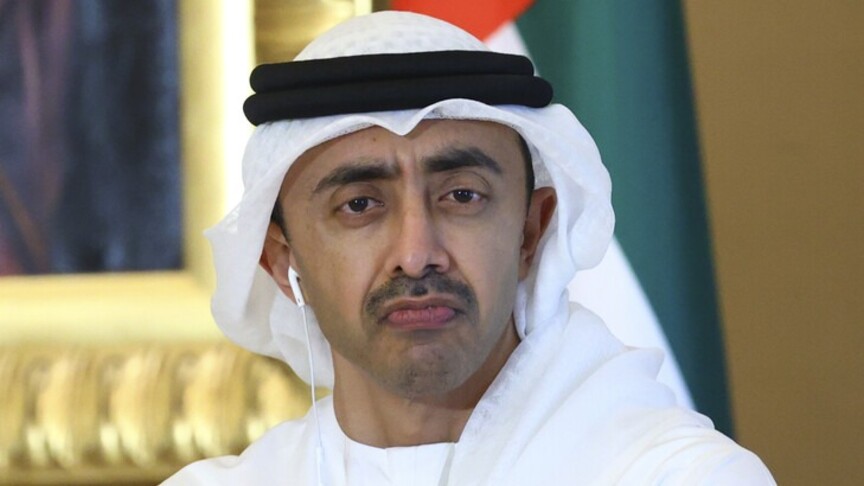
Tensions are rising in the Middle East, prompting urgent discussions among key regional leaders about preventing further conflict. The United Arab Emirates’ Foreign Minister, Abdullah bin Zayed Al Nahyan, is actively engaging with his counterparts in Saudi Arabia and Iraq to address the situation and explore collaborative strategies.
Key Diplomatic Conversations
In a significant phone conversation on Sunday, Minister Abdullah spoke with Saudi Foreign Minister Faisal bin Farhan Al Saud. They reviewed the latest developments affecting the region and discussed measures to mitigate the escalating tensions. The Saudi Foreign Ministry emphasized the necessity for coordinated responses among Gulf nations to ensure security and protect their shared interests.
In another crucial dialogue, Abdullah connected with Iraqi Foreign Minister Fuad Hussein to address pressing issues such as regional security and the ongoing conflicts in Yemen. Their discussion also included Iraq’s relationships with various Gulf states, underscoring the urgency of fostering diplomatic channels to resolve disputes rather than allowing them to spiral into further conflict. Hussein expressed Iraq’s dedication to maintaining regional stability and facilitating dialogue among all parties.
Focused Efforts to Prevent Escalation
The backdrop to these diplomatic engagements involves heightened tensions following recent drone attacks targeting Saudi Arabia’s East-West oil pipeline. Riyadh has asserted that these attacks originated from Iraqi territory, raising alarms about the potential for broader conflict within the region. In response, the Iraqi government has committed to taking immediate measures to ensure its territory is not used as a launching pad for actions that could threaten neighboring countries.
The conversations between the Gulf state leaders are a testament to the shared recognition that the region’s stability relies heavily on cooperative efforts. By prioritizing dialogue and mutual support, these nations aim to avert further escalation and cultivate an environment conducive to peace. Both foreign ministers reaffirmed the critical importance of resolving disputes through diplomatic means, seeking to quell tensions before they escalate into more significant confrontations.
The Path Forward
As regional dynamics continue to evolve, the emphasis on peaceful negotiations and cooperative strategies is essential. The ability of Gulf states to work together in addressing shared challenges will be crucial in steering the region toward a more stable future. The proactive stance taken by both Abdullah and Hussein illustrates a commitment to fostering peace and collaboration, despite the rising challenges.
In conclusion, prioritizing diplomatic interaction and establishing strong communication channels among Gulf states is vital for ensuring long-term security and stability in the Middle East. The recent discussions highlight the importance of unity among nations facing external threats and the shared goals of safeguarding their interests. By embracing dialogue and collaboration, these countries can navigate the complexities of regional politics and work towards a more harmonious future.