
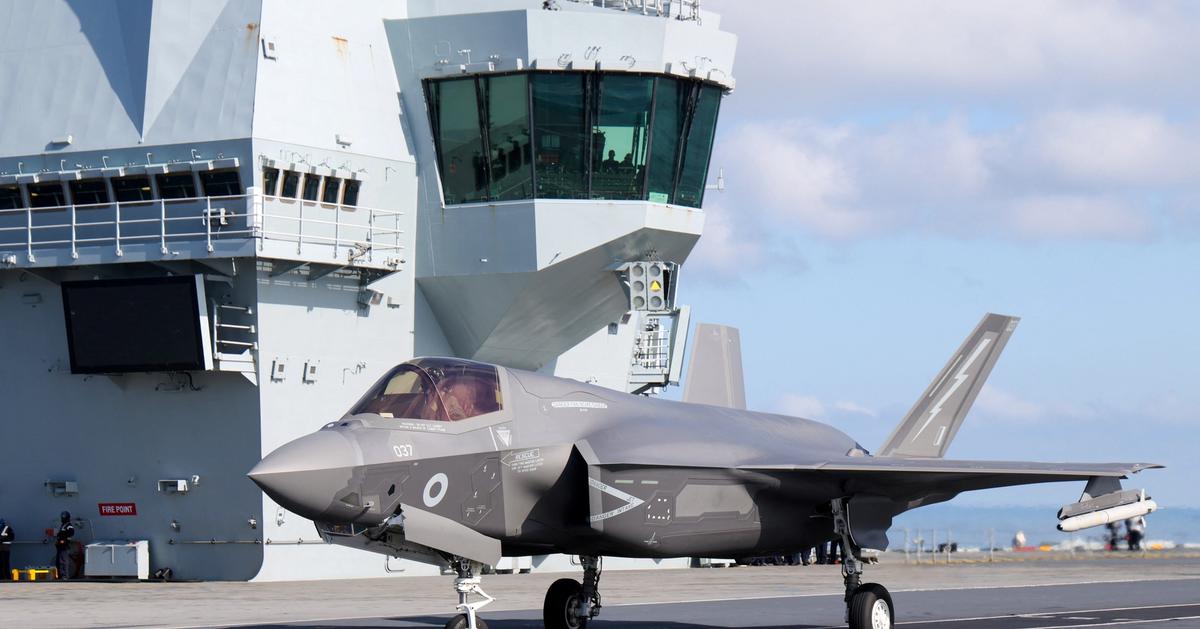
The recent developments between the UK and Saudi Arabia underscore the growing tensions in the Middle East, particularly in light of escalating attacks by Iran-backed Houthis. In response, the UK has announced its decision to deploy fighter jets to Saudi Arabia, aimed at safeguarding the nation’s metropolises and vital infrastructure from these aerial threats.
The UK’s Commitment to Saudi Defense
On Tuesday, the UK government confirmed its commitment to support Saudi Arabia amid increasing security concerns. The deployment of fighter jets comes at a crucial time as the Houthis have ramped up their offensive actions, targeting key sites across the kingdom. This initiative not only aims to bolster Saudi defenses but also reflects the UK’s broader strategy to stabilize the region and ensure safety for its allies.
Saudi Arabia Postpones Investment Conference
In a related turn of events, Saudi Arabia decided to postpone its flagship investment conference. This strategic decision is reflective of the current climate within the kingdom, where Houthis have escalated their attacks on critical infrastructure, including airports and energy facilities. The mounting threat has compelled the Saudi government to reassess its priorities, especially in terms of international engagement and economic commitments.
The Challenges Facing Crown Prince Mohammed Bin Salman
Crown Prince Mohammed Bin Salman is navigating a particularly challenging period, often dubbed his “annus horribilis.” Despite efforts at reforming various sectors, critics argue that the foundational aspects of the Saudi state remain largely unchanged. The country’s economy continues to heavily rely on oil revenues, its military remains predominantly focused on regime protection rather than offensive warfare, and its foreign policy is still significantly intertwined with American support.
The Implications of Regional Instability
The situation highlights the broader implications of instability in the region. The continued threat from the Houthis not only challenges Saudi Arabia’s internal security but also poses risks to global investors who have interests in the kingdom. The uncertainty may lead to a cautious approach towards future investments, particularly from Western nations that are closely monitoring the evolving dynamics.
As tensions remain high and the conflict persists, the ramifications for both local and international stakeholders will be profound. The strategic partnerships forged during these times will shape the future of the region, impacting everything from economic stability to military alliances. The actions taken today will determine the landscape of Middle Eastern geopolitics for years to come.