
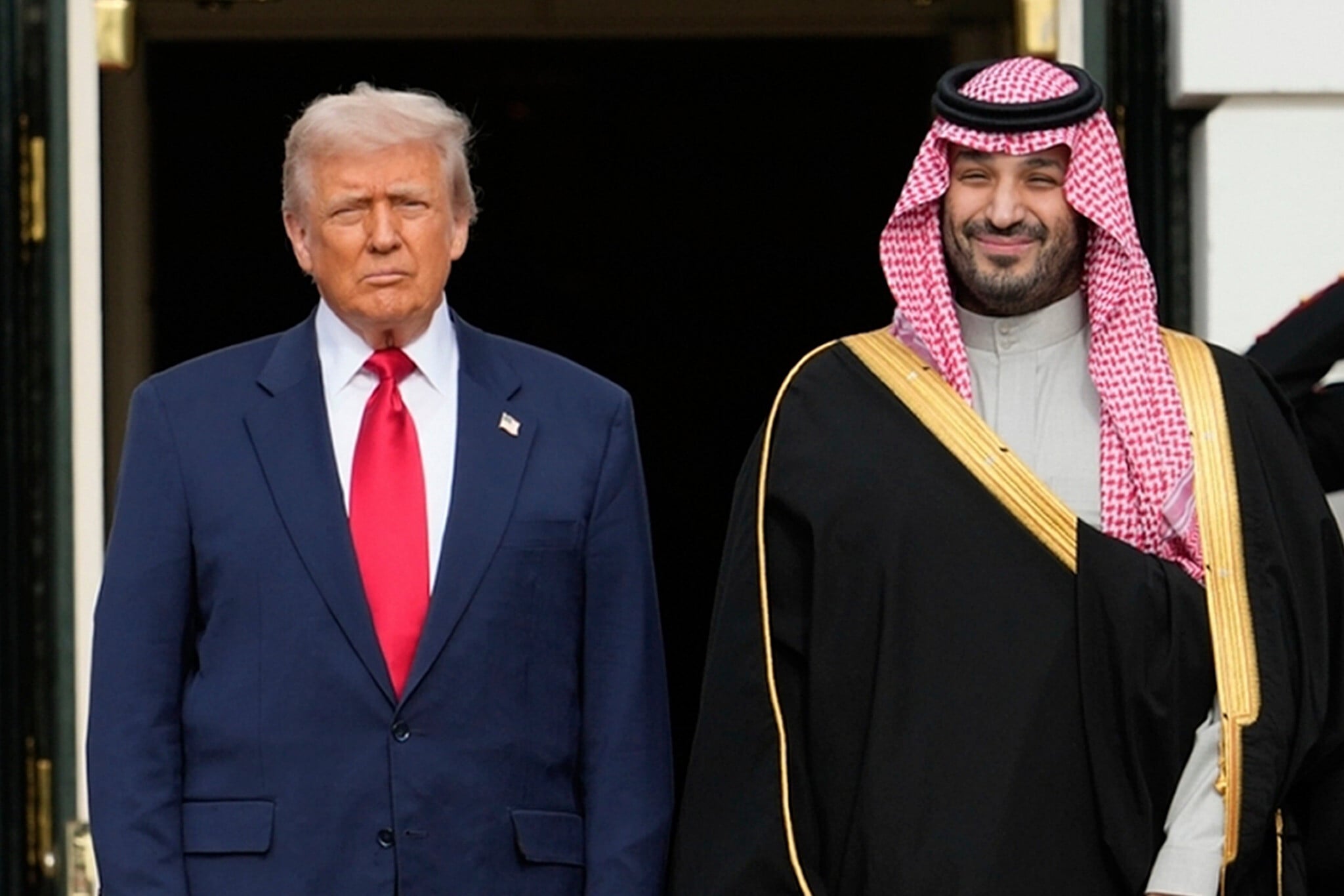
US-Saudi relations have taken a significant downturn in recent months, primarily due to anger in Riyadh over Washington’s military actions against Iran. The escalating conflict has prompted discussions in the US about a possible withdrawal of troops from Saudi Arabia, signaling a troubling shift in a long-standing alliance.
Rising Tensions Over Military Actions
Recent intelligence has confirmed that the relationship between the United States and Saudi Arabia has become increasingly strained due to the US-led war against Iran. A senior intelligence source indicated that Saudi Arabia’s refusal to permit the US to utilize its military bases for Operation Freedom has heightened tensions. This operation aimed to alleviate Iran’s control over the critical shipping lanes in the Strait of Hormuz by escorting stranded vessels. However, without access to Saudi airspace, the mission was unable to proceed, illustrating Riyadh’s growing hesitance to support American military endeavors.
This refusal has led the US to reconsider its military presence in the region, as the White House has issued threats to delay the delivery of vital defense systems. These systems are crucial for protecting Saudi Arabia from Iranian attacks involving drones and missiles. The ongoing discord has compelled Saudi officials to pursue clandestine cooperation for the mission, although they acknowledge that healing the rift in relations will be a slow and complicated process.
Shifting Diplomatic Dynamics
The recent visit by US Secretary of State Marco Rubio to other Gulf states, excluding Saudi Arabia, has been perceived by Riyadh as a diplomatic snub. Moreover, Crown Prince Mohammed bin Salman’s choice to decline an invitation to the G7 summit in France highlighted Saudi dissatisfaction with Washington’s handling of the ongoing conflict. The US had previously ignored Saudi advice against escalating military actions, which the kingdom feared would only exacerbate regional instability and threaten its economic interests.
Initially hesitant, Saudi Arabia and other Gulf states ultimately consented to allow US forces to operate from their territories due to the immediate threat posed by Iranian retaliatory actions. In this context, Riyadh even took measures into its own hands by launching retaliatory strikes against Iranian targets, further complicating the regional landscape.
Push for Diplomatic Solutions
As the conflict intensified, Saudi Arabia began advocating for a diplomatic solution to ease rising tensions. The kingdom expressed particular concern over ongoing Emirati military actions against Iran, fearing these would provoke further Iranian responses that might endanger regional infrastructure. In light of this, Riyadh has actively sought US intervention to temper the UAE’s aggressive stance and promote a more unified approach to peace talks.
Additionally, the Trump administration has faced pressure from Saudi Arabia to lift the blockade on Iranian ports, though the administration remained resistant until a recent ceasefire agreement was reached. This memorandum of understanding, which aims to halt hostilities and reopen the Strait of Hormuz, reflects the complex and shifting nature of US-Saudi relations amid increasing regional tensions.
In summary, the current geopolitical landscape underscores a critical juncture for US-Saudi relations. As Saudi Arabia grapples with the ramifications of US military actions and the overarching need for stability in the region, both nations will need to reassess their strategies to prevent further deterioration of their long-standing alliance. The stakes—both regional and global—remain high as the situation unfolds.