
The recent surge of Houthi attacks on Saudi Arabia has prompted a strong reaction from the United States. This escalation, particularly the strike on King Khalid International Airport in Riyadh that resulted in multiple casualties, has raised concerns about regional security and international relations.
U.S. Condemnation of Houthi Actions
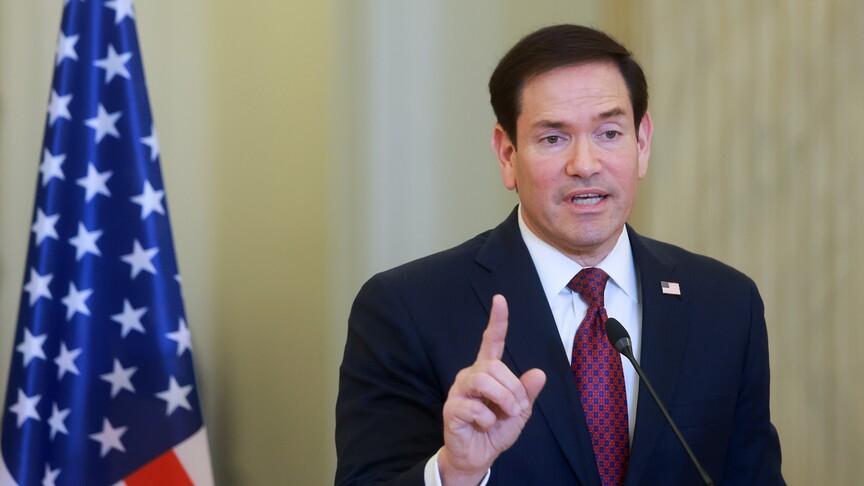
On Saturday, Secretary of State Marco Rubio strongly condemned the Houthi assaults, emphasizing the gravity of the situation. He referred to the recent attack as “reprehensible” and called for an immediate cessation of hostilities. The attacks have claimed numerous innocent lives, including an American citizen, which Rubio highlighted in his statements. The use of violence against civilians, particularly in a place as significant as an international airport, underscores the dire implications for security in the region.
In expressing solidarity with the people of Saudi Arabia, Rubio’s remarks also included heartfelt condolences to those who lost loved ones in the attack. His statements reflect a broader U.S. commitment to support its allies in the face of aggression, underlining that the attacks will not only affect Saudi Arabia but also ripple across international borders.
Reactions from U.S. Leadership
In a separate but related commentary, former President Donald Trump characterized the Houthi attacks as “very bad” and “terrible things.” His remarks came in response to questions from the media at Joint Base Andrews. Trump reaffirmed the capability of the Saudi military, describing the forces as “good fighters” who are “able to defend” themselves against such assaults. This perspective aims to reassure both the American public and international observers of Saudi Arabia’s capacity to withstand external threats.
The implications of these attacks reach beyond immediate military responses; they also highlight the fragile state of peace in the region. The Houthis’ persistent aggression poses significant challenges not just for Saudi Arabia, but also for neighboring countries and the greater geopolitical landscape.
The Need for Immediate Resolution
The escalating violence emphasizes the urgent need for diplomatic efforts to address the underlying conflicts that fuel such hostilities. While military preparedness is crucial, long-term stability will likely hinge on dialogue and negotiation. The United States has a pivotal role to play in facilitating discussions that could lead to a ceasefire and ultimately, a sustainable peace agreement.
In conclusion, the recent Houthi attacks on Saudi Arabia have ignited strong responses from U.S. leadership, calling for an immediate end to violence. As both Secretary of State Marco Rubio and former President Donald Trump express solidarity with Saudi Arabia, the global community watches closely to see how diplomatic strategies will evolve in response to increasing tensions in the Middle East. The path forward involves both addressing immediate threats and fostering a climate conducive to lasting peace.