
Democratic Senators Challenge Nuclear Agreement with Saudi Arabia
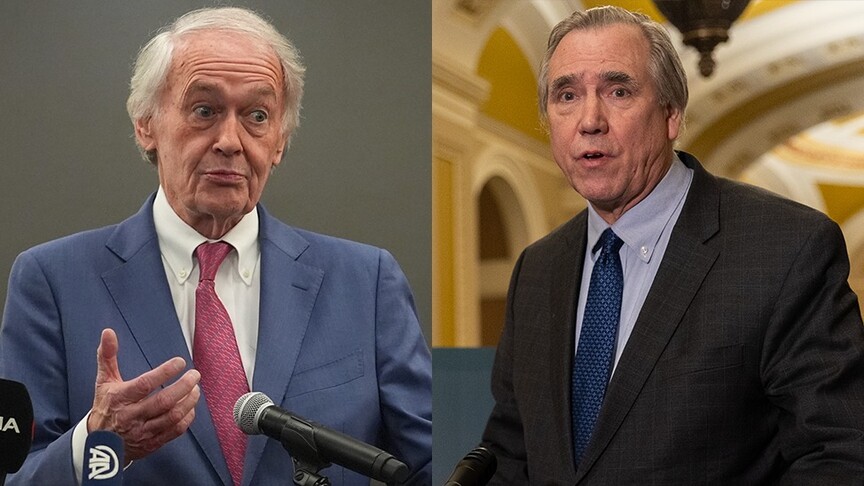
On October 16, 2026, Democratic Senators Jeff Merkley and Edward Markey took significant action against the proposed civilian nuclear cooperation agreement between the Trump administration and Saudi Arabia. They filed a joint resolution aimed at blocking this controversial deal, potentially setting the stage for a Senate vote after November 29.
Understanding the 123 Agreement
The resolution put forward by Senators Merkley and Markey seeks to prevent the implementation of this “123 agreement,” a term derived from Section 123 of the U.S. Atomic Energy Act of 1954. This legislative move provides Congress an opportunity to reject the agreement before it springs into action. Following a 90-day review window, the deal would automatically take effect unless Congress intervenes with a joint resolution of disapproval.
Senator Merkley, who holds a senior position on the Senate Foreign Relations Committee, has voiced strong concerns regarding the proposed agreement’s safety measures. He emphasized that the lack of adequate safeguards raises alarm bells about Saudi Arabia’s potential to repurpose civilian nuclear technology for military use, particularly nuclear weapon development. In his statement, he emphasized the gravity of granting Saudi Arabia access to U.S. nuclear technology without stringent protections in place.
Calls for Enhanced Safeguards
The Senator urged for Saudi Arabia to agree to strict limitations on uranium enrichment and the reprocessing of spent nuclear fuel. These measures, along with robust international inspections, are crucial to ensuring that the agreement does not pave the way for nuclear armament in the Middle East. Merkley’s perspective highlights the critical need for Congressional oversight before the agreement can be enacted.
Markey has also raised serious objections to the agreement, asserting that it falls short of the “gold standard” established by arms control advocates for civilian nuclear cooperation. He remarked that the focus of the U.S.-Saudi deal seems to be on escalating nuclear capabilities rather than purely on peaceful energy generation. Asserting that the deal could heighten the risk of nuclear proliferation in a tumultuous region, he voiced concerns about its long-term implications for global security.
Navigating Congressional Dynamics
This joint resolution comes in response to President Trump’s submission of the nuclear cooperation agreement to Congress in August 2026. The legislative framework allows lawmakers 90 session days to thoroughly evaluate the agreement’s implications. This window provides an essential opportunity for legislators to critically assess the ramifications of facilitating nuclear development in a country that already has a complex geopolitical landscape.
The proposed agreement has generated significant debate among lawmakers and nuclear nonproliferation advocates, particularly due to its potential to allow Saudi Arabia to enrich uranium domestically. Critics argue that this could subsequently amplify the proliferation of nuclear technology in the region, raising tensions further.
Efforts by Merkley and Markey signal a vital push from Democratic lawmakers to ensure that any nuclear agreement embodies stringent safety measures and robust oversight. As this situation evolves, Congress’s action—or inaction—on the resolution would have lasting implications for not only U.S.-Saudi relations but also for global nuclear nonproliferation efforts.