
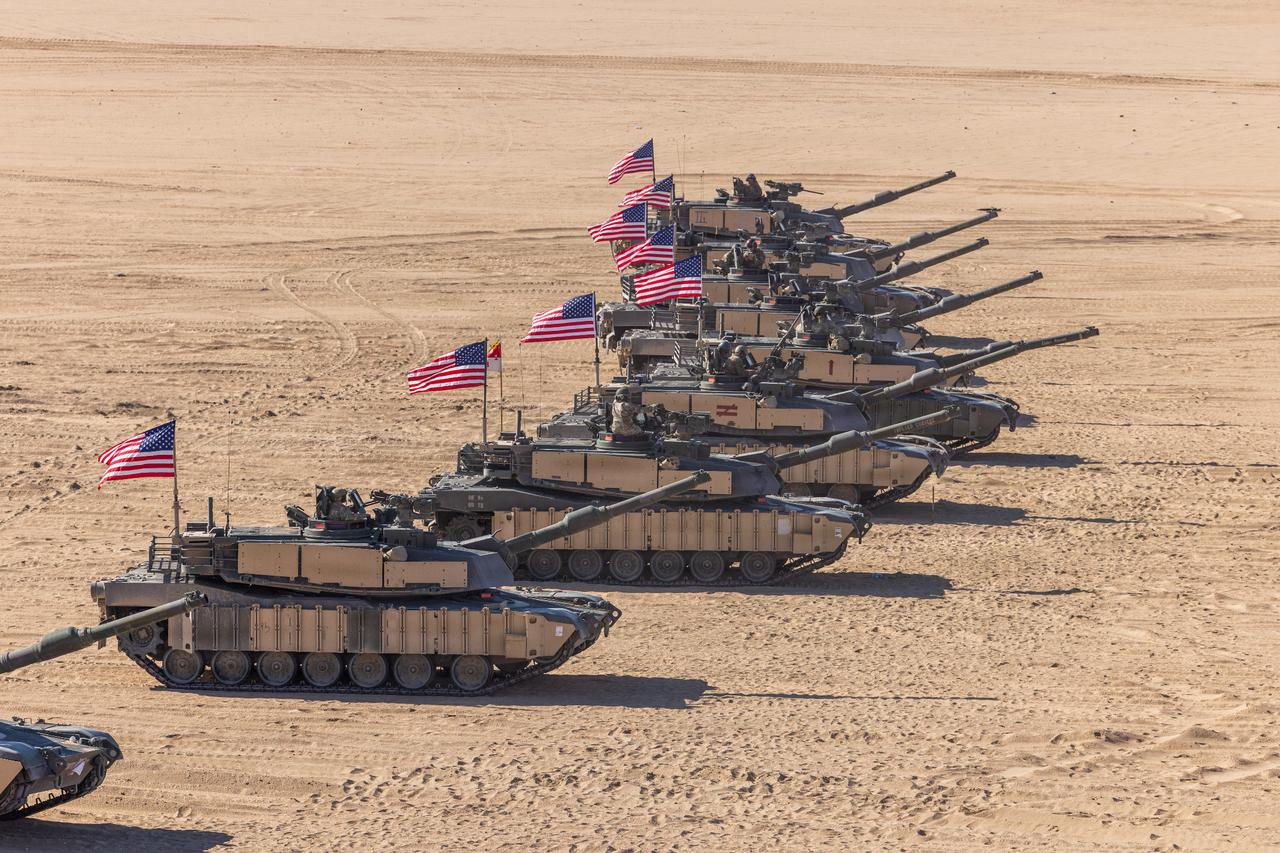
U.S. Secretary of State Marco Rubio recently reaffirmed the Trump administration’s commitment to defense agreements with Saudi Arabia amidst ongoing conflicts with Iran-supported Houthi rebels. In an appearance on Fox News, he stressed the importance of the military pact and indicated that the U.S. prefers to explore diplomatic solutions before resorting to direct military action.
Commitment to Defense Agreements
Rubio emphasized the U.S. is steadfast in fulfilling its defense obligations to Saudi Arabia. “We have a defense agreement with Saudi Arabia. We intend to live up to our commitments on it,” he stated. The U.S. aims to engage in constructive dialogue to resolve the tensions, although Rubio wouldn’t delve into the specifics of ongoing U.S.-Saudi discussions. He described the confrontation with the Houthis as “very dangerous and complicated,” signaling the complexities involved in navigating this regional instability.
The U.S. solidified its defense ties with Saudi Arabia through a Strategic Defense Agreement in November 2025, aiming to enhance deterrence against threats in the Middle East. This partnership has grown increasingly relevant as the Houthis, controlling the entirety of Yemen’s Red Sea coast, continue to threaten Saudi Arabian territories. Their persistent attacks have heightened the need for robust defense strategies, as Saudi forces engage in efforts to combat the Houthi advance.
Yemen’s Leadership Seeks U.S. Support
In a related development, Rashad al-Alimi, the leader of Yemen’s Saudi-backed Presidential Leadership Council, reached out to President Trump, requesting American assistance against the Houthis. Reports indicate that while Trump did not promise military support, the call was seen as a necessary display of solidarity with Yemen. Alimi’s plea followed a recent Houthi attack on Riyadh, the first attempt to strike the Saudi capital in years, underscoring the escalating threat they pose.
Crown Prince Mohammed bin Salman has also reportedly pressed Trump for direct military action against the Houthis, who have consistently targeted Saudi interests since July. According to sources, this ongoing dialogue hints at the urgency Saudi Arabia feels to counter Houthi aggression and maintain stability in the region amid rising tensions.
Military Strategies and Pentagon Divisions
The divide within the Pentagon regarding potential military intervention has added another layer of complexity to the situation. Some military officials advocate for a cautious approach, noting that engaging directly could divert resources from existing commitments in the Middle East, particularly given the current strain on U.S. military supplies. Conversely, others argue that failing to respond could undermine U.S. credibility with regional allies like Saudi Arabia.
Despite Trump having initially ordered military strikes against the Houthis, reports indicate the action was subsequently canceled. The pullback followed an emergency meeting among military leaders who expressed concern about the risks involved. One senior commander warned that engagement could pose significant risks not only to U.S. troops but also to broader regional security.
As it stands, U.S. military advisers are positioned in Saudi Arabia, providing essential intelligence support as the kingdom navigates its military conflict with the Houthis. While Saudi Arabia continues to advocate for increased U.S. involvement, the internal discussions within the Pentagon reflect a cautious approach, balancing the need to deter aggression while ensuring U.S. interests and resources are not overstretched.