
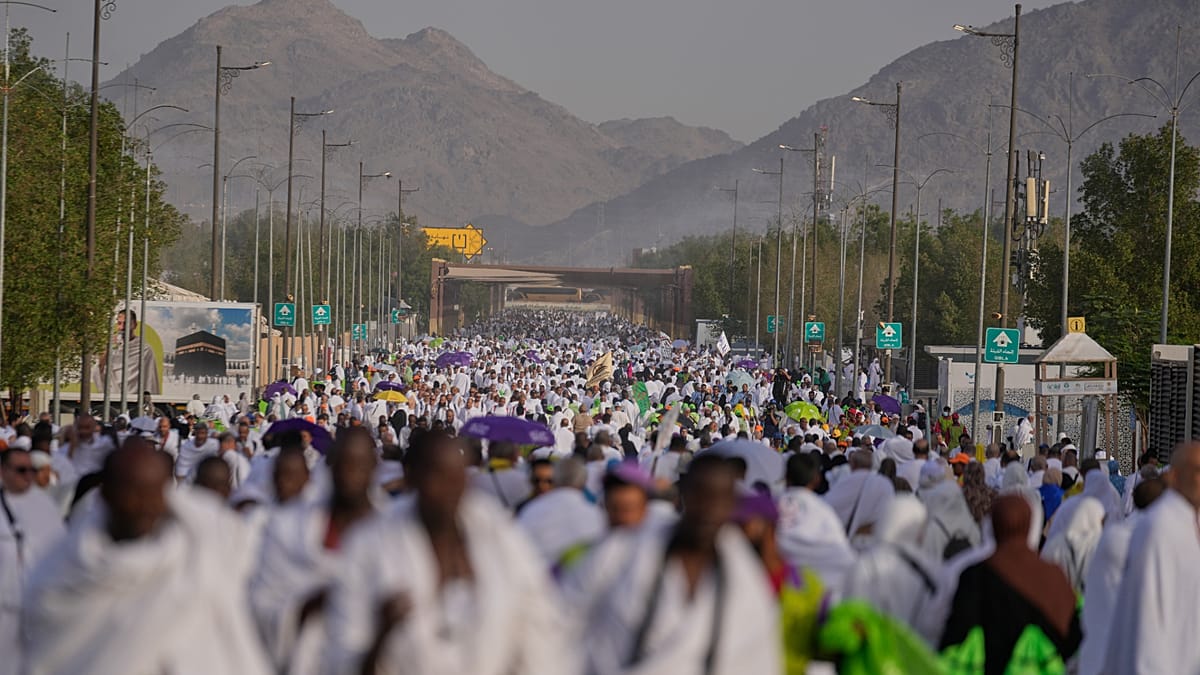
The hajj pilgrimage reached a significant milestone this year with the spiritual gathering on Mount Arafat. On Tuesday, thousands of devotees clad in white robes stood united in prayer on this sacred ground, known for its deep-rooted importance in Islamic faith.
Significance of Mount Arafat in Islamic Tradition
Mount Arafat holds immense spiritual significance, believed to be the site where the Prophet Muhammad delivered his final sermon. This moment serves as a poignant reminder for pilgrims about humility, repentance, and the collective pursuit of divine mercy. The event underscores the unity and equality of all believers before God, regardless of their background or status, echoing the fundamental tenets of Islam.
Managing Crowds and Ensuring Safety
As temperatures climbed at the pilgrimage sites, Saudi authorities enacted comprehensive security and medical measures to safeguard the enormous influx of worshippers. The well-coordinated response was instrumental in managing the large crowds effectively, ensuring that everyone could engage in the solemn rituals without disruption. Emergency services, alongside dedicated medical teams, were strategically placed to respond swiftly to any issues, reflecting the careful planning that goes into this monumental event.
The Rituals Within the Grand Mosque
In Mecca, the fervor continued as worshippers gathered at the Grand Mosque to perform the Tawaf, a key component of the hajj. This ritual involves circling the Kaaba, which is the holiest site in Islam, seven times in a counterclockwise direction. Aerial footage captured the mesmerizing sight of pilgrims moving continuously around this sacred structure, symbolizing their devotion and faith. The sheer magnitude of the crowd illustrates the profound commitment of Muslims worldwide to fulfill this vital religious obligation.
Investments in Infrastructure for Pilgrimage Growth
To accommodate the ever-growing number of pilgrims flocking to the hajj each year, Saudi Arabia has undertaken significant investments in enhancing infrastructure. Billions of euros have been allocated to improve transport networks, implement effective cooling systems, and upgrade crowd management capabilities. These initiatives are crucial for ensuring a smooth and safe pilgrimage experience, highlighting the kingdom’s commitment to serving the faithful.
In conclusion, the hajj pilgrimage is not just an individual journey of faith but a collective expression of spirituality that unites millions around the world. The rituals performed during this time, from standing in prayer on Mount Arafat to the Tawaf at the Grand Mosque, reinforce the shared values of devotion and community within Islam. As the pilgrimage transitions into the celebrations of Eid al-Adha, it also serves as a time for reflection, thanksgiving, and reconnecting with one’s faith. The story of Prophet Ibrahim, commemorated through the stoning of the pillars in Mina, resonates deeply with the themes of sacrifice and obedience that echo throughout the journey.