
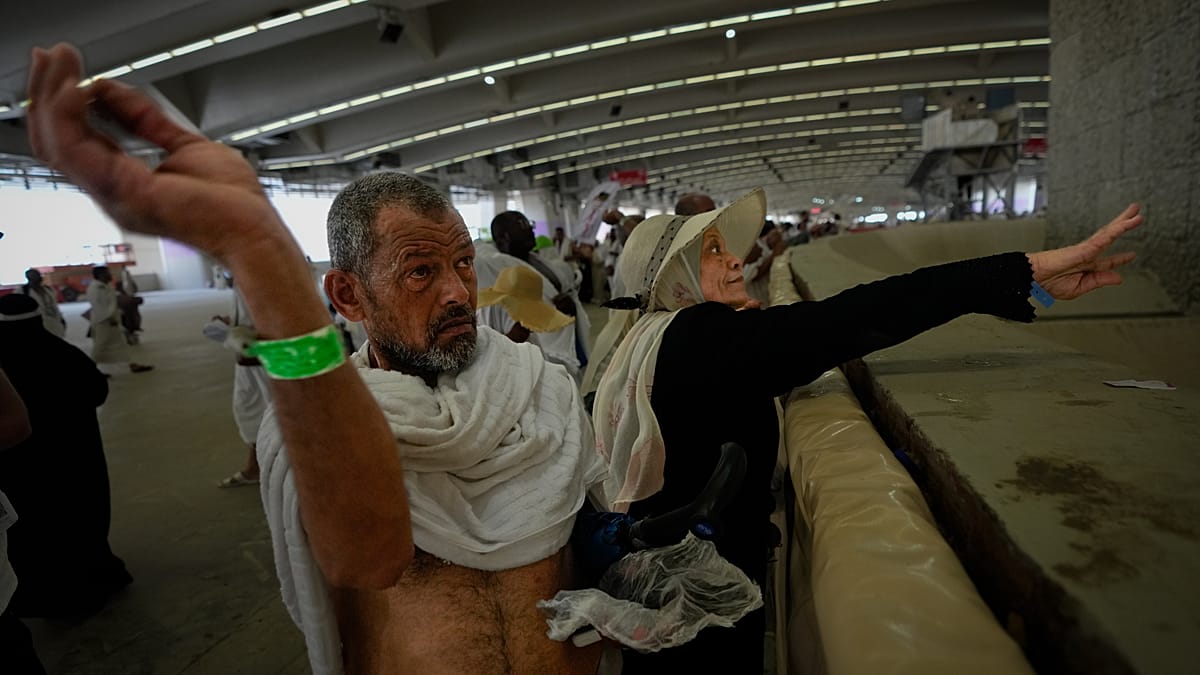
The annual Hajj pilgrimage is one of the largest religious gatherings in the world, attracting millions of Muslims from across the globe. This significant event holds immense spiritual importance, with various rituals symbolizing devotion and unity among the faithful. One of the most notable rituals is the symbolic stoning, which takes place in Mina, Saudi Arabia.
Gathering in Mina for a Sacred Duty
On May 27, over 1.5 million Muslim pilgrims assembled in Mina for the stoning ritual, a crucial component of Hajj. This practice symbolizes the rejection of temptation and evil, reflecting the faith’s deep-rooted principles. Participants throw pebbles at three pillars representing Satan, reminding the community of the need to resist sin and uphold righteousness. The sheer number of congregants illustrates the pilgrimage’s significance in fostering unity and solidarity among Muslims worldwide.
The Spiritual Significance of the Stoning Ritual
The stoning act, known as Rami al-Jamarat, carries profound spiritual meaning. It commemorates the actions of the Prophet Ibrahim (Abraham), who, according to Islamic tradition, resisted the devil’s attempts to lead him away from his divine mission. By emulating Ibrahim’s determination, pilgrims reaffirm their commitment to their faith and seek spiritual purification. This ritual effectively allows attendees to reflect on their own lives, urging them to renounce worldly distractions and follow the righteous path.
Health and Safety Measures during Hajj
With such a vast gathering, ensuring the health and safety of millions is paramount. Authorities in Saudi Arabia implement rigorous protocols to manage the massive influx of pilgrims. These measures include medical personnel on-site, sanitation facilities, and crowd control strategies to prevent overcrowding. In light of recent health challenges, enhanced sanitation practices have been adopted, ensuring that the pilgrimage remains a safe experience for all participants. These efforts underscore the commitment to protecting the well-being of devotees as they engage in this life-changing spiritual journey.
The Broader Impact of the Hajj Pilgrimage
Hajj is not only a spiritual undertaking but also an event with far-reaching social and economic implications. The pilgrimage draws visitors from diverse backgrounds, promoting cultural exchange and strengthening interfaith dialogue. The local economy in Saudi Arabia also benefits significantly from the influx of pilgrims, as services like transportation, accommodation, and retail thrive during this period. Furthermore, the event highlights the importance of global unity among Muslims and fosters a sense of belonging within the broader community, reinforcing shared values and beliefs.
In conclusion, the Hajj pilgrimage, especially the symbolic stoning ritual in Mina, holds tremendous significance for the Muslim community. It’s a powerful reminder of faith, resilience, and the importance of community. As millions gather each year to partake in this sacred journey, they not only fulfill their spiritual obligations but also contribute to a larger narrative of shared humanity and collective devotion.