
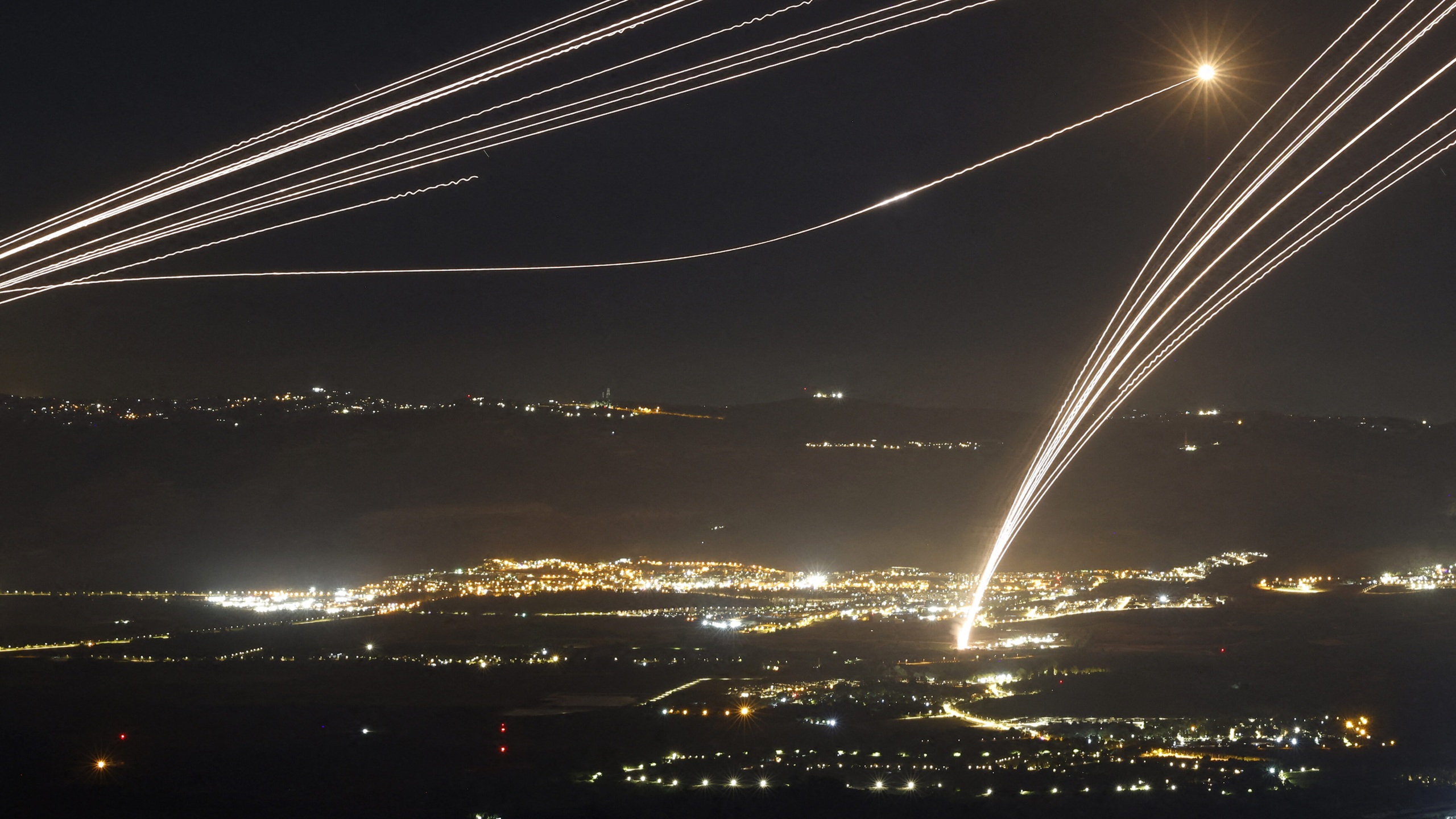
In light of recent missile strikes on Riyadh’s airport and attacks on Saudi Aramco’s facilities, the vulnerability of Saudi Arabia’s defense systems has come into sharp focus. The question arises: Can Israeli air defense technology provide a solution? While the potential for collaboration exists, the complexities enveloping military, diplomatic, and political realms hinder straightforward cooperation.
Challenges Facing Saudi Defense Systems
Saudi Arabia has made significant investments in advanced American-made missile defense systems, notably the Patriot Advanced Capability and the Terminal High Altitude Area Defense (THAAD) systems. Despite these efforts, the Houthi insurgents have showcased their ability to bypass these defenses, employing diverse weaponry that complicates interception. For instance, during the recent attack on Riyadh, it is suspected that Houthi drones were deployed to disrupt Saudi radar before launching cruise and ballistic missiles.
The geography of Saudi Arabia exacerbates these challenges. Covering approximately 2.15 million square kilometers, the kingdom’s vast expanse makes it difficult to achieve comprehensive radar coverage. Incoming threats can be shielded by natural terrain until they are dangerously close, allowing little time for defenders to respond. This massive scale requires an extensive network of surveillance systems to protect its critical infrastructure—oil facilities, airports, and military bases.
Moreover, there is a financial aspect to consider. The costs associated with interception systems can be staggering; for instance, a low-cost Houthi drone could compel Saudi Arabia to expend highly expensive interceptor missiles. This creates a recurring strain on their defense resources, which the Financial Times suggested may lead to dwindling stocks of interceptor missiles.
Exploring Israeli Defense Solutions
Israel has developed an array of advanced missile defense systems, each tailored to address different aerial threats. The Iron Dome, renowned for intercepting short-range rockets, has seen upgrades to combat missiles and drones. While potentially beneficial for protecting specific installations in Saudi Arabia, its limited range makes it impractical for widespread defense across the kingdom.
Other systems like David’s Sling and Arrow provide varying degrees of protection against ballistic missiles and cruise missiles. While Arrow can intercept threats before they descend, it may not be as effective against low-altitude threats like drones. Lesser-known systems such as Rafael’s SPYDER and Israel Aerospace Industries’ Barak MX can also be key players in defending critical locations, owing to their mobile capabilities and diverse interception options.
Additionally, Israel’s Iron Beam, a high-energy laser system, could offer significant economic advantages against low-cost aerial attacks. However, its operational limits—particularly under challenging weather conditions—might reduce its effectiveness in Saudi Arabia’s desert environment.
Precedent for Saudi-Israeli Cooperation
The recent military cooperation between Israel and the United Arab Emirates provides a precedent for potential Saudi-Israeli collaboration. Following their diplomatic normalization under the Abraham Accords, Israel began supplying the UAE with defense systems, including SPYDER, to counter Houthi attacks. This experience has positioned the UAE to conduct enhanced military operations, supported by Israeli intelligence sharing and on-ground assistance.
That establishes a potential blueprint for Saudi Arabia; however, the lack of formal relations complicates any similar efforts. The exchange of critical intelligence about missile threats could be a feasible way for Saudi Arabia to leverage Israeli technology without necessitating extensive military agreements or installations on its territory.
The Future of Saudi Defense Collaboration
While it appears promising, the road to effective Saudi defense collaboration with Israel remains fraught with challenges. The complexities of political relations and potential domestic backlash complicate matters with Riyadh continuing to tie normalization with Israel to broader regional conflicts, particularly the Palestinian issue.
Military assistance, particularly that which relies on sophisticated technology, inherently carries logistical hurdles. Saudi Arabia would require not just equipment but also training and maintenance expertise to operate Israeli systems effectively. Moreover, the U.S. plays a pivotal role, as many Israeli systems were developed with American collaboration and thus may require U.S. consent for sale to Saudi Arabia.
Ultimately, while Israeli technology could certainly enhance Saudi Arabia’s defensive capabilities, more than just hardware is necessary. A well-coordinated approach involving intelligence sharing and adaptation of existing systems may provide the Kingdom with the best chance for bolstering its defense mechanisms against emerging threats. Such adjustments would not be immediately visible but could be instrumental in safeguarding the nation’s critical infrastructure amidst ongoing regional instability.