
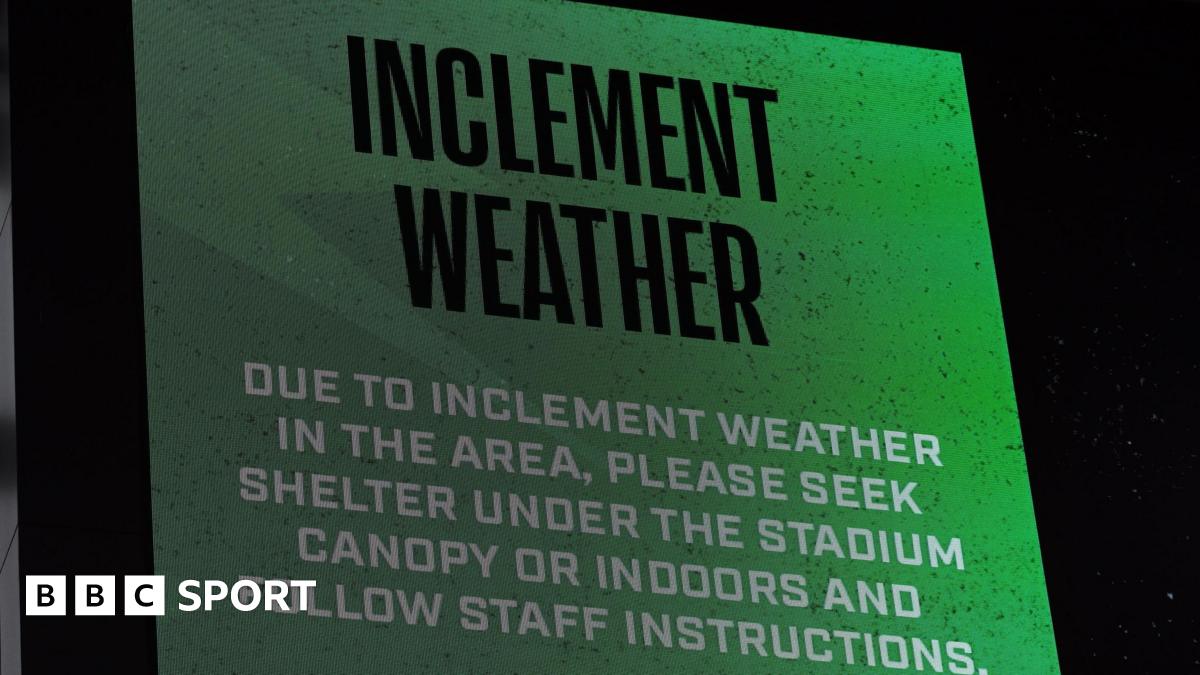
Saudi Arabia faced a significant weather-related disruption during their World Cup warm-up match against Puerto Rico in Austin, Texas. The game, held at the Q2 Stadium, showcased the importance of weather preparedness in sports events, especially as the world gears up for the upcoming 2026 World Cup.
Match Suspended Due to Severe Weather
The friendly match was halted in the 21st minute when a combination of thunderstorms and lightning posed serious risks. As the weather worsened, officials announced the necessity for fans and players to seek shelter. As lightning strikes continued in the vicinity, the match remained on hold for almost two hours before conditions improved enough for play to resume. Ultimately, Saudi Arabia emerged victorious, finishing the game with a commanding 3-0 win against Puerto Rico.
World Cup Weather Preparedness
As excitement builds for the 2026 World Cup, which is slated to kick off on June 11 across Canada, Mexico, and the United States, weather implications are being closely monitored. The tournament will coincide with the peak of the thunderstorm season in multiple host cities. In these areas, if lightning is detected within an eight-mile radius of a stadium, matches will be halted according to safety protocols. A mandatory 30-minute countdown will commence during such stoppages, resetting every time a new lightning strike is reported within the specified distance.
Interestingly, while the Q2 Stadium in Austin will not host any World Cup matches, Texas will see significant action during the tournament. The Houston Stadium is set to be the venue for seven games, while the Dallas Stadium will accommodate nine, including a highly anticipated group match featuring England against Croatia. Both stadiums are equipped with retractable roofs, which can mitigate the potential impact of adverse weather conditions.
Challenges Ahead in the World Cup
In addition to thunderstorm risks, researchers have raised alarms about the heat during the tournament. Reports indicate that temperatures at 14 of the 16 stadiums could reach dangerously high levels, presenting further challenges for athletes and fans alike. Such weather conditions require not only strategic planning but also active engagement from players to maintain their focus and performance amidst potentially severe circumstances.
Saudi Arabia will have one more warm-up fixture against Senegal before launching their World Cup campaign against Uruguay at the Miami Stadium on June 15. Following that, the team is scheduled to face Spain in Atlanta on June 21 and Cape Verde in Houston on June 26. As the tournament approaches, the players are keen to hone their skills and prepare for the challenges ahead, all while keeping a close eye on the unpredictable weather that could affect game outcomes.
In conclusion, the recent warm-up match against Puerto Rico underscored the critical role weather plays in sports. As Saudi Arabia and other teams prepare for the World Cup, implementing effective weather management strategies will be essential to ensure the safety of all participants and the success of the event.