
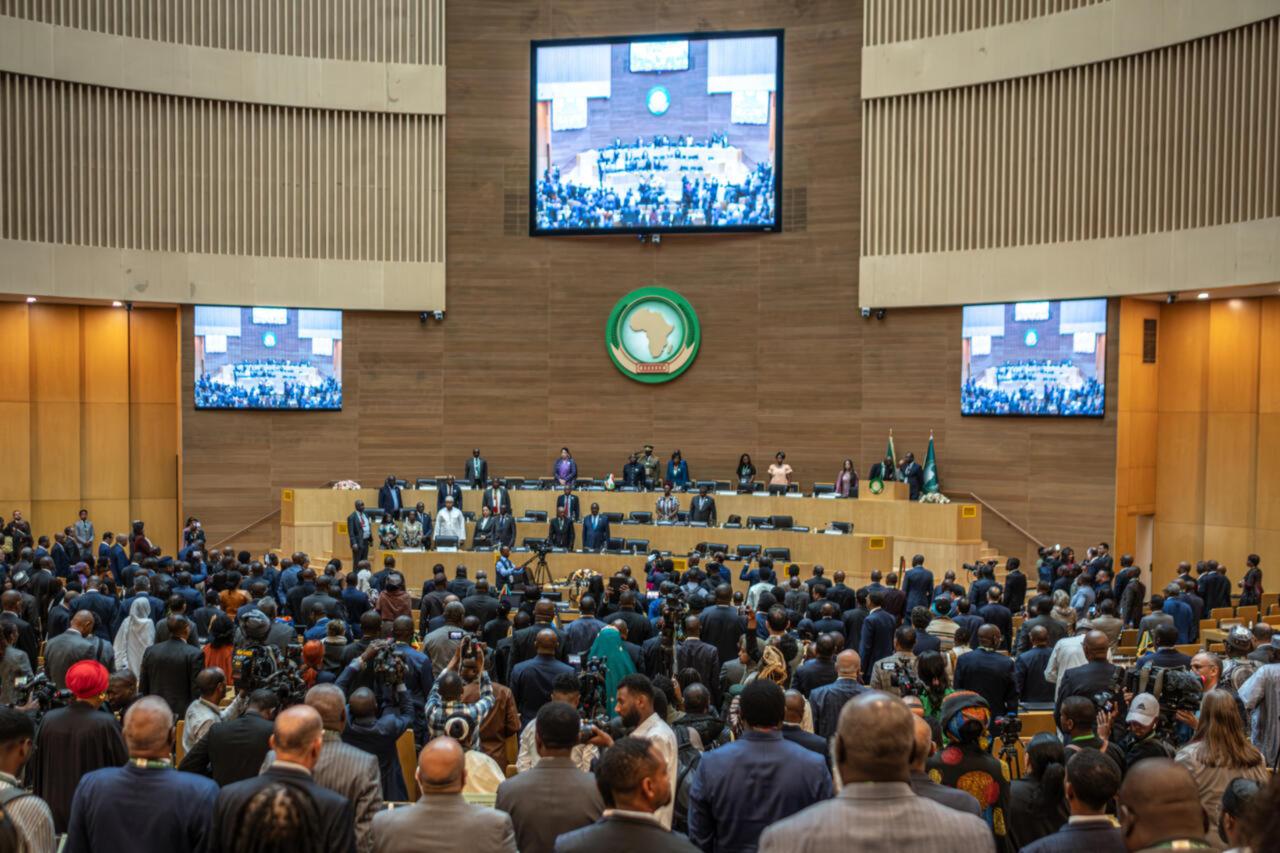
The partnership between Türkiye and the African Union (AU) remains a key focus, according to Professor Gaspard Banyankimbona, the AU Commissioner for Education, Science, Technology, and Innovation. In light of African Union Day, celebrated every September 9, Banyankimbona emphasized the AU’s commitment to transforming existing cooperation frameworks into tangible programs that can deliver real benefits to the people of Africa.
The Significance of African Union Day
African Union Day marks a significant milestone in the continent’s progression, commemorating the adoption of the Sirte Declaration in 1999. This declaration laid the foundational stones for the establishment of the AU, uniting African nations under a common vision of development and cooperation. Celebrating this day is an opportunity not just to reflect on achievements, but to catalyze future initiatives that promise to improve the livelihoods of African people. Banyankimbona highlighted that the cooperation between Türkiye and Africa has roots dating back to a framework established in 2008, further solidified by the Istanbul Declaration in 2021. With a clear vision, the AU aims for this collaboration to benefit the populace through various educational and technological programs.
Deepening Educational Ties with Türkiye
Looking ahead, Banyankimbona expressed enthusiasm about expanding ties with Turkish educational institutions, particularly universities. He stated that the AU is eager to explore deeper collaborative efforts that focus on mutual benefits and co-production. By leveraging partnerships with Turkish universities and research organizations, the AU aims to enhance educational and technological initiatives across Africa. The establishment of structured agreements is a vital step in ensuring that these collaborations yield impactful results, aligning with the AU’s broader Agenda 2063 goals.
Transforming Africa into a Technology Producer
Banyankimbona reiterated the importance of education, science, and technology for Africa’s future. With more than 1.4 billion people represented by the AU, over 60% of whom are under the age of 25, there’s a demographic goldmine to be tapped. However, to transform this potential into economic advantage, it is crucial to empower young Africans through skill-building and knowledge. The commissioner pointed out the need for Africa to shift from being a consumer of technology to a producer and innovator. Artificial intelligence stands out as a promising avenue that could enhance various sectors, including education and agriculture. Yet, to realize these advancements, Africa must invest in digital infrastructure and cultivate a generation of young innovators who can develop local technologies.
Combating Brain Drain with Innovative Solutions
Addressing the persistent issue of brain drain, Banyankimbona noted that Africa must create an environment conducive to retaining its talent. This involves establishing robust institutions, competitive research funding, and university-industry partnerships to foster meaningful careers. The AU is currently developing a charter aimed at reversing brain drain by promoting talent retention through mutual recognition of qualifications and the establishment of regional innovation centers. By incentivizing professionals to return to the continent with aided opportunities like research funds and tax benefits, the AU hopes to create a vibrant cycle of knowledge and innovation.
In conclusion, Banyankimbona underscored the importance of a nuanced understanding of Africa’s position in the world. Recent initiatives like the “Correct The Map” resolution by the United Nations General Assembly aim to present a more accurate representation of Africa’s size and importance. It is a movement that goes beyond cartography; it is about how young Africans perceive their continent and its future. By empowering youth to be active shapers rather than passive recipients of programs, the AU seeks to craft a brighter and more self-sufficient future for Africa.