
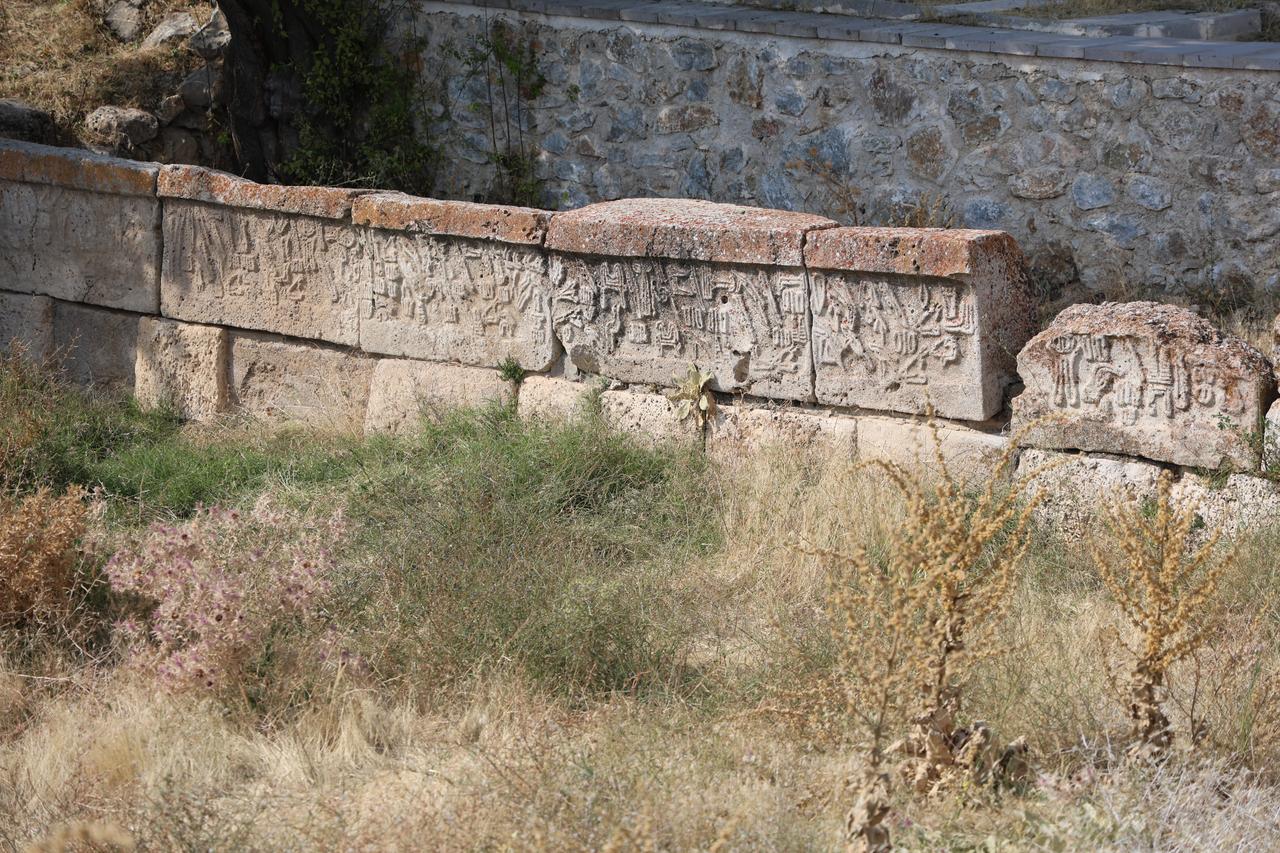
The Yalburt Water Monument in Türkiye is an extraordinary archaeological site that continues to yield insights into Hittite history. Dating back approximately 3,250 years, this monument is decorated with hieroglyphic inscriptions that provide a rich narrative of ancient military campaigns. These ancient texts serve as invaluable resources for scholars aiming to understand the geography and socio-political landscape of western Anatolia during the Hittite era.
Unraveling Hittite History through Inscriptions
Located around 23 kilometers northeast of Ilgin in the Konya province, the Yalburt monument features notable inscriptions that describe the military ventures of Hittite ruler Tudhaliya IV. Discovered in 1970 during construction work, this site has gained attention for its unusual compilation of inscriptions, particularly surrounding the water pool area. Hasan Bahar, a historian from Selcuk University, emphasizes the significance of these inscriptions, describing the monument as a historical roadmap detailing the Hittite campaigns into western Anatolia.
The inscriptions document the cities and routes that were important to Hittite military operations, including campaigns aimed at the kingdom of Arzawa. This evidence indicates that the Konya region held strategic military value during Hittite times, as it was often a staging ground for armies heading westward.
Military Significance of the Monument
Further analyzing the inscriptions, Bahar points out that they portray a vivid picture of Tudhaliya IV’s military logistics. The text suggests that Ilgin served as a pivotal point of gathering for troops before proceeding into western Anatolia. “The inscriptions at Yalburt echo the history of Hittite campaigns, illuminating the cities visited,” he stated, underlining the site’s role in bringing Hittite military history to light.
Bahar argues that the monument encapsulates 3,250 years of historical data. He refers to it as one of the earliest examples of Anatolian history permanently etched in stone. This unique aspect of the monument makes it a prime target for preservation efforts, especially with the need to protect such an essential piece of heritage.
Urgent Call for Preservation Efforts
Despite its historical value, the Yalburt monument faces significant threats from environmental damage. Bahar raises concerns regarding current protective measures, noting that they are inadequate against long-term exposure to weather conditions. Previous drainage efforts had aimed to mitigate water buildup around the site, but these initiatives have proven insufficient to maintain the integrity of the inscriptions.
Bahar advocates for a reevaluation of the site’s protection strategies. He emphasizes the urgent need for stronger safeguards against rain, sunlight, and other natural elements that contribute to the deterioration of the hieroglyphs. “The site must definitely be placed under stronger protection,” he insists, proposing that it should be enclosed to prevent further damage.
In conclusion, the Yalburt Water Monument stands as a crucial artifact of Hittite history, offering an unparalleled glimpse into the ancient past. However, immediate action is necessary to preserve this monument for future generations. By enhancing protection measures, we can ensure that the inscriptions and the stories they tell continue to educate and fascinate those who seek to understand the remarkable history of the Hittites.