
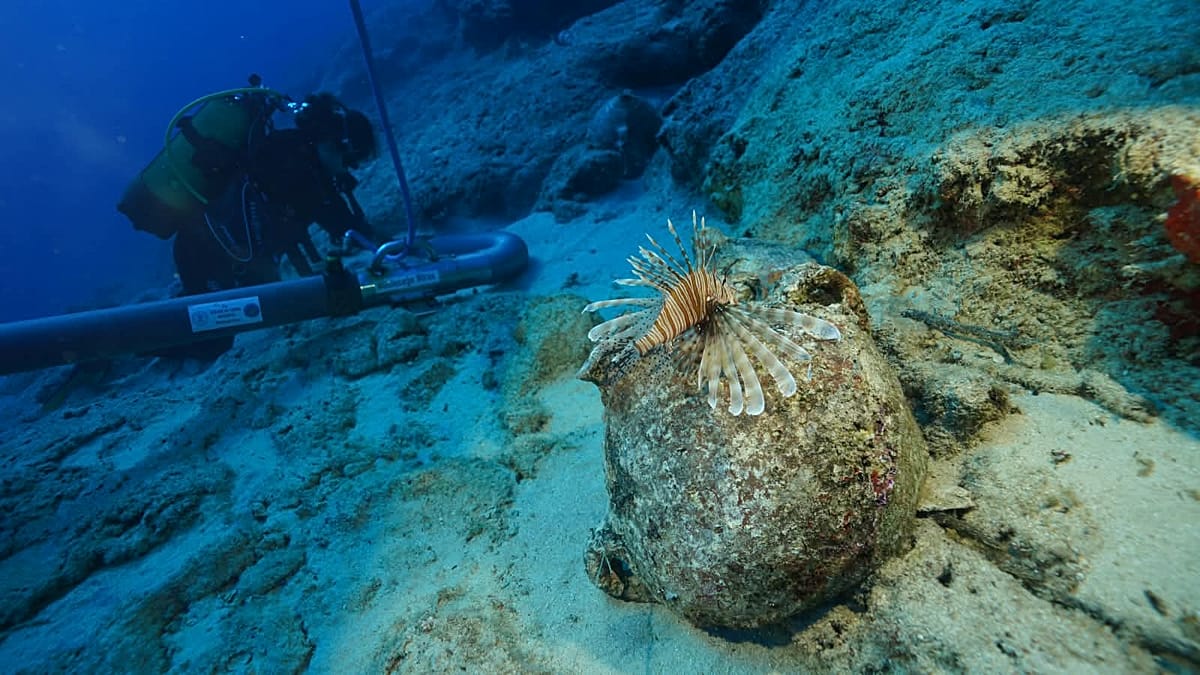
Underwater excavations near Kekova, a picturesque island off the coast of Antalya, have unearthed amphorae dating back approximately 4,400 to 4,700 years. These findings, attributed to a shipwreck from the Early Bronze Age, promise to enhance our understanding of ancient maritime activity and trade networks in the Eastern Mediterranean.
Significance of the Recent Discoveries
Turkey’s Minister of Culture and Tourism, Mehmet Nuri Ersoy, emphasized the importance of these historical artifacts on social media. He remarked, “In our ‘Blue Homeland’, we are uncovering traces of the world’s oldest shipwreck.” The amphorae are believed to have been utilized for transporting goods such as olive oil or wine, with preliminary analyses suggesting that they originated from workshops in the Jordan Valley. This discovery aligns with similar finds in locations like Egypt, Troy, and Crete, underscoring the extensive trade connections and cultural exchanges that have existed in this region.
Minister Ersoy expressed optimism about future archaeological endeavors, stating that ongoing research will continue to illuminate the maritime history of Anatolia while safeguarding underwater cultural heritage for generations to come. He acknowledged the efforts of Associate Professor Hakan Öniz, who is spearheading the scientific excavations, as well as the dedicated team working alongside him.
How Was the Shipwreck Unearthed?
The shipwreck was initially identified through underwater surveys conducted by Akdeniz University in prior years. The analysis of amphora samples suggested that the ship dates back to the Early Bronze Age. With the necessary permits from the Ministry of Culture and Tourism, formal excavations commenced in 2026, directed by the Antalya Museum Directorate.
The presence of similar vessels discovered near the Giza Pyramids, as well as in sites like Saqqara and Abusir in Egypt, indicates that the shipwreck may have been part of a sophisticated trade network. Researchers theorize that the vessel originated from a port on the Levantine coast, potentially en route to locations such as Troy or Crete, reflecting the extensive maritime trade routes of the time.
Insights from the Unique Amphora
Among the artifacts uncovered, a particular amphora has captured considerable attention due to its two holes and nine distinct marks. Preliminary examinations suggest that this jar might have been used for churning dairy products like cheese or butter. This intriguing possibility opens up avenues for understanding how sailors lived during lengthy sea voyages. The concept that they might have carried goats on board and produced their own dairy products adds a fascinating layer to our perception of maritime life in the Early Bronze Age.
These findings contribute not only to our knowledge of trade goods but also offer insights into the daily lives and culinary practices of ancient mariners. Understanding how these seafarers managed their food supplies enhances our historical narrative of life at sea during this period. As research continues, the Kekova shipwreck offers a crucial glimpse into the interconnectedness of ancient civilizations and their enduring legacies.