
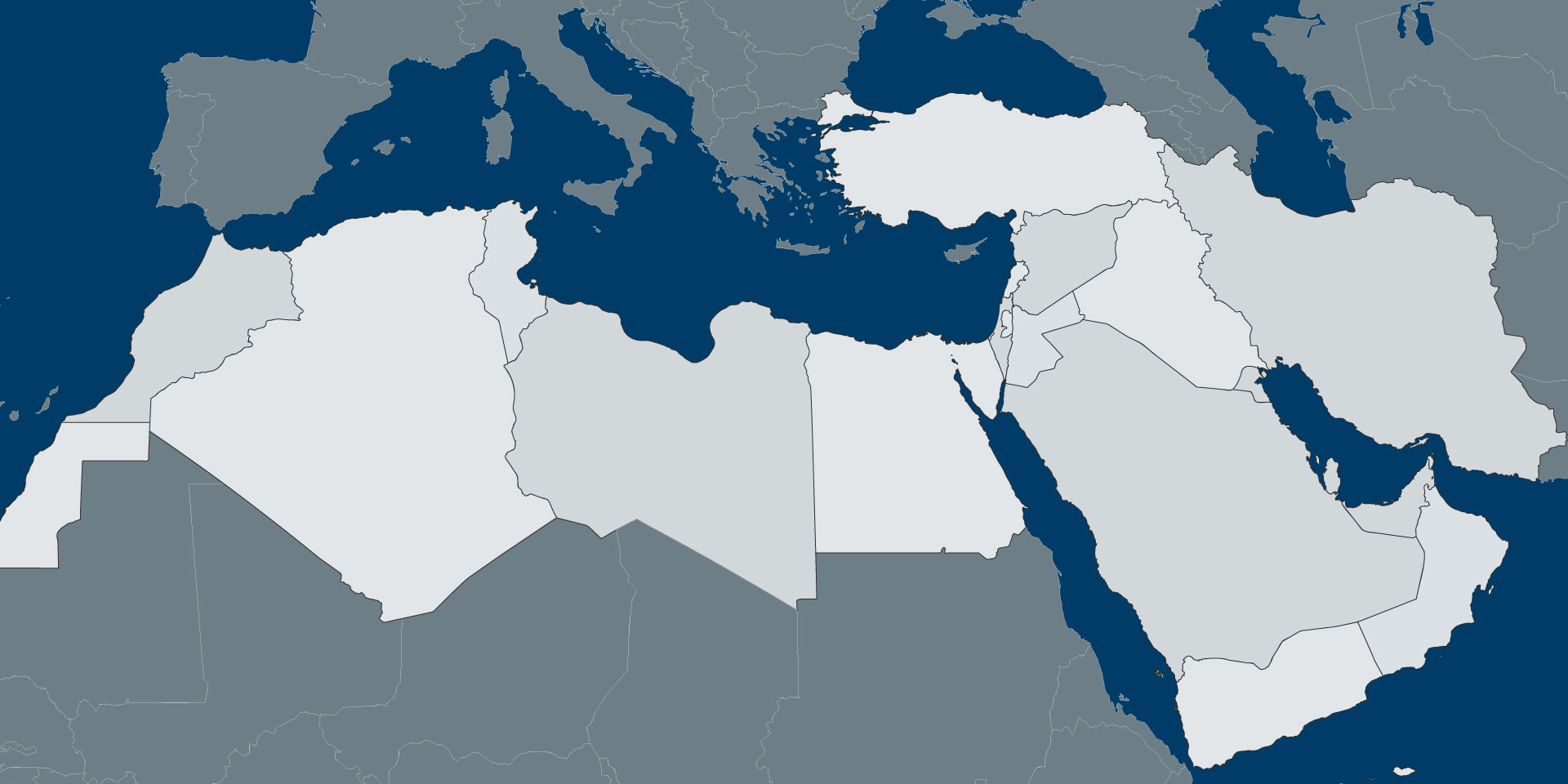
As the international spotlight often lingers on the turmoil in Iran, the consequential shifts within the broader Middle East—especially regarding Turkey—are frequently overlooked. The recent visit of Egyptian Defense Minister Lt. Gen. Ashraf Salem Zaher to Turkey underscores this growing significance. On July 12, Zaher led a high-ranking delegation to Ankara, initiating discussions aimed at enhancing military collaboration between Egypt and Turkey.
The Strategic Importance of Turkey in Regional Diplomacy
Turkey has emerged as a pivotal player in Middle Eastern geopolitics, seizing opportunities to expand its influence. Historically, regional dynamics have been heavily influenced by factors like energy security, political alliances, and military engagements. In recent times, Turkey has sought to solidify its position by forging strategic partnerships, with Egypt being a key participant in this new framework. Such alliances could signify a shift in territorial balances, which may potentially reshape the region’s power dynamics.
Strengthening Military Ties
The discussions between Turkey and Egypt underscore a mutual interest in fostering military cooperation. This partnership could lead to joint exercises, exchange programs, and even weaponry procurement, fostering a more collaborative defense posture. The shared understanding of regional threats—most notably the challenges posed by groups such as ISIS and the evolving situation in Syria—has propelled both nations toward a more unified military front. By pooling resources and intelligence, Egypt and Turkey could not only enhance their own security but also contribute to a more stable Middle East.
Implications for the Regional Balance of Power
The burgeoning relationship between Turkey and Egypt invites speculation about its impacts on other regional players. For instance, countries such as Saudi Arabia and Iran may view this collaboration with apprehension, sensing a shift in the established order. As Turkey strengthens its military ties with Egypt, it may challenge the prevailing influence of other states in the region. Moreover, this partnership could embolden Turkey’s aspirations to act as a leader in the Muslim world, particularly in the face of perceived Iranian ascendancy.
Conclusion: A New Era of Cooperation?
In conclusion, while Iran’s ongoing challenges capture international attention, the evolving partnerships in the Middle East, especially Turkey’s engagement with Egypt, suggest a potential reconfiguration of the regional landscape. As military collaborations deepen, the Middle East might soon witness a realignment of alliances that will dictate the course of its geopolitical future. The shift could pave the way for enhanced stability or perhaps further complexities in a region fraught with existing tensions. Understanding these dynamics will be crucial for observers and policymakers alike.