
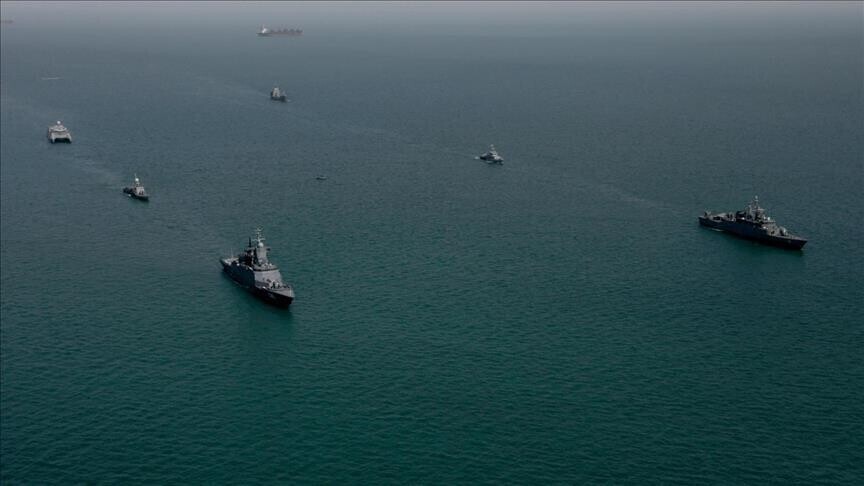
As geopolitical tensions rise, particularly due to the US-Israel-Iran war and ongoing hostilities between Washington and Tehran, Asia-Pacific nations are increasingly looking for alternative logistics routes. Türkiye has emerged as a prime option, thanks to nearly two decades of efforts to diversify its logistics capabilities, according to insights from Ergun Ariburnu, chair of Omsan Logistics.
Türkiye’s Strategic Position in Global Logistics
Ariburnu highlighted that Türkiye’s geographical location places it at a critical juncture connecting the Asia-Pacific, Europe, and the Americas. This strategic positioning not only enhances Türkiye’s importance in global logistics but also strengthens its geopolitical relevance. The country’s advanced infrastructure, military capabilities, and robust defense systems have made it a reliable partner for nations seeking safe logistics corridors. As trade continues to evolve, achieving economic independence through strategic logistics has become more crucial than ever.
The Impact of Geopolitical Events on Global Trade
The ongoing conflict around key maritime routes, particularly the Strait of Hormuz, has underscored how logistics can directly influence national economies. Ariburnu notes that if Türkiye capitalizes on these newfound opportunities, it could elevate its economy significantly. Currently, the focus is on the implications of potential disruptions in major waterways like the Suez or Panama canals. As concerns grow, Asia-Pacific countries have begun seeking alternative routes, and Türkiye has proactively prepared for this shift since 2007. Logistics initiatives such as the Middle Corridor and the recently revived Hejaz Railway are pivotal in this strategy.
Investment and Innovation in Logistics Infrastructure
Ariburnu stated that Türkiye has invested heavily in railways to position itself as a logistics hub. The advent of technology and innovation in logistics ensures that freight can be transported more efficiently across various regions, including Africa. Ongoing projects, including the Dortyol-Hassa railroad and tunnels connecting Turkic states to the Caucasus, enable the seamless transfer of goods from the Port of Iskenderun to global markets. He pointed out that maritime trade remains dominant, accounting for approximately 90% of global transactions, hence the focus on expanding maritime logistics, particularly through strategically located ports like Tanger Med.
Future Prospects and Challenges in the Logistics Sector
With ambitious projections that global trade volumes could grow to over $1 billion, the logistics sector in Türkiye is poised for significant expansion over the next decade. Ariburnu emphasizes the advantage of Türkiye’s skilled labor force compared to neighboring regions. However, he also cautions that each opportunity carries inherent risks, such as potential delays in infrastructure investments. Building a railroad or port takes years and substantial financial commitment, making it imperative for stakeholders to adopt a long-term vision.
Stable governance and strategic investments will play a crucial role in shaping Türkiye’s future as a logistics powerhouse. According to Ariburnu, the country could become a servicing hub for not just the region but also Europe, the Caucasus, and the Asia-Pacific within ten years. In conclusion, while the challenges are significant, Türkiye’s proactive approach to logistics diversification and its strategic positioning could set it on a path to becoming a leader in global trade routes.