
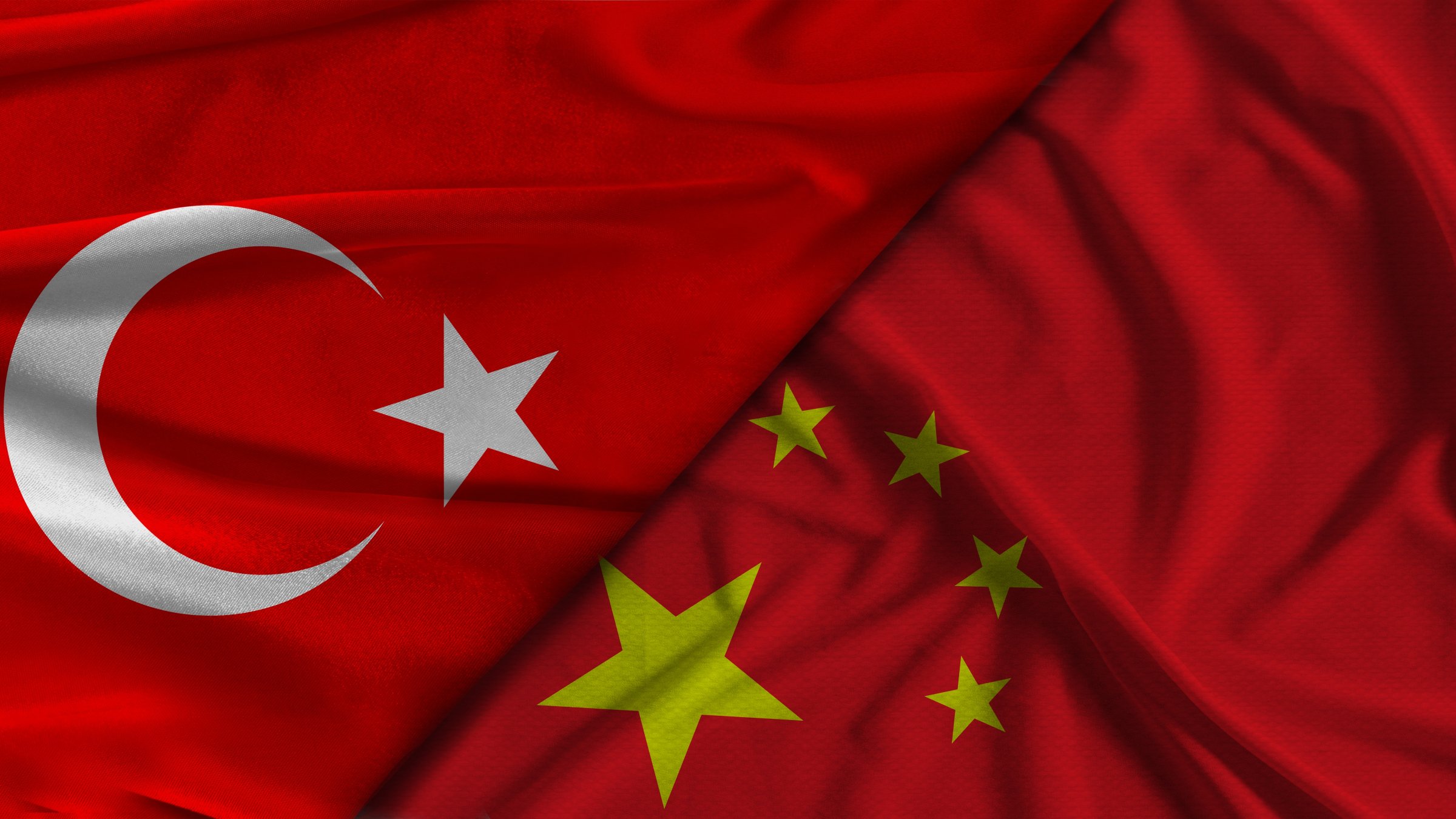
As China and Türkiye celebrate the 55th anniversary of their diplomatic relationship, their partnership is evolving into a strategically significant alliance that encompasses not only trade but also infrastructure development, green technology, and digital innovation. This transformation is indicative of a deepening economic relationship and a commitment to greater political collaboration.
From Trade to Strategic Partnership
Historically, China has been one of Türkiye’s most prominent trading partners, with bilateral trade increasing substantially over the past two decades. As stated by Chinese authority Hou Na, the relationship is now shifting from a purely transactional exchange to one characterized by strategic interconnectedness. The collaboration focuses increasingly on co-investment opportunities in areas such as clean energy, advanced manufacturing, and infrastructure development. For instance, projects involving battery production and large-scale energy storage are examples of how both nations are coming together to create a robust economic framework.
The synergy between China’s Belt and Road Initiative (BRI) and Türkiye’s Middle Corridor is becoming more than a mere diplomatic concept; it is being actualized through effective transport corridors and logistics hubs. The Middle Corridor serves as a multimodal trade route connecting China to Europe via Central Asia and the Caspian Sea. This integration aims to revitalize historical trade routes, such as the Silk Road, and is designed to enhance connectivity between Asian and European markets.
Expanding Cultural and Social Connections
While economic ties are critical, they only tell part of the story. For a partnership to truly flourish, mutual understanding between the societies of both countries is essential. According to Hou, there are already burgeoning social connections in areas such as tourism, education, and cultural exchange. The tourism sector, in particular, serves as a visible avenue for enhancing interpersonal interactions. Turkish Airlines has ramped up its service to China, providing multiple weekly flights and facilitating connections among business professionals, students, and tourists.
Educational exchanges are also gaining momentum, with an increasing number of Turkish students enrolling in Chinese universities. Concurrently, the interest in Mandarin and China studies is growing in Türkiye. This kind of educational interaction opens pathways for long-term mutual understanding that cannot be achieved through government initiatives alone. In a world increasingly shaped by cultural identity, such exchanges offer a vital means of connecting on a deeper level.
Future Prospects: Balancing Economics and Culture
As the partnership moves into new realms, maintaining momentum relies on three key elements: political trust, practical cooperation, and cultural understanding. The coming decade is expected to be influenced by the green transition and the rise of digital technology. Türkiye’s ambitious carbon neutrality goals, in conjunction with China’s expertise, could pave the way for collaborative efforts in renewable technologies and sustainable practices. Current joint ventures in lithium battery production could be just the tip of the iceberg.
Moreover, the relationship’s trajectory is likely to focus on enhancing logistical capabilities and trade facilitation. As the Middle Corridor and the BRI continue to align, the two countries could collaborate on streamlined customs practices and standardized tariffs, creating a more effective trading environment.
In an evolving global landscape, the concept of “strategic patience and multilateral coordination” takes on new significance. Both nations share a vested interest in a rules-based order suitable for the 21st century. As they navigate this intricate environment, integrating economic, cultural, and political dialogues will be key to building a truly transformative partnership that extends beyond mere tactical alignments.
If these multiple strands of cooperation can harmonize, the coming years could signify a significant leap forward for China and Türkiye, enriching their long-standing relationship into a modern, multi-faceted alliance that benefits both nations for decades to come.