
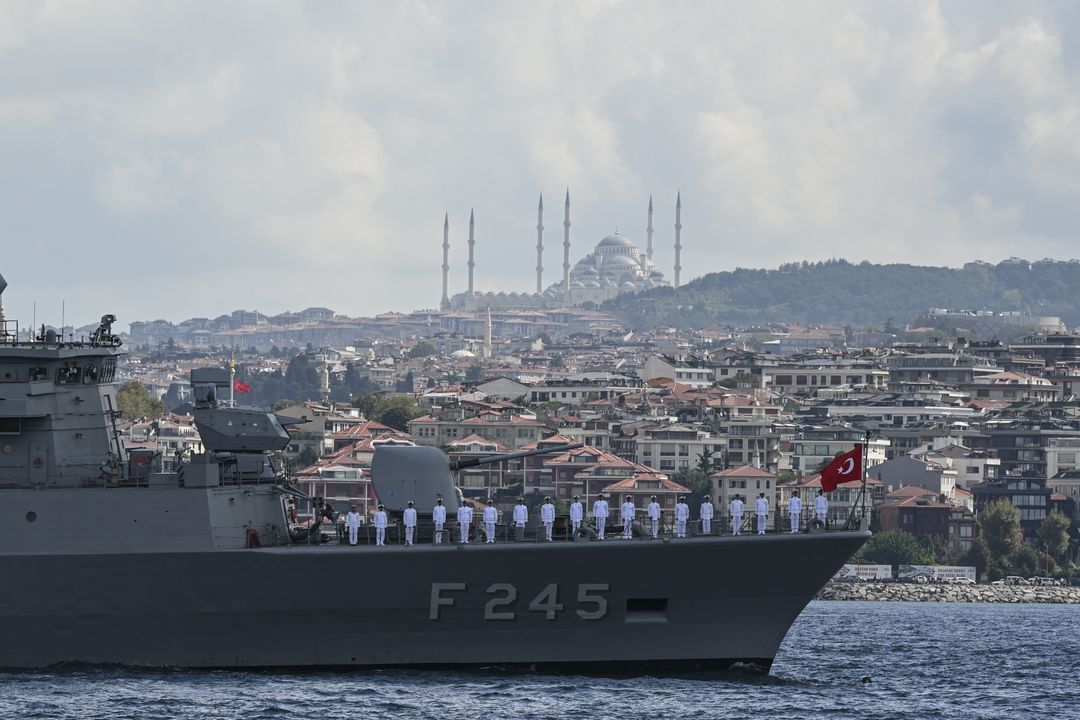
Türkiye commemorates the 104th Victory Day, a pivotal moment in the nation’s history that signified its transition from occupation to independence. This day, celebrated on August 30, honors the significant battle in 1922 that marked the cessation of Greek advances in western Anatolia. This victory laid the groundwork for the Turkish War of Independence, leading to the withdrawal of occupying forces and ultimately the establishment of the Republic of Türkiye.
The Historical Importance of August 30
August 30 is not just a date but a symbol of victory and resilience for the Turkish nation. The decisive battle that took place in 1922 is seen as a turning point in the struggle for liberation. It halted the Greek forces and enabled Turkish troops to reclaim territory, eventually leading to the complete withdrawal of foreign armies from Anatolia. As ceremonies and public events unfold across the country, figures like Mustafa Kemal Atatürk, the founder of modern Türkiye, are honored, illustrating the profound respect and remembrance this day commands in the national consciousness.
The Path to Dumlupinar
The roots of this historic day can be traced back to the significant upheavals following World War I. The defeat of the Ottoman Empire led to the occupation of Istanbul and large swaths of Anatolia by the Entente powers. With Greek troops landing in Izmir in May 1919, the partitioning of Ottoman territory seemed imminent. However, the local resistance that blossomed in Anatolia was determined to ensure that the future of their homeland would be in the hands of its people, rejecting any decisions made by foreign powers.
Over three years, these resistance movements evolved from disparate militias into a cohesive army capable of countering organized military forces. By the summer of 1922, the Turkish forces were prepared to launch a vigorous counter-offensive.
The Battle of Dumlupinar
On August 26, 1922, the Turkish military initiated the Great Offensive, successfully breaching Greek defenses and capturing strategic locations. This military momentum culminated on August 30, when Turkish forces successfully encircled and defeated the core of the Greek army in what is now remembered as the Battle of the Commander in Chief. This victory was crucial, as it paved the way for further advances, culminating in the retaking of Izmir on September 9—all actions that reverberated through history as significant steps toward national sovereignty.
The Transition from Military Victory to National Identity
The Battle of Dumlupinar was pivotal not only for its immediate military implications but also for its overarching historical significance. The defeat of the Greek forces eliminated the last major military barriers between the Turkish National Movement and unimpeded control of Anatolia. This crucial battle laid the groundwork for the Mudanya Armistice in October 1922 and the subsequent Lausanne negotiations, which ultimately led to the official declaration of the Republic of Türkiye in 1923.
Today, as Türkiye observes Victory Day, it’s important to appreciate the depth of this event in shaping national identity. Beyond mere military achievement, August 30 symbolizes the unyielding spirit and determination of a nation that refuses to be defined by external powers. Through recognition of this historical moment, Türkiye reinforces the values of sovereignty and resilience that continue to resonate in its modern identity.