
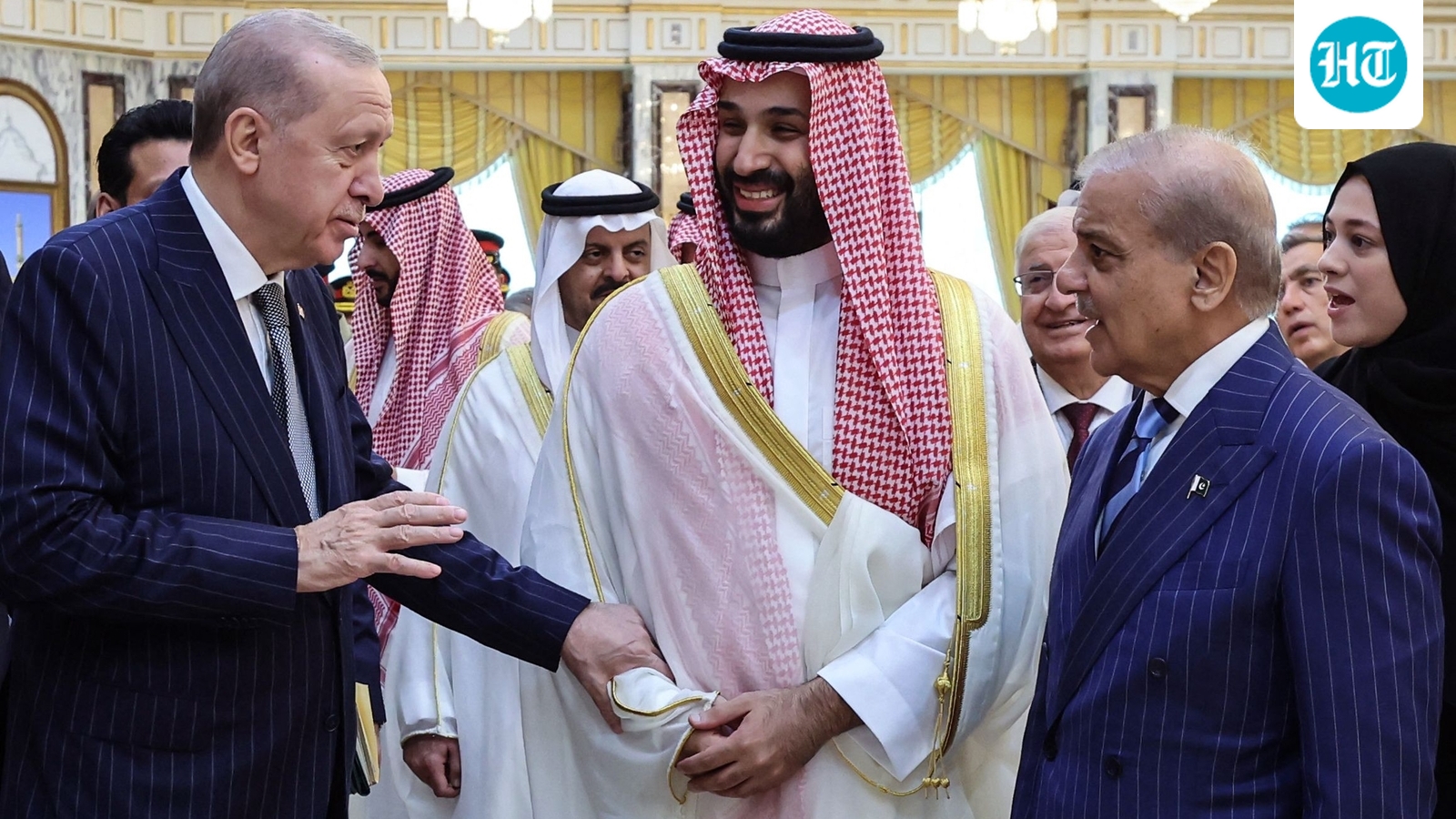
Bangladesh is currently contemplating the possibility of joining the recently established military alliance, known as the Mecca Joint Defence Agreement, between Pakistan, Saudi Arabia, and Turkey, often referred to as an “Islamic NATO.” This interest indicates a potential shift in Bangladesh’s foreign policy, focusing on security concerns and economic factors like remittances, energy, and foreign investment.
Understanding the Mecca Joint Defence Agreement
The Mecca Joint Defence Agreement was officially signed on August 7, 2023, in Saudi Arabia by key leaders: Saudi Crown Prince Mohammed bin Salman, Turkish President Tayyip Erdogan, and Pakistani Prime Minister Shehbaz Sharif. The agreement includes a collective defense clause whereby an attack on one member would be considered an attack on all three, mirroring Article 5 of NATO’s charter. This framework aims to foster deeper military cooperation, technology sharing, and joint exercises among the member nations.
The agreement has garnered attention in various geopolitical circles, particularly in Dhaka, as Bangladesh looks to bolster its defense capabilities and secure vital economic interests. Government officials argue that their consideration of the Mecca pact is driven by national interests and a desire to diversify their geopolitical relationships amidst domestic political changes and regional instability.
Bangladesh’s Strategic Interests
Historically, Bangladesh has maintained closer ties with India while also managing relations with China. However, recent tensions with New Delhi, particularly concerning border disputes and water-sharing issues, have led Dhaka to reevaluate its security partnerships. Following trends such as the extradition of former Prime Minister Sheikh Hasina, who lost power amid protests, Bangladesh’s political landscape has shifted. The current government, under Prime Minister Tarique Rahman, has advocated for a “Bangladesh First” policy and has viewed potential partnerships like the Islamic NATO with interest.
In mid-August, Bangladesh’s Foreign Affairs Adviser Humayun Kabir expressed a favorable outlook towards a military framework involving the three countries, indicating a shift away from traditional alliances. A senior aide to PM Rahman stated that the nation is keen on forming ties with the Mecca Pact, illustrating Dhaka’s alignment with broader strategic goals.
The Benefits of Joining
Affiliating with Saudi Arabia through the Mecca pact could significantly boost Bangladesh’s economy, particularly concerning remittances. In the financial year 2025-26, Saudi Arabia accounted for about $5.28 billion in remittances, which constituted approximately 16% of total inflows. Moreover, Saudi investment potential might offer lucrative opportunities for growth.
Alongside financial advantages, military cooperation with Turkey and Pakistan could facilitate technological advancements, joint production initiatives, and improved access to defense equipment. This partnership would be particularly beneficial given Bangladesh’s existing military procurement relationships with both countries, which supply crucial defense assets.
Another critical consideration for Dhaka is energy security. As Bangladesh relies heavily on importing energy resources, collaboration under the pact could aid in safeguarding essential shipping routes and stabilizing energy prices.
Challenges Ahead
Despite the potential benefits, Bangladesh’s accession to the Mecca Pact would not be without hurdles. Cooperation with Pakistan could provoke resistance from secular demographics within the country, with historical sentiments from the 1971 war still fresh for many citizens. Additionally, navigating relations with both India and China will require careful diplomacy.
There is also uncertainty regarding the operational framework and membership criteria of the Mecca Agreement itself. Although Bangladesh has yet to make a formal announcement regarding its decision to join, its expressed interest signifies a notable shift in the nation’s foreign policy strategy, focusing on important considerations like security, economic stability, and energy investment.