
Ongoing Persecution of Christians in Turkey
Recent events have highlighted the troubling treatment of Christian communities, particularly Assyrian and Chaldean groups, in Turkey. Reports of property demolitions and the denial of customary rights are emerging from the southeastern province of Şırnak, where local authorities seem to be perpetuating a climate of fear targeting these religious minorities. Such actions have sparked concern over the implications for the community’s future and their ties to their ancestral land.
Demolition of Properties and Community Response
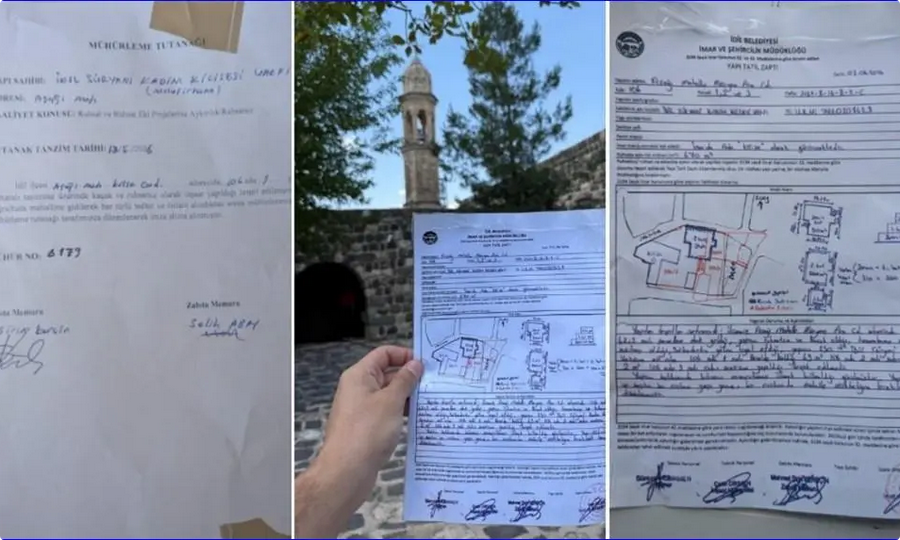
The situation surrounding the demolition of properties owned by Christians in Şırnak is dire. Reports note that several buildings were razed before legal proceedings could reach a conclusion. Four individuals, whose residences were destroyed, have taken legal action, only to witness their homes dismantled just days after filing their appeals. Among the affected sites is a guesthouse operated by the Syriac Orthodox Church. Community representatives argue that these aggressive measures are aimed at intimidating the Assyrian-Chaldean community, particularly those who have relocated to Europe, severing their connections to their homeland.
Lawyer Melke Karagöl has spoken out against these actions, highlighting that the demolitions occurred in spite of ongoing judicial reviews. He asserts that such swift and unilateral actions by local authorities effectively undermine the legal system, creating irreversible consequences for the affected families. Measures have escalated beyond demolitions, with authorities also imposing fines and sealing off Christian-owned commercial and residential properties. Karagöl believes these tactics are part of a broader strategy to marginalize the Assyrian population.
Political Dynamics and Local Governance
At the center of the unrest is the mayor of Idil, Türkan Kayir, who has drawn ire from the Christian community for her role in signing demolition orders. Despite having initially been elected on a platform promising representation for various ethnic groups—including Assyrian and Kurdish stakeholders—Kayir’s actions have raised questions about her political loyalties. Allegations have surfaced that local council member Ekrem Simsek is leveraging his influence over the mayor for personal interests, leading to perceived retaliation against Christians.
Kayir’s recent shift to the ruling AKP party has further fueled suspicions of political betrayal among her constituents. Assyrian groups contend that her new affiliation will shield her from accountability for the demolitions and other discriminatory measures. The political landscape in Turkey remains volatile, with opposition figures invoking parliamentary inquiries to scrutinize demolition orders and the legal frameworks under which they were enacted.
The Struggles for Identity and Recognition
Amidst the backdrop of property disputes, the Assyrian community faces additional challenges regarding their identity. A recent ruling in Midyat highlights these struggles, as a court denied members of an Assyrian family the right to reclaim their original surnames, instead insisting on names deemed “Turkish.” Such decisions underscore longstanding issues within Turkish legal systems that restrict ethnic and cultural recognition, often forcing minority groups to abandon their heritage for conformity.
This ruling reflects broader systemic pressures faced by the Assyrian Christian community, which has long been impacted by violence and displacement. Communities like Azech, once predominantly Assyrian, now see a dwindling population largely replaced by other ethnic groups. The combination of displacement, property destruction, and legal impediments to identity has created a precarious reality for Assyrian Christians in Turkey.
In summary, the plight of Christians in Turkey—marked by property demolitions, political manipulation, and cultural erasure—highlights the ongoing struggle for rights and recognition faced by this religious minority. The situation warrants urgent attention, as local authorities seem increasingly determined to marginalize the Assyrian-Chaldean community in the name of political expediency.