
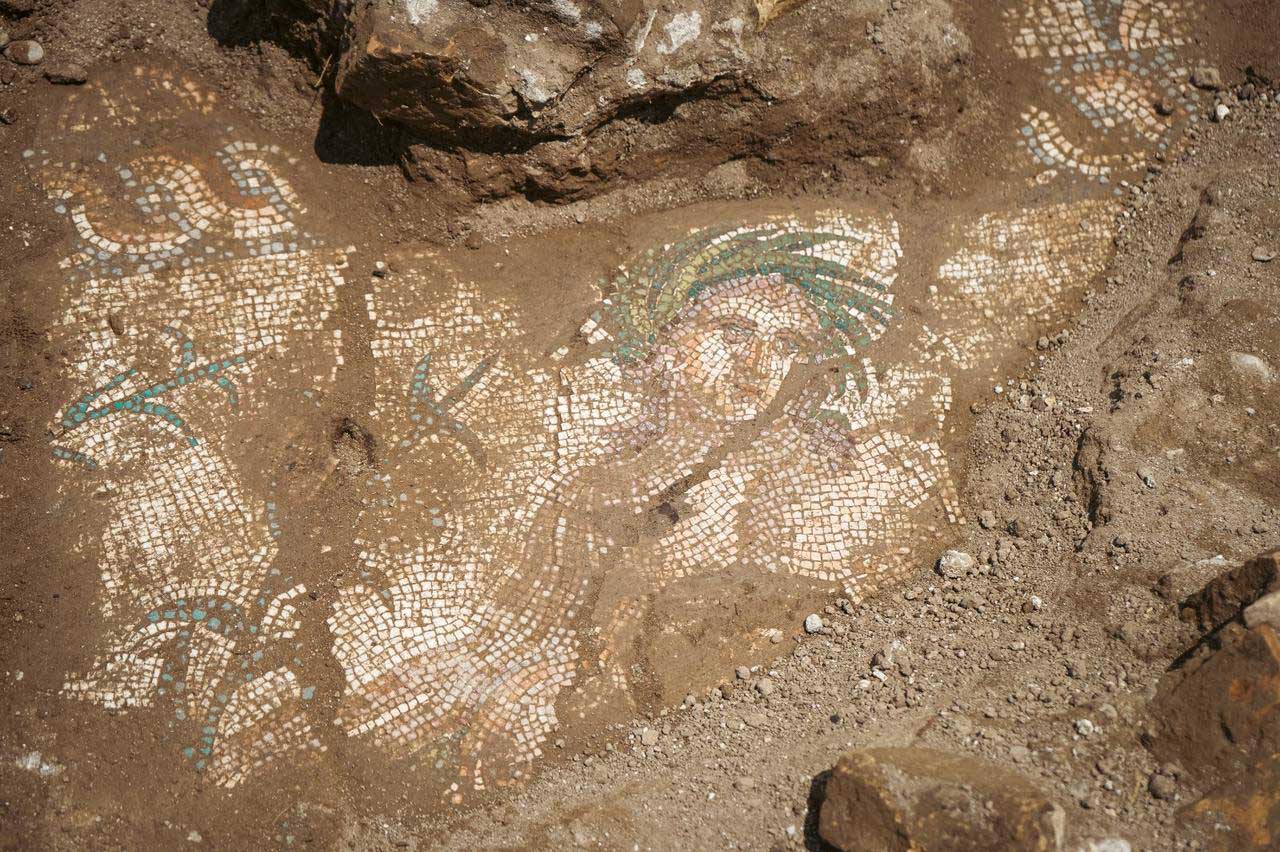
In a remarkable archaeological discovery, a breathtaking mosaic from the third century A.D. has been unearthed in Antalya, Turkey. This captivating artwork showcases a river god, serving as a vivid testament to the region’s rich historical and cultural heritage. Such finds not only narrate tales of the past but also shed light on the artistic prowess of the ancient civilizations that once flourished in this area.
Significance of the Mosaic
The recently uncovered mosaic is more than just a decorative piece; it represents a critical historical narrative that provides insights into ancient beliefs and environmental interactions. The representation of a river god signifies the importance of water sources in sustaining life and agriculture in antiquity. This discovery contributes significantly to our understanding of how ancient societies revered natural elements, making it a valuable addition to the chronicles of the region’s history.
Background of the Discovery
The mosaic was revealed during excavation activities conducted by a dedicated team of archaeologists and researchers. These efforts are part of a larger initiative aimed at exploring and preserving Turkey’s extensive archaeological heritage. The meticulous work undertaken by the team highlights the ongoing commitment to illuminate the layers of history embedded within the ground. As archaeologists continue to peel back the layers of time, each find enriches our understanding of the culture, art, and daily life of past civilizations.
Artistic Characteristics and Techniques
One of the most striking aspects of this mosaic is its intricate design and vibrant colors, typical of the era’s artistic techniques. Composed of countless tiny tiles, or tesserae, the mosaic illustrates the skilled craftsmanship prevalent during its creation. This attention to detail not only enhances its aesthetic value but also serves as a poignant reminder of the technical advancements achieved by artists of that time. The choice of colors and patterns reflects the cultural influences and artistic trends that shaped the Mediterranean region during the third century.
Implications for Future Research
The discovery of this mosaic holds significant implications for future archaeological research in Turkey and beyond. Scholars are now presented with an opportunity to delve deeper into the contextual significance of river gods within ancient mythology and religion. This could foster new discussions on the interplay between nature and spirituality as portrayed in art. With each new find, we inch closer to unraveling the complexities of past civilizations and their interactions with the environment, leaving room for further research and exploration in the years to come.
In conclusion, the unearthing of this third-century mosaic in Antalya not only enriches our understanding of ancient art and culture but also emphasizes the importance of continued archaeological efforts. Each discovery paves the way for deeper insights into the intricate history of human civilizations, reminding us of the narratives waiting to be uncovered beneath the surface of our modern world.