
The ongoing conflict between Palestinians and Israelis remains one of the most complex and enduring disputes in modern history. With deep-rooted historical, political, and social factors, understanding the dynamics of this multifaceted conflict can offer insight into its continuing impact on the region and the world.
The Historical Context of the Conflict
To comprehend the intricacies of the Palestinian-Israeli conflict, one must first explore its historical foundations. The land known historically as Palestine has been inhabited for millennia, with both Palestinians and Jews claiming significant historical ties. The late 19th and early 20th centuries marked the rise of nationalism among both Jews, spurred by anti-Semitic sentiment in Europe, and Arabs, who sought self-determination in the wake of the Ottoman Empire’s decline.
The establishment of the state of Israel in 1948 ignited immense conflict. This event was viewed by many Palestinians as the Nakba, or “catastrophe,” resulting in the displacement of hundreds of thousands. Over the subsequent decades, wars, uprisings, and negotiations unfolded, further complicating the relationship between the two groups. The significance of Jerusalem, with its religious and historical importance, adds another layer of tension to an already fraught situation.
Current Issues Facing the Region
Today, the conflict continues to impact millions. Key issues include borders, security, the status of Jerusalem, and the rights of Palestinian refugees. Israeli settlements in the West Bank have remained a contentious point, viewed by many as obstacles to peace. The Palestinian leadership grapples with internal divisions, primarily between the Palestinian Authority and Hamas, which complicates efforts to present a unified front in peace negotiations.
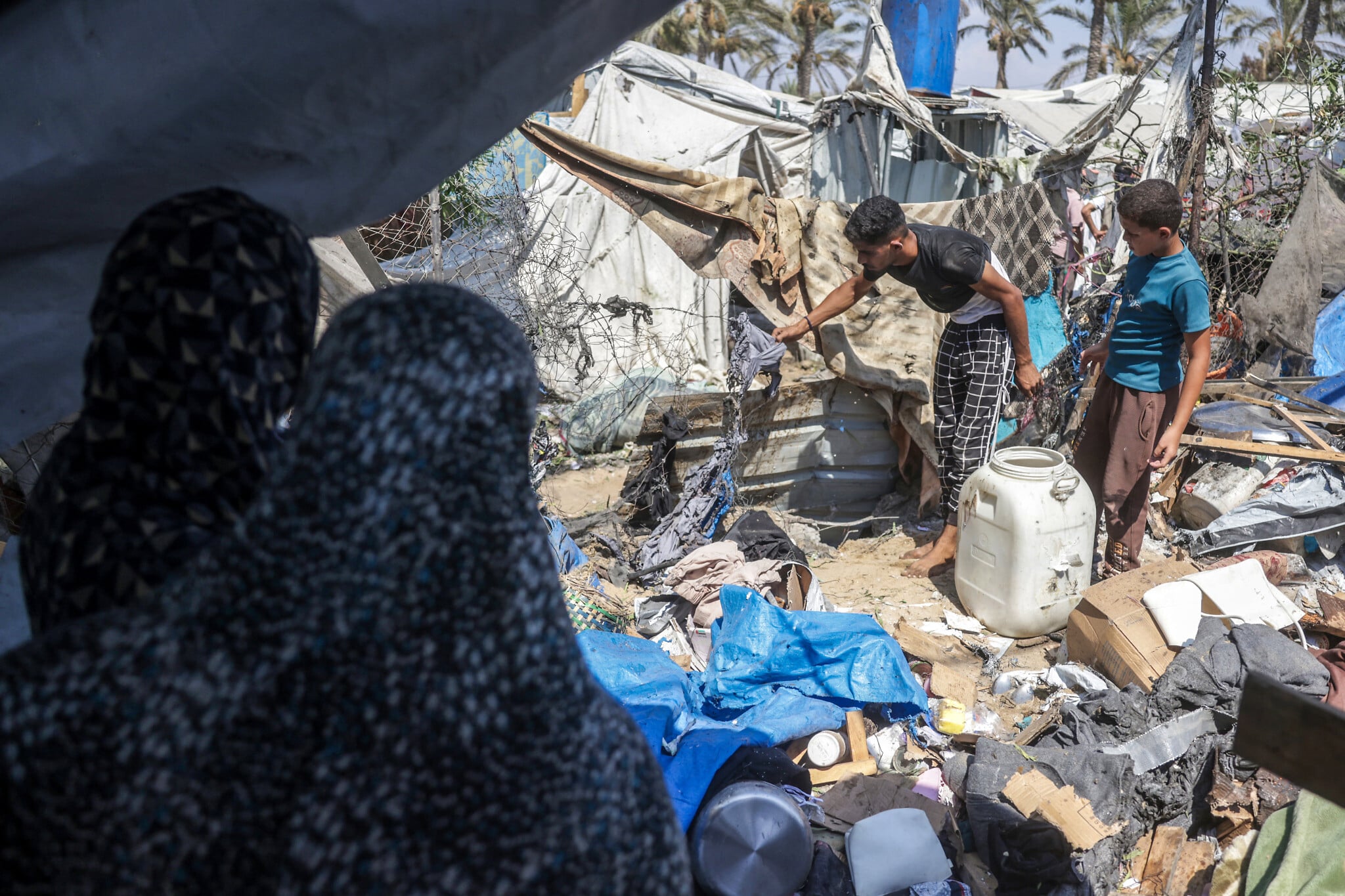
Moreover, the humanitarian situation in Gaza is dire. Blockades and military conflicts have led to severe economic strain, limited access to essential services, and ongoing tension between communities. International humanitarian organizations and local activists continually highlight the urgent need for aid and sustainable solutions to improve living conditions.
The Role of International Community
The role of the international community in the conflict cannot be overstated. Various countries and organizations have attempted to mediate between the two sides, but achieving a lasting peace remains elusive. The United Nations has passed numerous resolutions aimed at resolving the crisis, advocating for the recognition of both Palestinian and Israeli rights. However, ideological divides, regional politics, and changing priorities often hinder meaningful progress.
One prominent factor is the relationship between Israel and the United States, which has historically been a significant ally. U.S. policy in the region has influenced the direction of peace efforts. Recent normalization agreements between Israel and some Arab nations have also altered the landscape, introducing new dynamics into the equation.
Future Aspirations for Peace
Hope for a resolution remains, albeit amidst a challenging landscape. The two-state solution, envisioning independent Israeli and Palestinian states coexisting peacefully, is often cited as a viable pathway forward. However, achieving this vision necessitates compromise, dialogue, and sufficient political will from both parties. Grassroots movements advocating for peace and mutual understanding continue to emerge, promoting coexistence and collaboration among different communities.
In conclusion, understanding the Palestinian-Israeli conflict requires a multifaceted approach, acknowledging its historical depths and current realities. As both regions struggle to forge a path toward peace, the commitment from both local leaders and the international community will be essential in fostering understanding and cooperation, thus paving the way for a sustainable resolution.